


In recent months, companion robots have stopped being trade-show prototypes and have become objects that truly enter our homes. They speak, observe, react, and build a continuous presence within domestic space. They are defined as “companion” robots because they do not perform specific tasks—like making your bed or sweeping the floor—but instead participate in everyday life with a form of programmed attention that resembles, in an unsettlingly familiar way, human attention.
If voice assistants were voices without bodies and industrial robots were bodies without relationships, companion robots represent a different transition: machines designed to be interlocutors, housemates, presences with whom to share time. Here technology stops being merely functional and begins to become social and perhaps, for the first time, emotional.
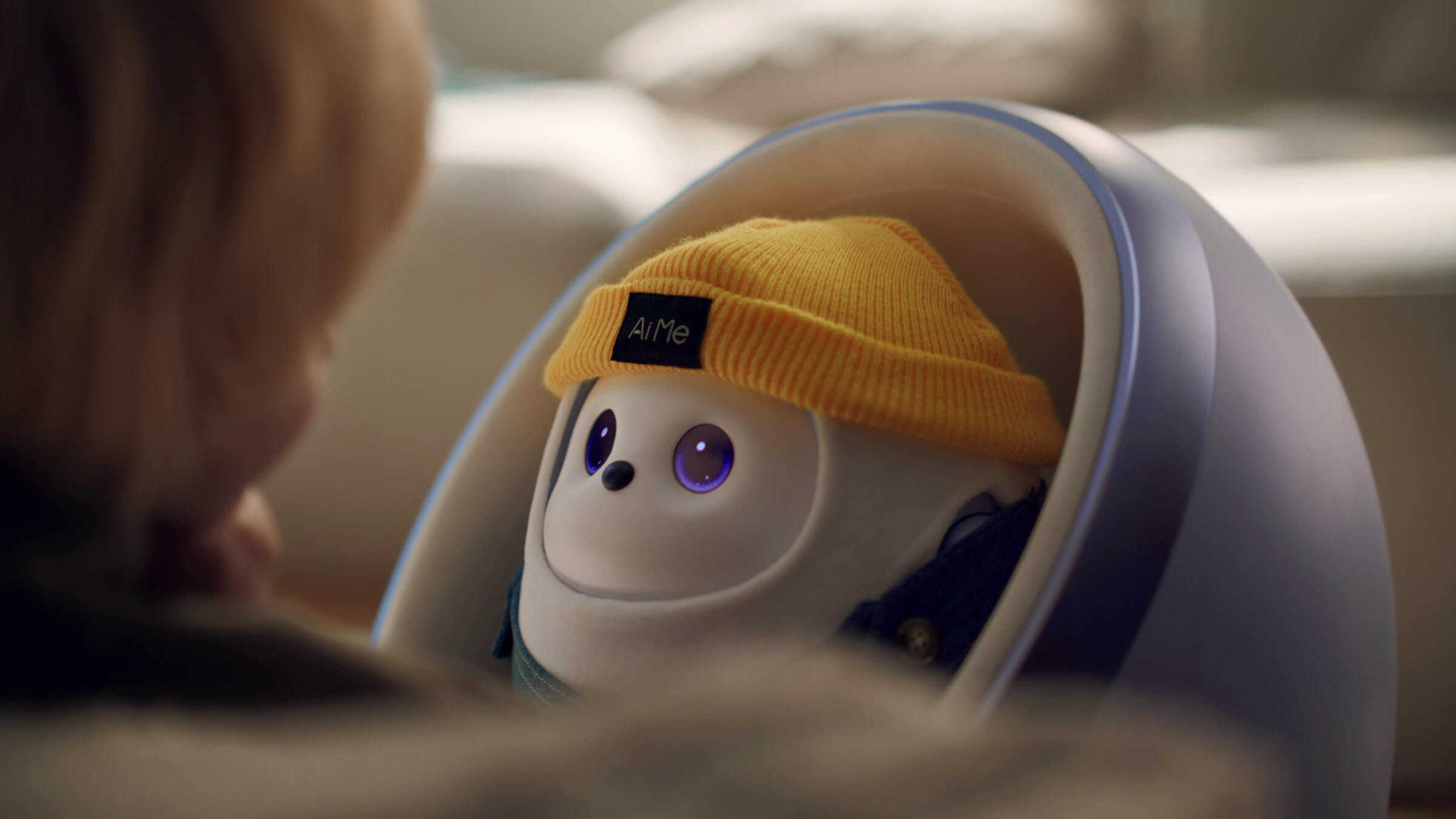
Last year, at CES 2025, TCL presented Ai Me, a modular robot designed to move among rooms, people, and daily habits. Ai Me observes the people it lives with, answers their questions, and in doing so builds a continuity of micro-dialogues that resemble a new form of familiarity. It is an object that behaves like an additional member of the household, with the ability to adapt to the rhythms of those around it.
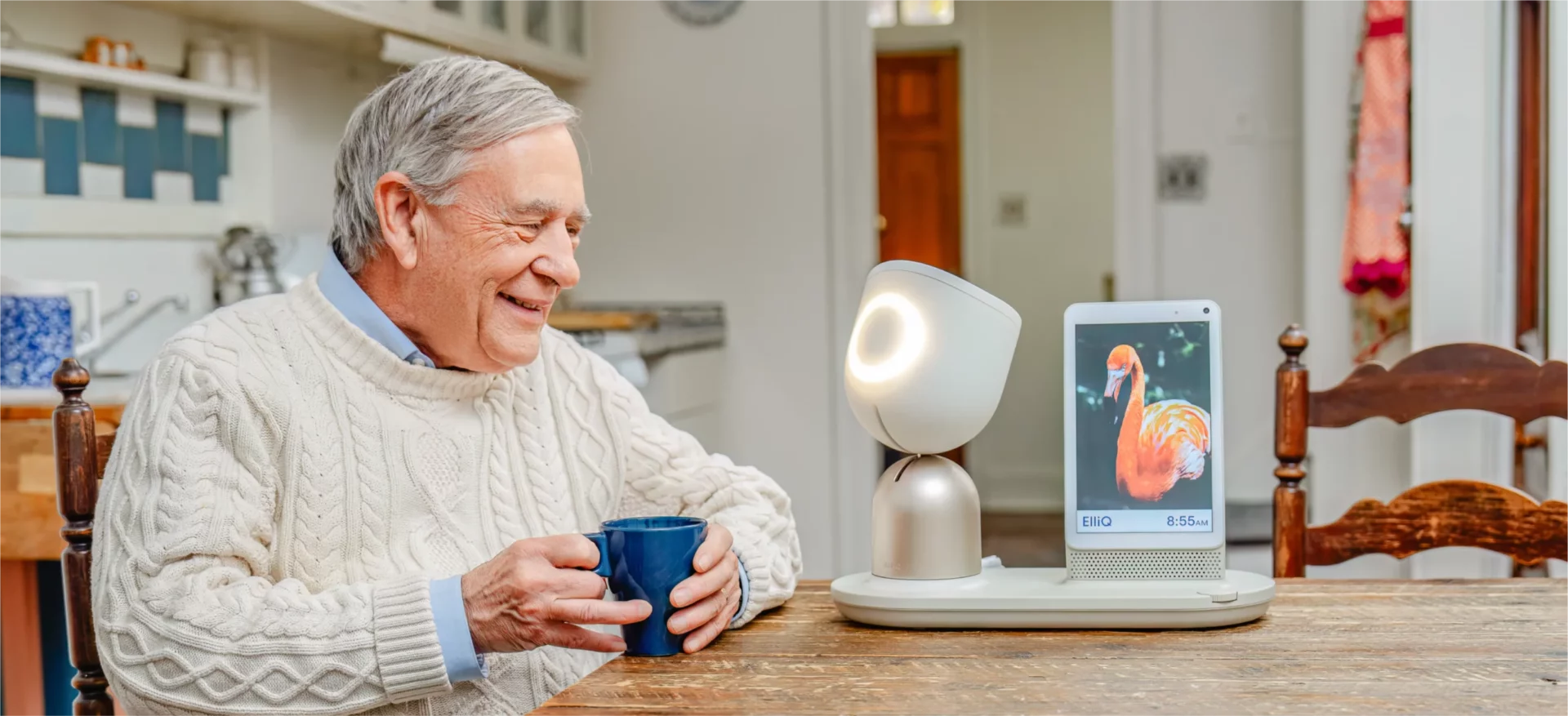
From that point on, more and more models based on the concept of companionship have been produced and introduced to the market. In the world of social robotics, ElliQ has become an emblematic case. Designed for older adults, it converses, suggests activities, reminds users of appointments, and facilitates contact with family and friends. Its presence creates a shared routine, a kind of common time between human and machine, where technology takes on the role of a stable interlocutor, similar to a kind of caregiver.
Alongside these examples, robot animals are emerging, such as the companion platforms developed by Elephant Robotics: metaCat, metaDog, metaPanda. These artificial creatures respond to touch, voice, and gestures. They reproduce affectionate behaviors with surprising precision, as if empathy could be translated into code and actuators.
So far, the picture seems clear: companion robots for humans, designed to inhabit our relationships, to accompany loneliness, to make everyday life more dialogic.
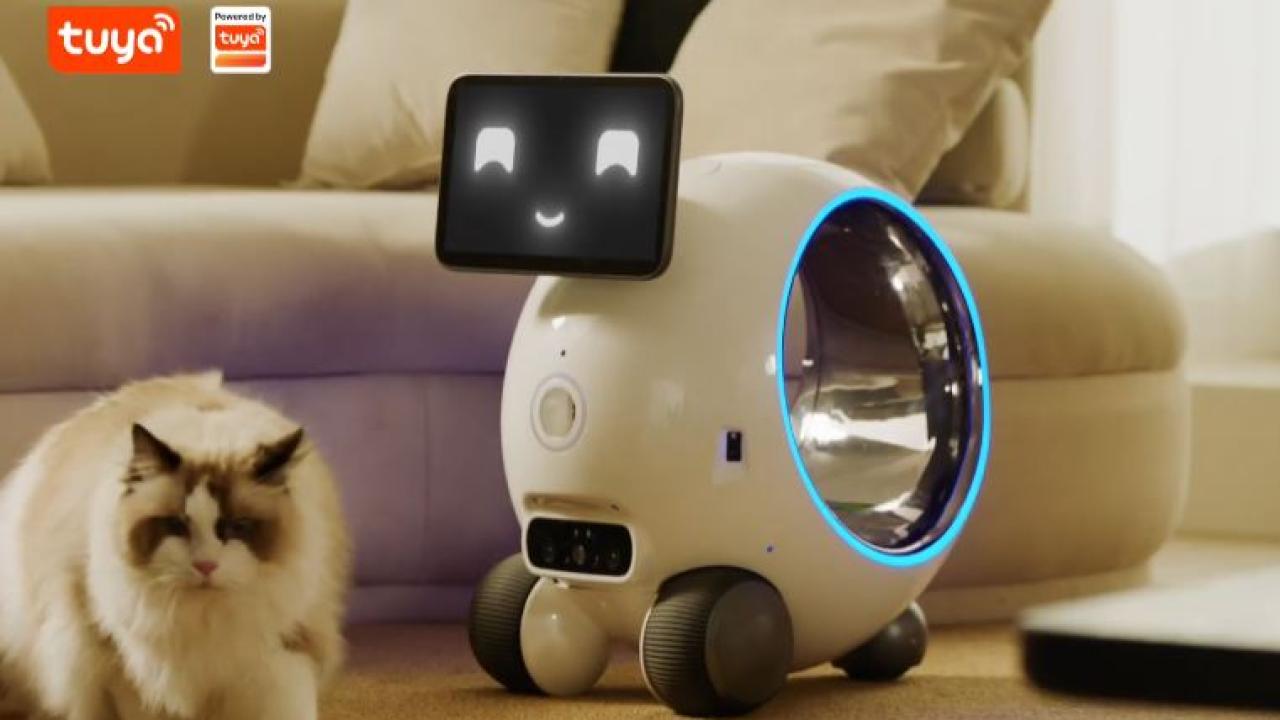
Then a detail arrives that shifts the perspective. Aura, Tuya’s robot presented at the recent CES 2026, is designed to keep pets company.
Aura interprets the behaviors of dogs and cats, plays with them, and signals emotional states and needs to humans. The home becomes an ecosystem of relationships mediated by algorithms, where the robot dialogues with the dog and translates the dog for the human.
At this point, the question changes shape. If there are companion robots for animals, then companion robots for human beings stop seeming like a curiosity. They become a logical, almost inevitable step.
Living with a companion robot means accepting a new grammar of coexistence. No longer objects that function, but presences that participate. No longer devices to switch on, but entities to consider. The robot does not love you, does not judge you, does not abandon you.
And here the phenomenon becomes revealing: perhaps we have never really known how to manage human relationships, and now we are experimenting with a more predictable, more stable, more programmable version. The companion robot does not replace someone. It introduces a new form of bond, with different rules and lower expectations.
Perhaps soon we will all learn to coexist with a different species, and perhaps the most interesting detail is that this species does not come from outer space, but from our own need for presence.
Niccolò Carradori