


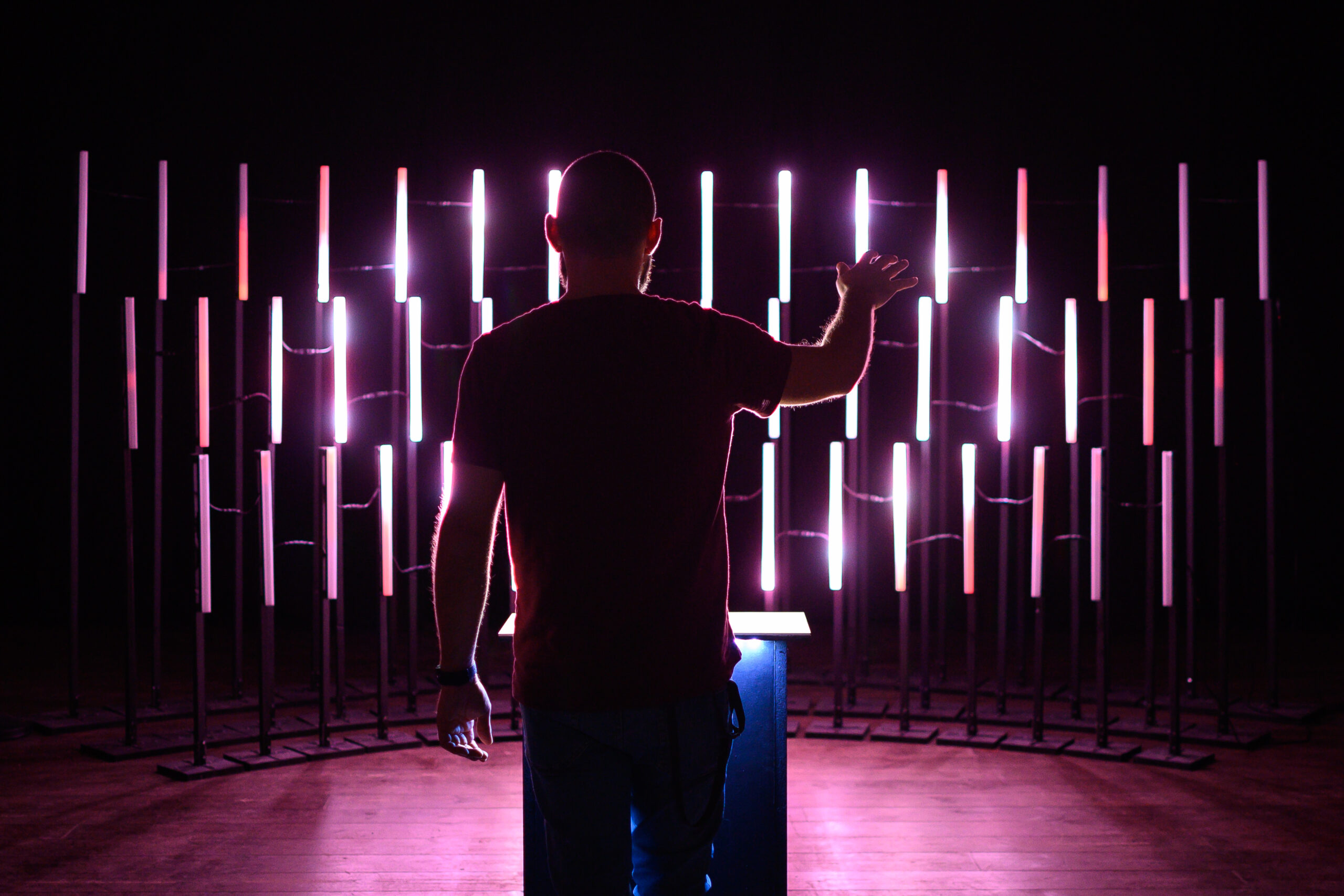
For three days, from April 17 to 19, Florence once again becomes a place where digital art, immersive culture, music, education, and professional innovation converge. Bright Festival unfolds across Stazione Leopolda, The Social Hub, and the Innovation Center of Fondazione CR Firenze with a program that brings together installations, workshops, talks, audiovisual performances, and networking. The 2026 edition is the festival’s sixth, part of a journey that over the years has built an international presence between Italy and Germany.
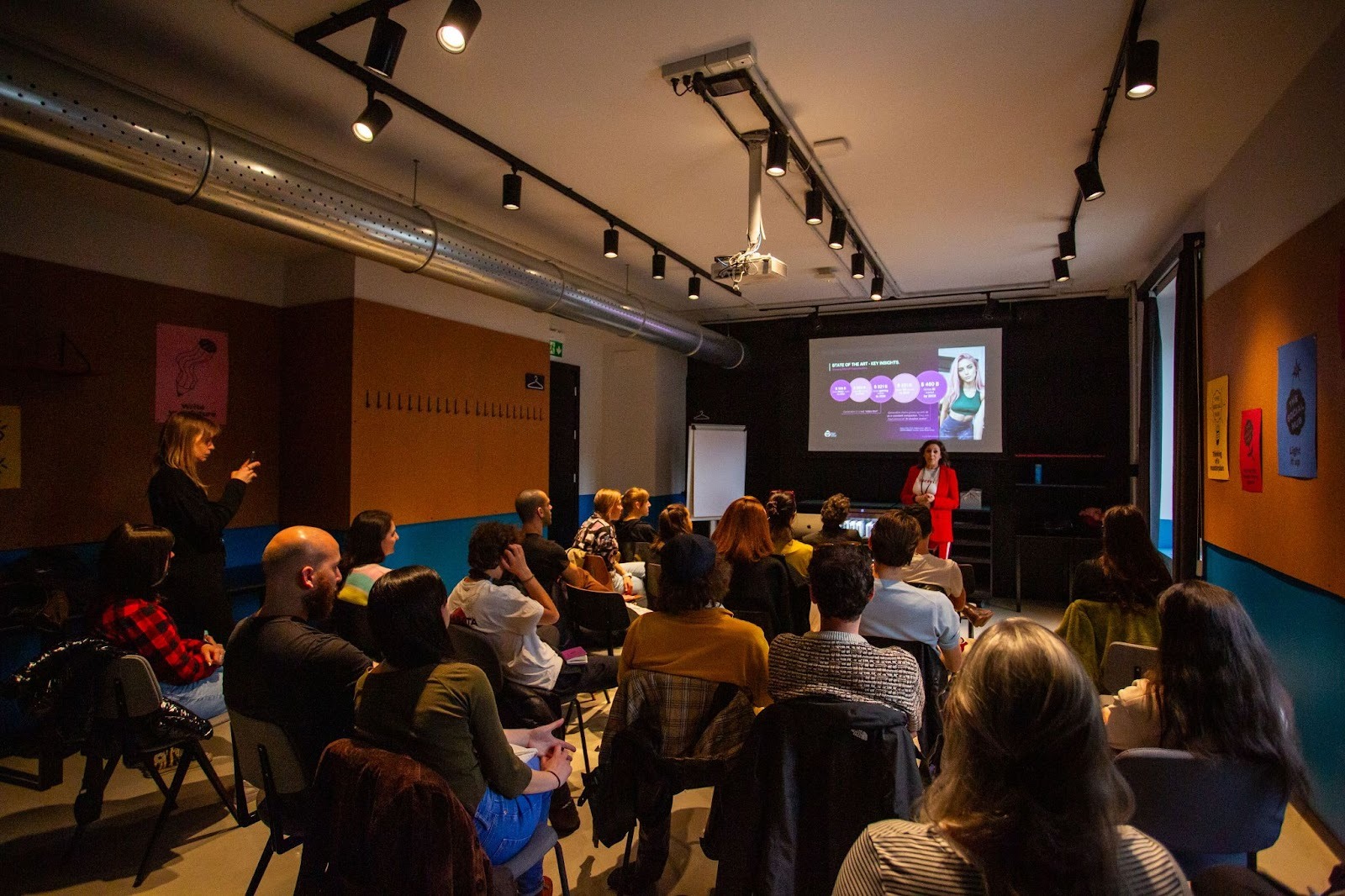
The point is that Bright does not simply line up a series of events. It tries to bring different audiences into the same conversation: people working in museums, cultural spaces, brands, audiovisual production, live events, design, and education, as well as those who want a closer look at how cultural experiences and entertainment are changing. In this sense, Bright Pro, scheduled for Friday, April 17 at the Innovation Center, is the key day for the festival’s professional side: an event designed for B2B meetings, structured networking, and exchanges with industry operators, institutions, creatives, and companies, with carefully curated access intended specifically to encourage meaningful dialogue and high-quality relationships.
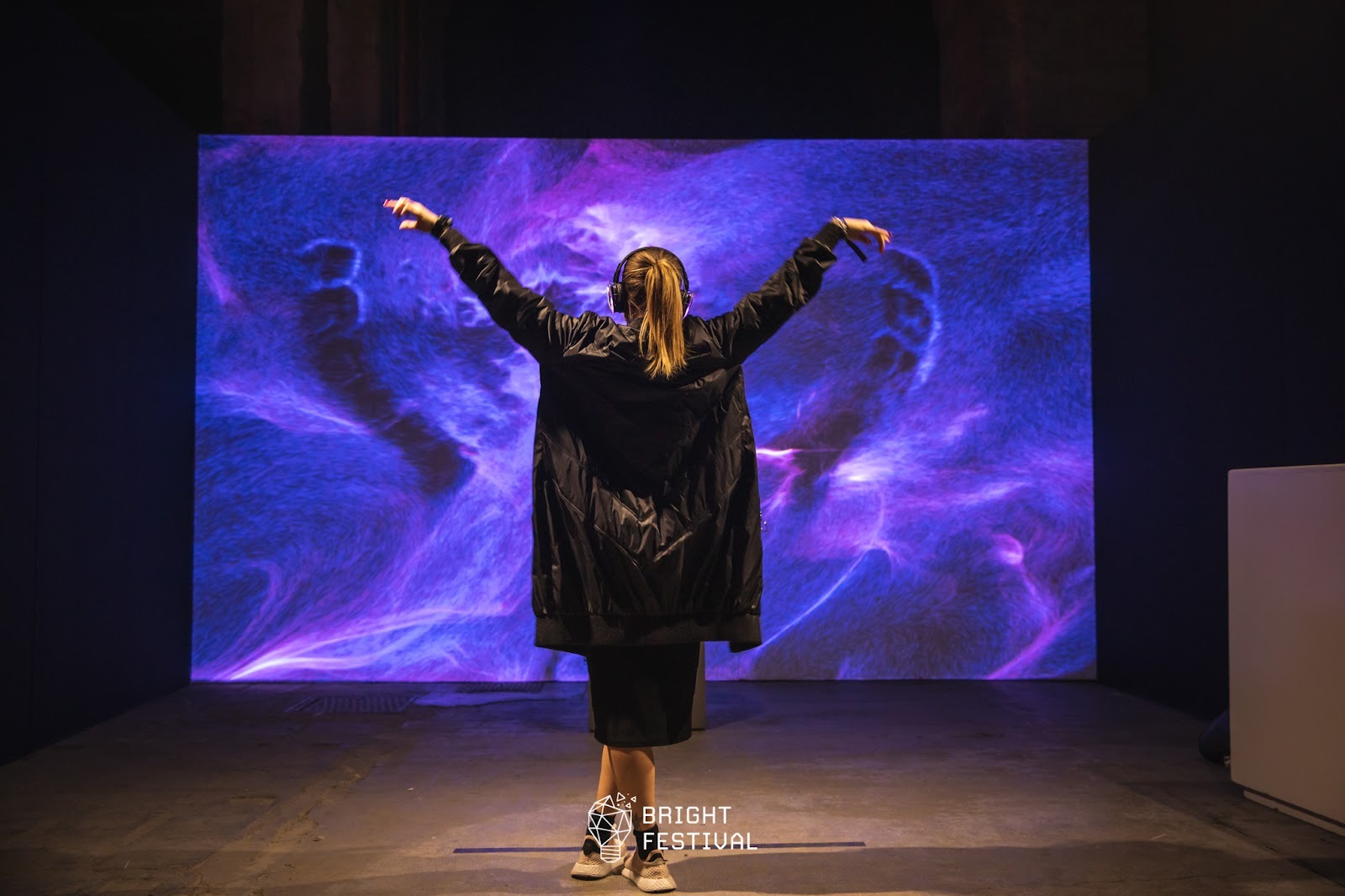
The theme chosen for 2026 is Experience Design: The Future of Audience Engagement. It is a formula that focuses on a very concrete question: what makes an experience truly memorable today? That applies to an exhibition, an immersive environment, a retail space, or a live event. “Experience design is the thread that ties together all the sections of the festival: a focus born from the desire to explore, through Bright, the relationship between digital creativity, technology, and emotion,” says creative director Claudio Caciolli. And even more clearly: “The Pro section stems from the need to connect a growing ecosystem: a space designed for networking, exchanging experiences, and gaining a better understanding of a still-emerging market.” This is where the festival shows its most tangible value for participants: not only listening to panels, but meeting international professionals, engaging with the makers of the creative industry, and understanding where languages, tools, and production models are headed.
The April 17 line-up should also be read in this light. Michael Mondria, managing director of Ars Electronica, brings the perspective of one of Europe’s most recognizable institutions in the field of digital culture. Maria Grazia Mattei, president of MEET Digital Culture Center, has worked for years on the relationship between cultural innovation and audiences. Alicia González, innovation manager at BVLGARI, opens up the brand and luxury experience angle. Francesco Dobrovich, creative director of Balloon Museum, touches on the theme of the exhibition as an immersive environment. Mattia Carretti of FUSE* connects artistic research, audiovisual practice, and space. Alongside them are Monica Bua, sales manager at Epson Italia, an important presence in a supply chain that brings together content and technical infrastructure, and Maddalena Calderoni, artistic director of Teatro Tones, who offers the perspective of a cultural project built on the relationship between landscape, performance, and technology. Completing the picture is Thomas Giegerich, managing director of Bright! Studios. The event will be moderated by Serena Tabacchi, director and co-founder of London’s Museum of Contemporary Digital Art.
The event’s supporters also help clearly define the space in which Bright Pro operates. Epson, the section’s main supporter for years, works on Pro AV video projection systems also used in theaters, concerts, large-scale events, and immersive environments. Stage Precision develops SP Grid, a platform designed for real-time control, connectivity, calibration, and automation in spaces, studios, and live events. Omnio, meanwhile, operates in the distribution of professional technologies for live entertainment, fixed installations, and broadcast. Their presence is not incidental: it directly shows that experience design is not only about ideas and content, but also about the tools that make a well-crafted experience possible.
The rest of the festival broadens this conversation and makes it accessible to different audiences. At Stazione Leopolda, Bright Art brings together interactive installations, audiovisual works, and immersive environments in which light, sound, data, and artificial intelligence become artistic material. At The Social Hub, Bright Edu offers three days of workshops, masterclasses, and talks on TouchDesigner, virtual reality, sound design, AI in creativity, 3D design, and experience design. Also on April 17, at the Innovation Center, Bright Tech opens another front, dedicated to the impact of artificial intelligence and digital infrastructure on society, businesses, and local areas. It is a program that does not draw overly rigid boundaries between profession, art, and learning: it connects them.
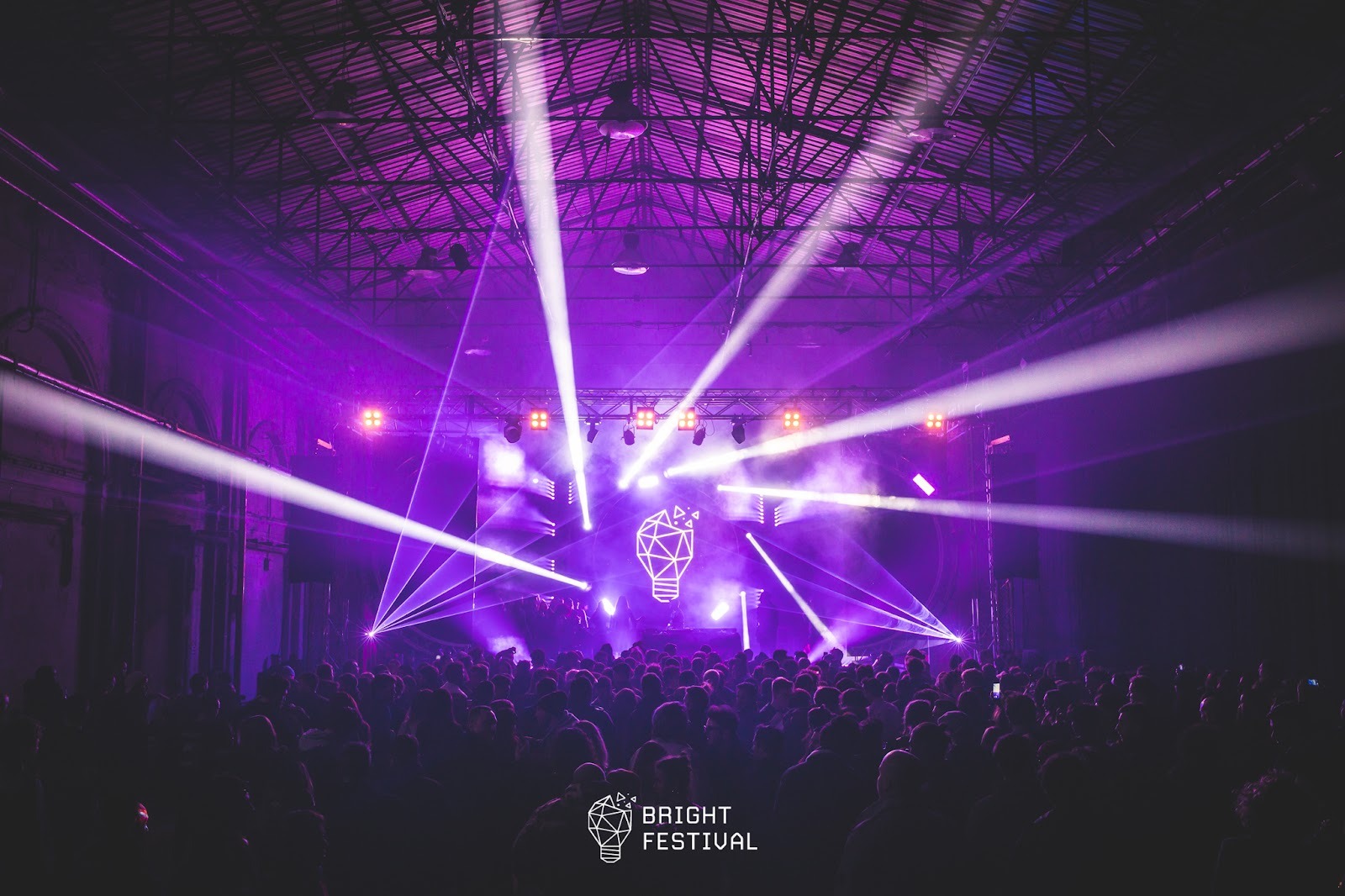
Bright Music, on April 18 at the Leopolda, also fits into this design. The electronic night featuring Stella Bossi, Undercatt, and Weg, together with lighting design by Aether Lab and visuals by Tommaso Cherubini and Francesco Taddeucci, is not a separate block but another way of thinking about the relationship between sound, image, stage, and audience presence. In the end, it is the same question that runs through the whole festival: how do you create an experience today that does not end with mere spectatorship, but becomes shared space, participation, and memory?
That is why Bright 2026 already makes sense now, even before opening its doors. Not only as a schedule of events, but as a place from which to read an ongoing shift. “Today Bright is increasingly becoming a promotional platform for new artistic, professional, and technological realities, capable of growing an ever broader and more aware community,” says Caciolli. It is a definition that captures its trajectory well: a festival, certainly, but also a meeting point where people can join the conversation about how we will experience installations, entertainment, education, and experience design in the coming years.
Redazione