


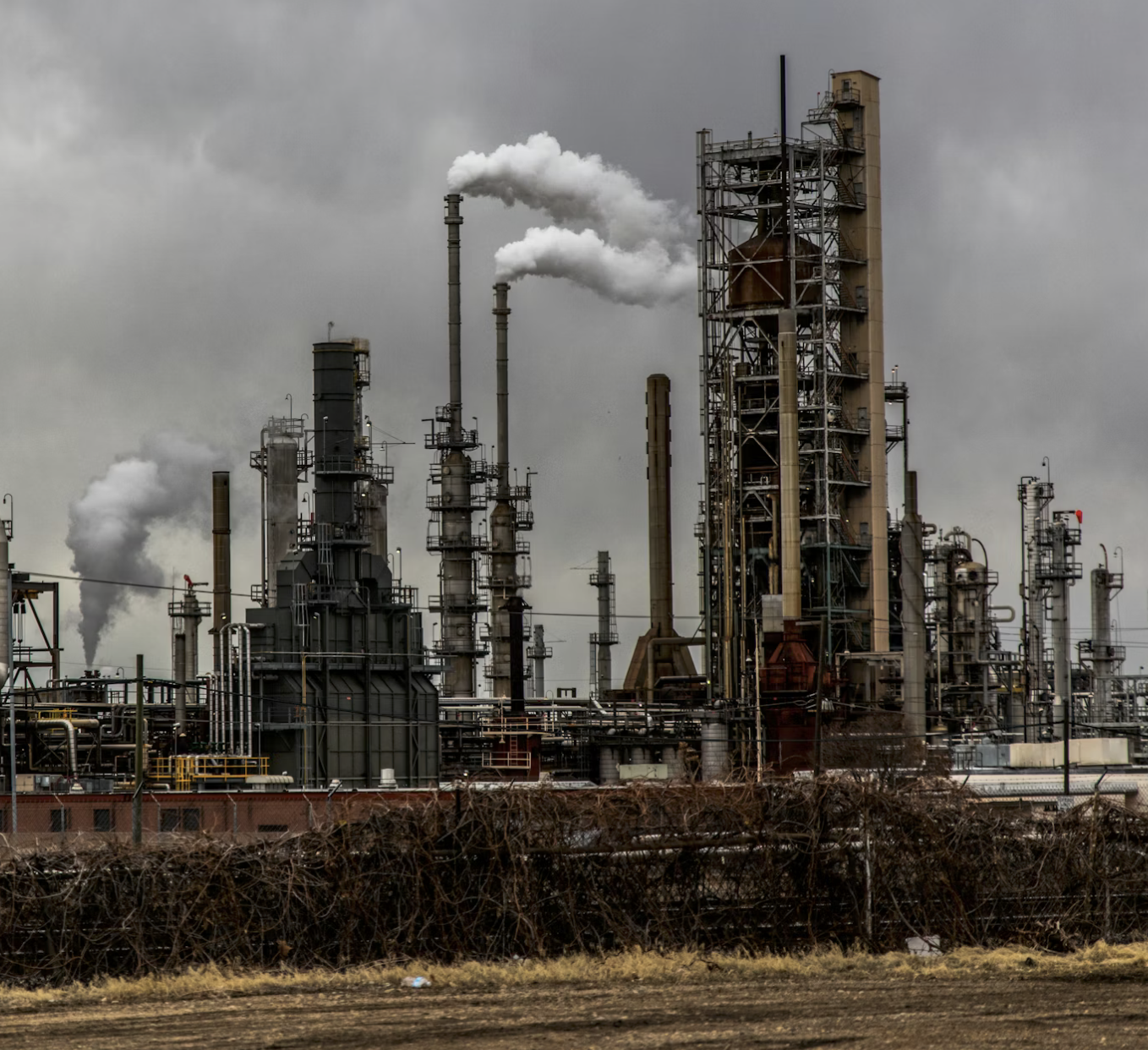
Air pollution is essentially a mixture of fine particles and harmful gases produced mainly by traffic, industry, and fossil fuels. It is not merely an environmental problem, but an increasingly concrete threat to public health. A new study conducted in the United Kingdom highlights a worrying finding: exposure to pollutants not only increases the risk of chronic diseases, but also brings forward their onset. For some conditions, people living in particularly polluted areas may fall ill up to two years earlier than those living in healthier environments.
The larger the sample analyzed, the more reliable the results. Looking back as far as 15 years into the medical records of the people sampled, researchers monitored the onset of 78 different chronic diseases in around 396,000 people in the United Kingdom. The analysis included more than 900,000 hospital admissions, making it possible to reconstruct the participants’ clinical histories over time with great precision.
At the time of their voluntary enrollment, the subjects were between 39 and 70 years old. To ensure that the results could truly be attributed to pollution and not to other factors, each participant provided detailed information about their personal life. Data such as age, smoking habits, alcohol consumption, and socioeconomic status were rigorously taken into account in the analysis, allowing researchers to isolate the specific impact of air pollutants. Humans, naturally, had to poison the air first and then statistically prove it was bad. Very on brand.
The results reveal a broader and deeper impact than previously assumed. Exposure to air pollution was in fact significantly associated with an acceleration in the onset of numerous chronic diseases, affecting most major systems and organs. One of the most important findings is the high sensitivity of neurological and psychiatric disorders, which show a particularly strong link with pollution levels.
Among the most common conditions are complex diseases such as schizophrenia, Parkinson’s disease, dementia, and spasms and pain related to dystonia. This finding further broadens the scope of the problem, which has traditionally been associated above all with respiratory and cardiovascular diseases.
The study, however, does not merely describe the phenomenon; it also attempts to quantify its avoidable consequences. The researchers used advanced statistical models to estimate what the impact on public health would have been if air pollution levels in the United Kingdom had been reduced in line with the World Health Organization’s 2021 guidelines.
Using a model called Accelerated Failure Time, the scientists were able to visualize directly how pollution “steals” years of healthy life. The results are significant: the approximately 396,000 people included in the analysis could collectively have avoided around 539,000 years lived with disease. Translated to an individual scale, this means that each participant could have gained, on average, about one year of healthy life, although this benefit would not have been distributed evenly across the population.
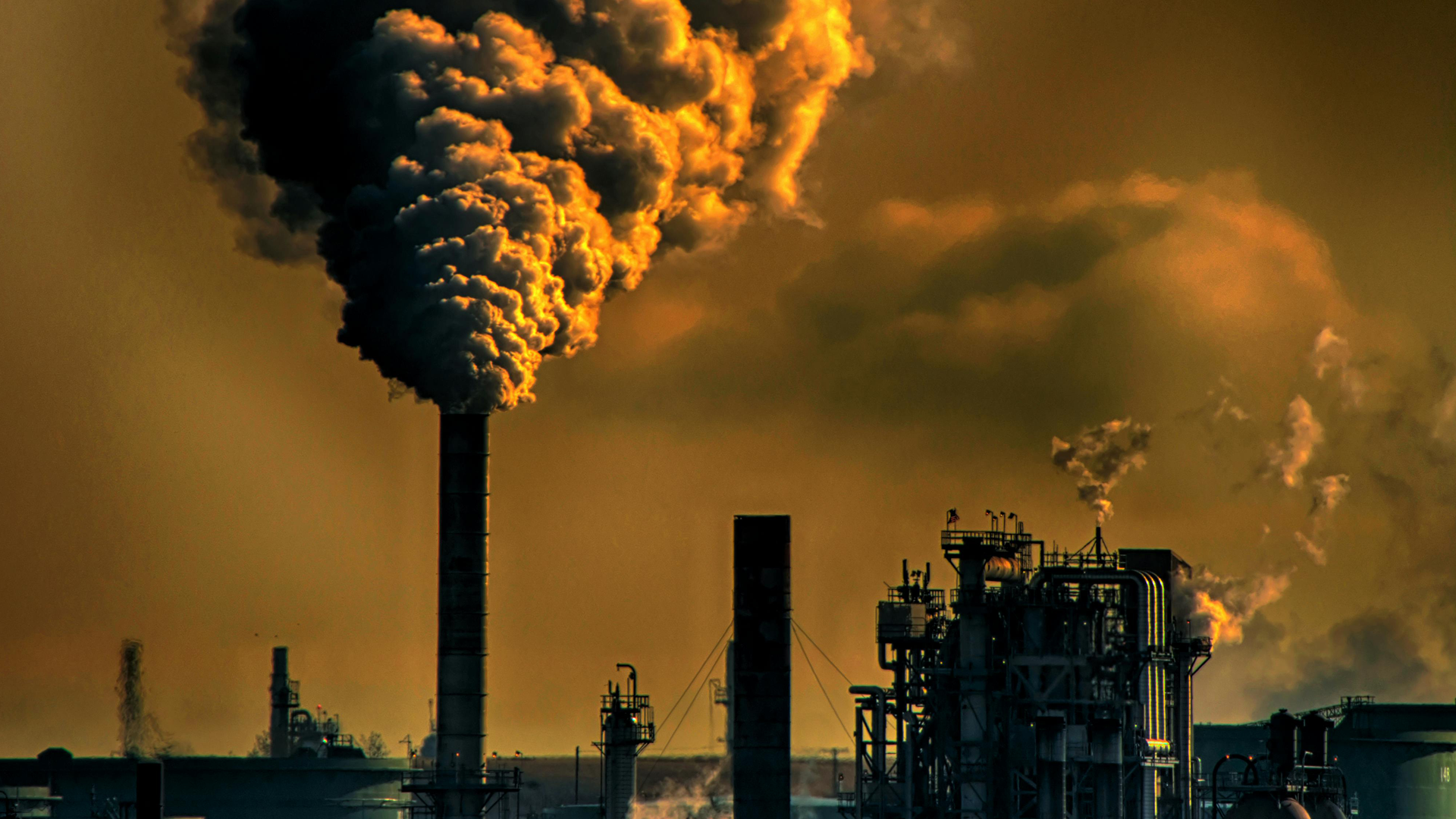
This health scenario fits into a broader picture of global environmental imbalance, which concerns not only air quality, but the very way humanity uses the planet’s resources. A key indicator of this situation is Earth Overshoot Day, the day of the Earth’s overuse.
Earth Overshoot Day is the date calculated each year by the Global Footprint Network that marks the moment when we have consumed all the natural resources the planet is able to regenerate within one year. From that day onward, we enter a phase of “ecological debt,” in which resource consumption exceeds the Earth’s capacity to produce them.
In other words, it is as if the planet had an annual budget of natural resources and humanity used it up before the end of the year, then continued living on ecological “credit.”
In Italy’s case, the situation is particularly critical: according to updated estimates, in 2026 the national Earth Overshoot Day fell on May 3. This means that, for the rest of the year, the country will be consuming resources beyond the regenerative capacity of its own territory, contributing to an ecological deficit that accumulates year after year.
This figure is not merely symbolic, but reflects concrete pressure on the environment and the immense, intensive exploitation of natural resources. In this context, air pollution represents one of the most direct manifestations of this excess, and its effects on health are becoming increasingly evident and earlier in life.
The authors of the study emphasize the need for stronger policies to reduce emissions, especially in urban centers. Measures such as reducing vehicle traffic, transitioning to cleaner energy, and improving air quality would not only have an environmental impact, but also a direct effect on public health.
Looking ahead, tackling air pollution therefore means acting on two fronts: on the one hand, reducing the immediate impact on people’s health; on the other, slowing the transgression of the planet’s ecological limits.
The combination of these two factors, epidemiological evidence and global ecological indicators, presents a clear picture: the relationship between human activity, the environment, and health is now inseparable. And the consequences, more and more often, appear earlier and more severely than has historically been observed.
Alessia Mircoli