


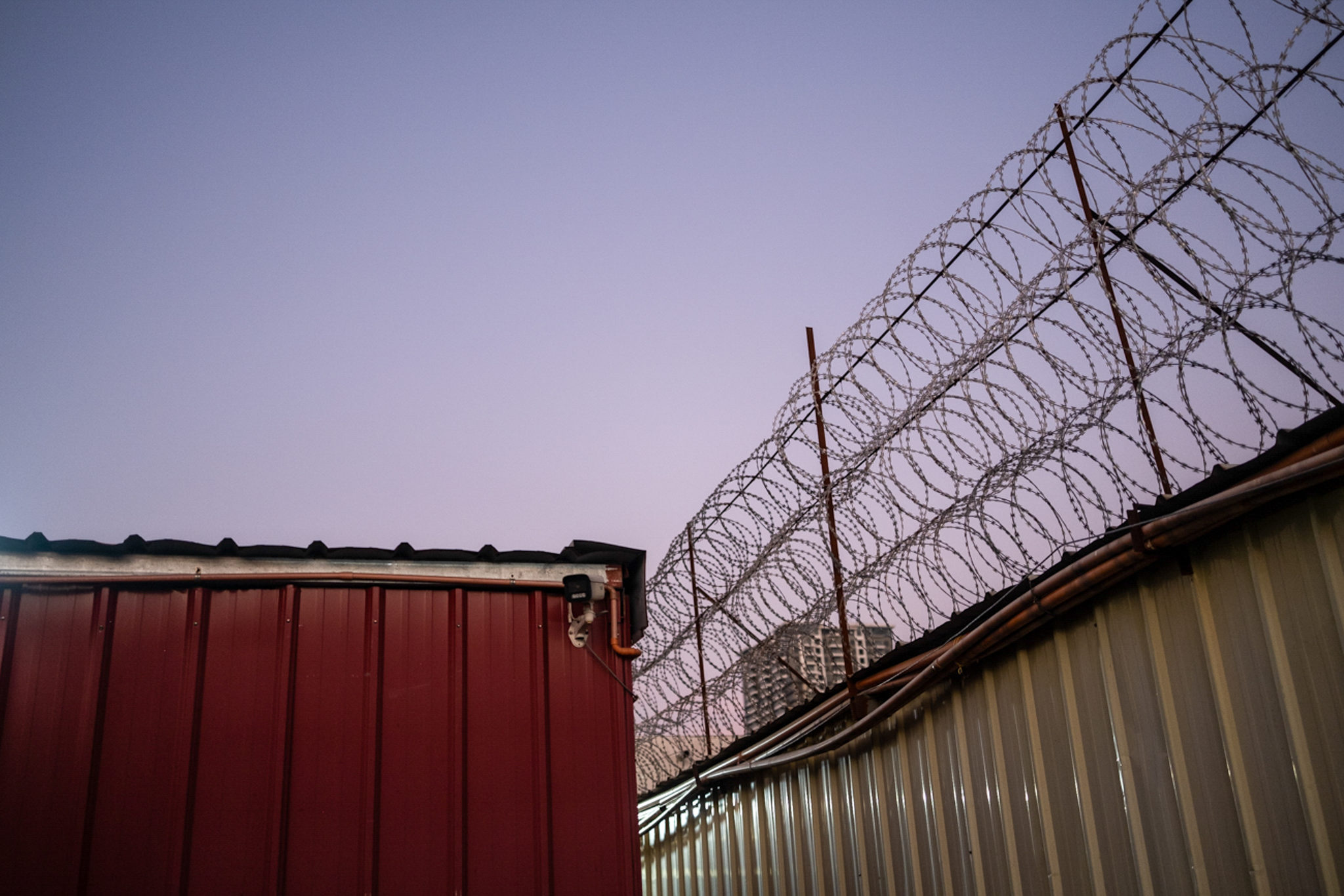
Networks of digital slavery are expanding across Southeast Asia, trapping young job seekers in brutal compounds that fuel the global cyber-criminal industry.
Imagine responding to an online job offer: “International call center, excellent pay, flexible work in Asia.” You’re excited, you update your résumé, you leave. But once you arrive, you discover there is neither flexibility nor the promised salary. Your passport is taken, you are locked inside a compound, forced to work 12–14 hours a day in front of a screen, contacting unsuspecting victims to lure them into fraudulent investments or romance blackmail schemes.
Even innovation, at times, bends to the oldest patterns: if artificial intelligence can “steal” our jobs, it doesn’t appear to threaten forced labor.
Cyber-slavery is a form of forced exploitation that combines human trafficking and cybercrime. Victims are recruited through deceptive promises — a regular job, a salary above the local average — and then transported to centers where they must carry out digital fraud: romance scams, phishing, cryptocurrency-related schemes, or criminal call-center operations. Technological tools are central: fake profiles, crypto platforms, automation software, and social engineering.
The trap is often well disguised. Workers travel with tourist visas arranged by local intermediaries, so their departure doesn’t arouse suspicion. Immigration authorities rarely intervene because the documents and bookings appear legitimate. Once the victims arrive, however, their passports are confiscated and constant surveillance begins.
Among the most common tactics are physical or psychological threats, punishments for failing to meet profit “targets,” and exhausting work shifts.

Cyber-slavery is a relatively recent phenomenon, but it has found fertile ground in Southeast Asia. According to a United Nations report published in April 2024, the region is now the main epicenter of global online scams. With the acceleration of digitalization after the pandemic, fraud has surged as well.
In many Asian countries, remittances from migrant workers make up a significant share of GDP: 5% in Bangladesh, 9% in the Philippines, up to 25% in Nepal. For those living in poverty or precarious conditions, an “office job” in the tech sector may seem like a golden opportunity.
But this very economic vulnerability fuels recruitment. The ideal victims are young people with basic digital skills and at least an elementary knowledge of English.
Most people are not kidnapped; they are lured voluntarily through ads on Facebook, Instagram, or messaging apps such as WhatsApp and Telegram. The ads promise salaries between $1,000 and $1,500 per month for vaguely defined roles such as translator, customer assistant, or international operator. Fake company logos, staged interviews, and polished contract offers all help make the illusion believable.
Only after arrival does the truth emerge: isolated compounds, no freedom of movement, and inhumane working conditions. Without documents or money, victims are confronted with a choice: accept the job or die.
Escape is almost impossible without outside help. In February 2024, for instance, an armed group in Myanmar freed 260 people of 19 different nationalities trapped in industrial-scale scam centers.

Since the start of the pandemic, the complexes in which victims are confined have multiplied throughout Asia, often repurposing old, abandoned casino zones, especially in China and Cambodia.
A 2024 report by the United States Institute of Peace estimates that cyber scams generate $12.5 billion in profits in Cambodia, $15.3 billion in Myanmar, and $10.9 billion in Laos — nearly 40% of the combined GDP of these three countries.
Victims from Nepal, Bangladesh, and the Philippines are among the most vulnerable: poverty, the lack of well-paid jobs, and heavy reliance on remittances create a perfect pool for traffickers.
The nature of the Internet itself complicates any intervention. Criminal organizations operate in one country, recruit in another, and target victims all over the world. Crimes such as ransom payments in cryptocurrency escape traditional legal frameworks and the territorial competence of courts.
In the eighteen months preceding April 2024, Nepal’s Human Trafficking Investigation Bureau recorded 16 cases of digital slavery and arrested 25 people, including three Chinese nationals. Yet prosecution remains complex, due to the challenges related to international jurisdiction and the transnational nature of the phenomenon.
Cyber-slavery is the new frontier of human exploitation: invisible, globalized, and perfectly integrated into the contemporary technological fabric. It demonstrates that even in the age of digital labor, vulnerability remains a resource for criminals.
China scholar and photographer. After graduating in Chinese language from Ca’ Foscari University in Venice, Camilla lived in China from 2016 to 2020. In 2017, she began a master’s degree in Art History at the China Academy of Art in Hangzhou, taking an interest in archaeology and graduating in 2021 with a thesis on the Buddhist iconography of the Mogao caves in Dunhuang. Combining her passion for art and photography with the study of contemporary Chinese society, Camilla collaborates with several magazines and edits the Chinoiserie column for China Files.