


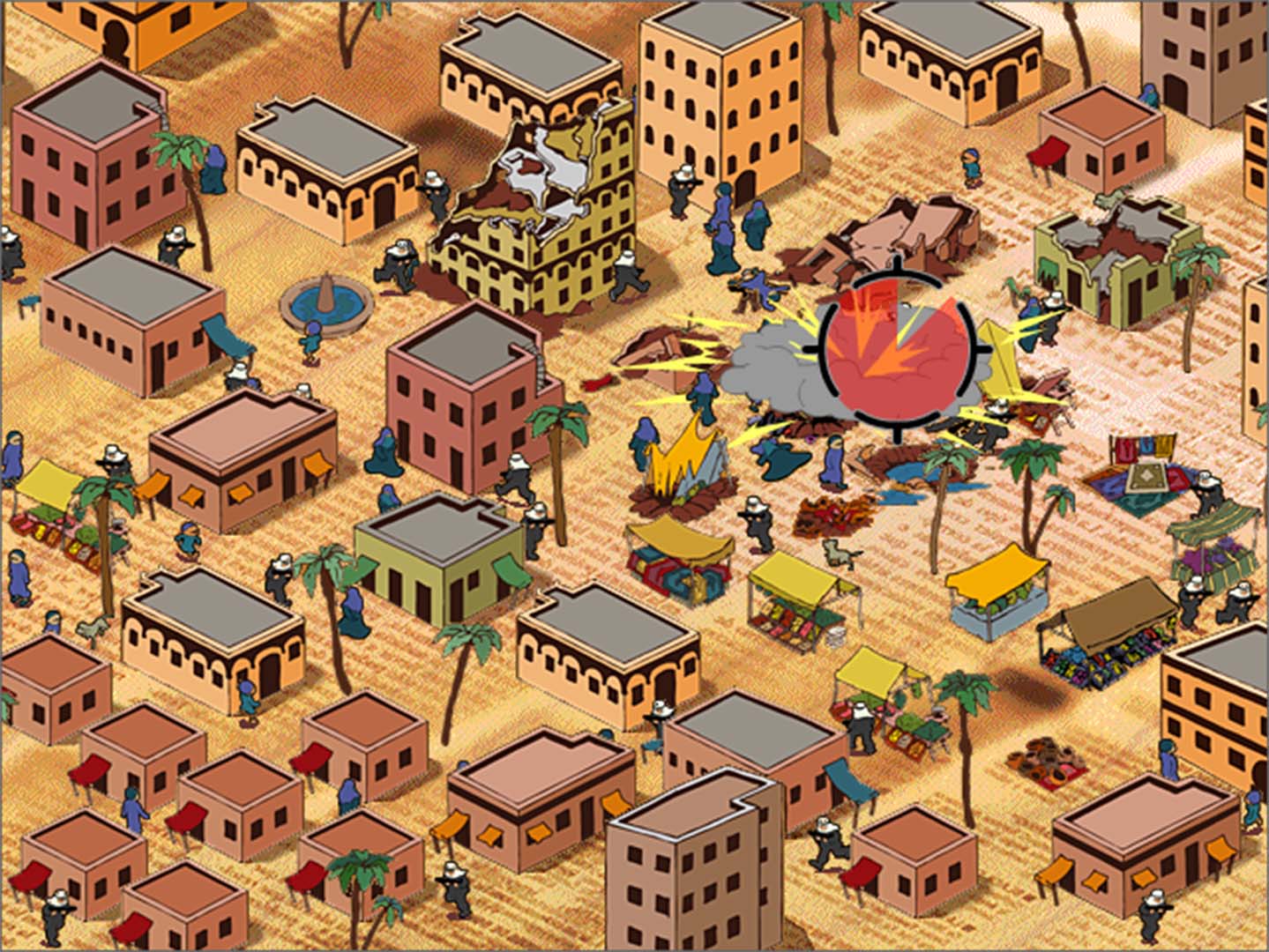
In August 2024, the Ukrainian armed forces implemented a points-based system to reward the downing of Russian targets using drones, unmanned aerial vehicles (UAVs) usually operated remotely. By April 2025, a platform had also been introduced on which units could exchange the points earned for drones and other equipment. How drones and video-game techniques are coming together in Ukraines war, was the headline in The Economist.
This gamification of war serves to motivate the troopswho compete in a rankingand to optimize resources by rewarding the best units and making priorities explicit through a points system that shifts with the evolution of the conflict. It is a mathematics of war, said Deputy Prime Minister Mykhailo Fedorov. A data-driven approach made possible by the near-constant surveillance provided by drone cameras. And at least since BIT Plane (1997) by Kate Rich and Natalie Jeremijenko (then part of the Bureau of Inverse Technology), art has been engaging with the scopic regime of the drone, often emphasizing precisely the resemblance between its military application and videogames. For example, in Killbox (2015) by Malath Abbas, Tom deMajo, Albert Elwin, and Joseph DeLappe.
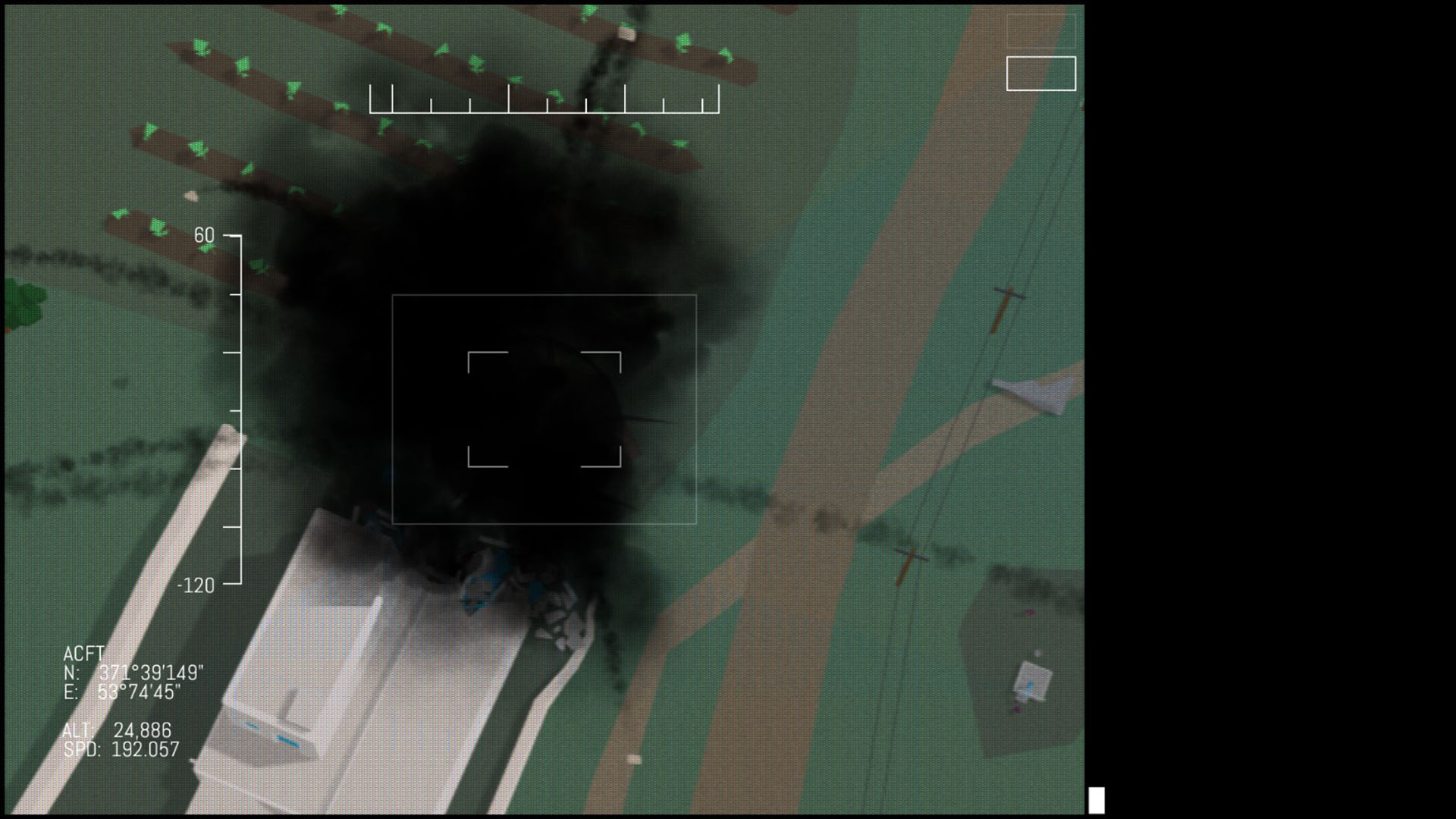
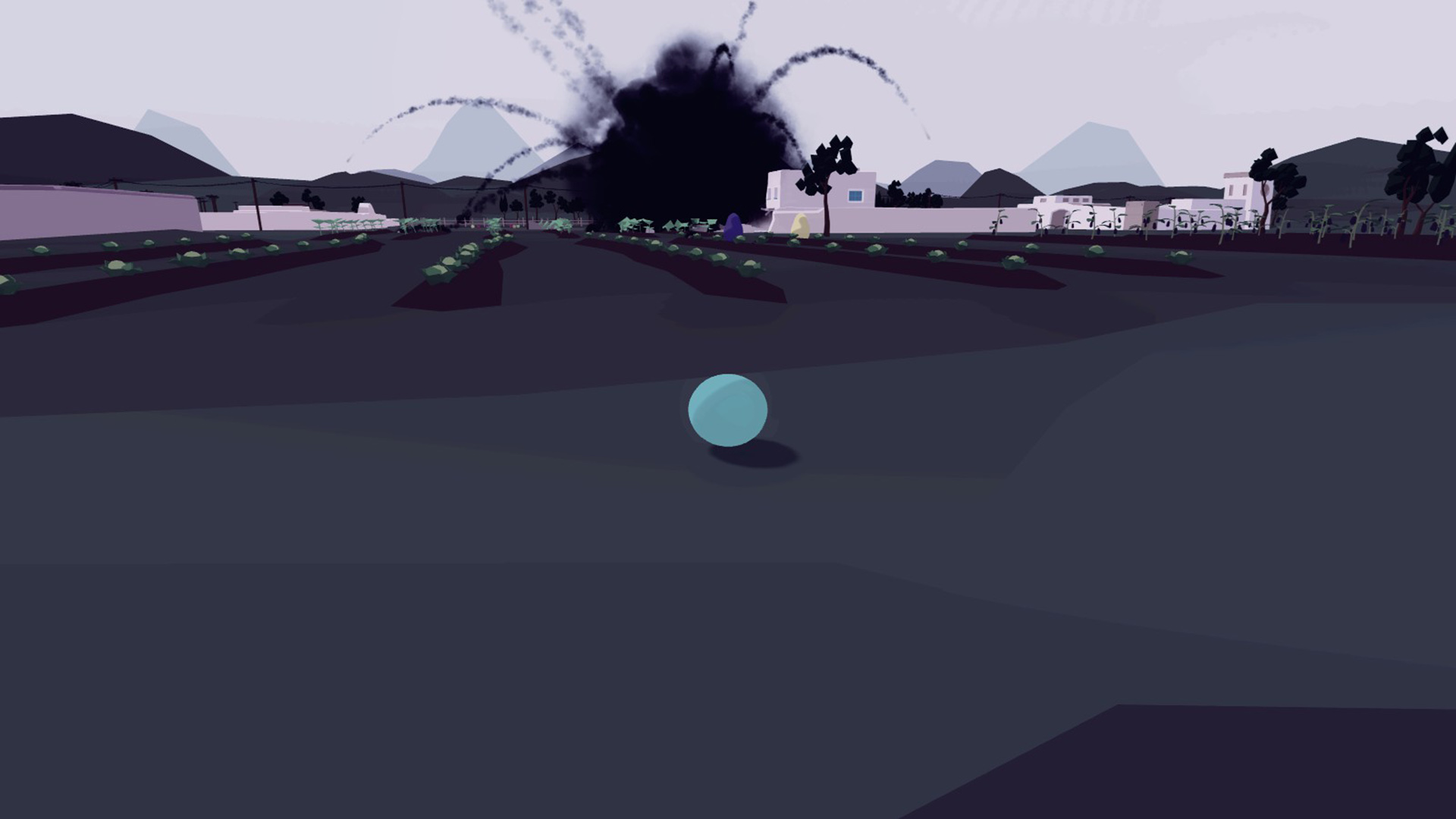
Attempts to simulate and predict wars have always collided with the chaos of the physical world, and above all with the human factor. The drone distances the human being from the battlefield, yet those who operate such devices continue to suffer severe psychological consequences. The videogame Unmanned (Paolo Molleindustria Pedercini, Jim Munroe, Jesse Stiles, 2012) narrates the day of a military drone operator through minigames ranging from shaving in the morning to killing a target, showing how porous the boundary is between the virtual and the physical, between play and everyday life. Today, efforts are therefore focused on the development of AI-driven drones, to make war increasingly resemble its computational model.
Matteo Lupetti writes about art criticism, digital art and video games in publications such as Artribune and Il Manifesto and abroad. He has been on the editorial board of the radical magazine menelique and the artistic direction of the reality narrations festival Cretecon. His first book is UDO. Guida ai videogiochi nellAntropocene (Nuove Sido, Genoa, 2023), a reinterpretation of the video game medium in the age of climate change and within the new multidisciplinary paths that foreground the non-human and its agency.