


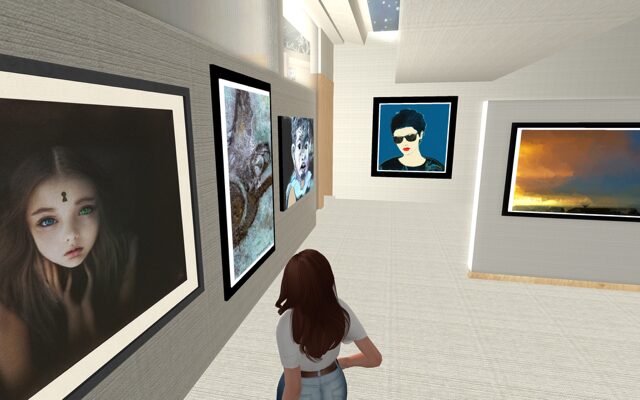
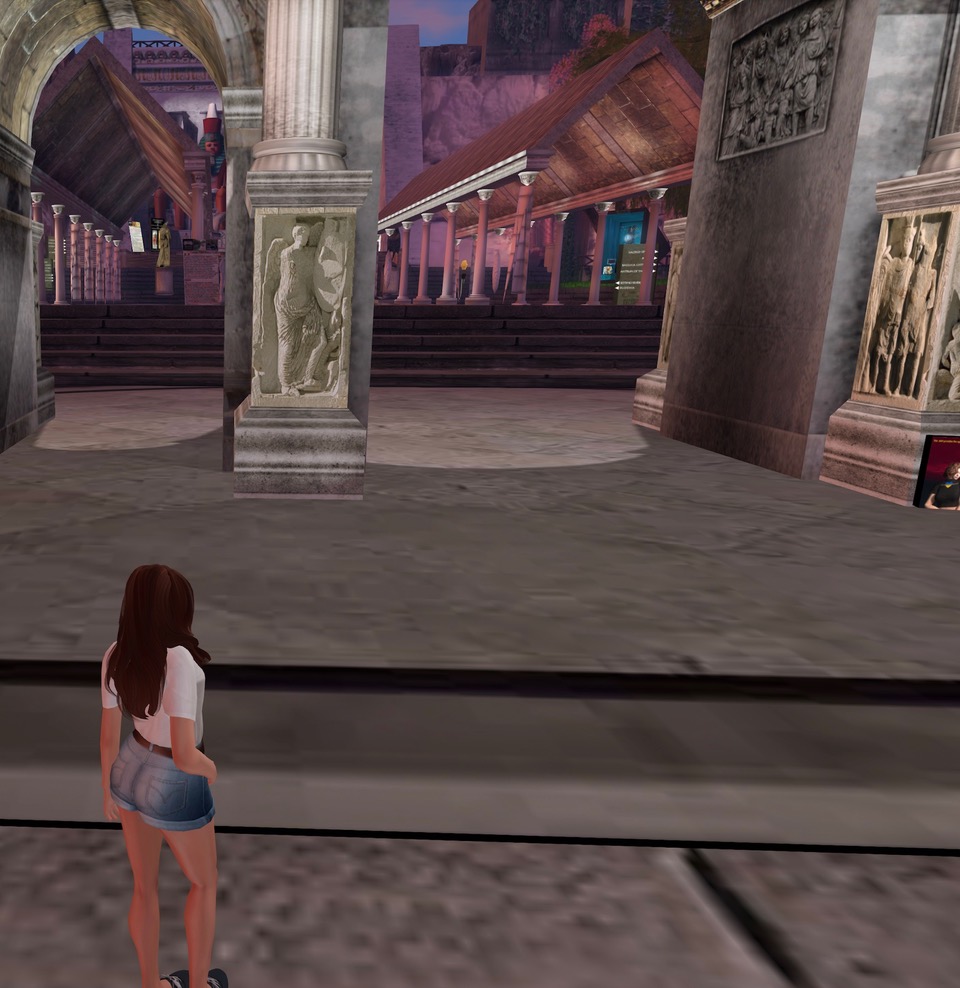
Quantum Leap is a new programme where past and future meet in a journey through art, technology and innovation. From ELIZA to ChatGPT, from Duchamp to Klingemann, from Klee to Nake; we will explore together how yesterday’s innovations are shaping tomorrow. A dialogue between human creativity and digital tools, from virtual reality to synthetic landscapes, redefining the boundaries of the possible. An appointment for those who want to understand the future through the processes that build it.
In the 1980s, games like Ultima IV (1985) introduced the concept of virtual identity. The term avatar took on its current meaning in 1986, thanks in part to games like Habitat, one of the first “online multiplayer virtual environments” created by Lucasfilm. To distinguish players, the avatar was introduced, which players controlled using a joystick.
In the 1990s and 2000s, MMORPGs like World of Warcraft solidified the concept, while Snow Crash (1992) foreshadowed the metaverse as we understand it today. In early multiplayer games, the avatar was often a character with predefined traits; in metaverses, it became a more faithful extension of the user’s identity. With the advent of platforms like Second Life, it fully assumed the role of a digital twin, an alter ego exploring virtual worlds in search of experiences and connections.
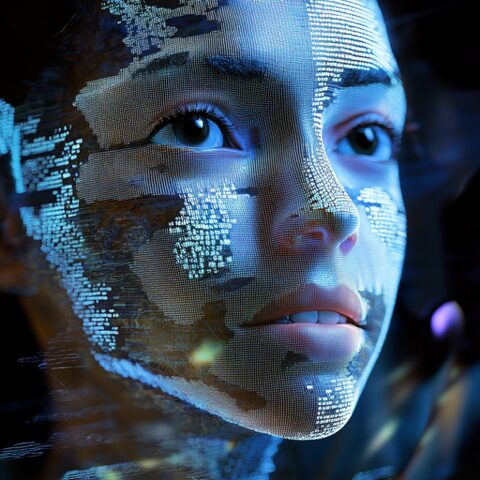

Whether it is a journalist’s avatar reporting news, a digital Leonardo da Vinci explaining art, or an employee attending meetings in the metaverse, today the avatar is increasingly a tool for expression and interaction. Platforms like Synthesia and Replika make it easy to create AI-powered avatars for increasingly customizable videos, marking a step toward a future where humans and avatars coexist in digital communication. Artificial Intelligence has also given rise to Virtual Influencers such as Lil Miquela and Liam Nikuro. But can we really call them avatars? No, because they are virtual identities designed to be increasingly autonomous through customizable chatbots. The debate is open and includes important ethical considerations.
Today, avatars are no longer just simple digital icons but dynamic representations of our identity. With the growing interconnection between AI and VR, the concept of avatars will continue to evolve, redefining the boundaries between the real and the digital.
Rebecca Pedrazzi is an art historian and critic specialised in AI Art, curator and journalist. Born in Milan, she graduated in Art History and Criticism at the University of Milan with the thesis ‘Il Mercato dell’Arte Contemporanea’ (The Contemporary Art Market) and began working as an Art-Advisor in an art management company, also developing an in-depth knowledge of Old-Masters. In 2017 he founded the online art and culture magazine NotiziArte.com, and in 2018 he became a freelance journalist. Since then he has written more than 3,500 articles on national and international art and culture events, now with a targeted focus on the most current topics of the latest technologies applied to the art world. In 2021, he published the book ‘Possible Futures. Art Scenarios and Artificial Intelligence’ – Publisher Jaca Book. She currently lectures for courses and masters on AI and the world of Art and is active, on the educational side, with publications, conferences and dedicated webinars. She has collaborated with various organisations such as VAR Digital Art for the VDA Award, and with CINECA for the GRIN S+T+ARTS Residencies project. She is a member of the Gallery Climate Coalition (GCC) and collaborates with the Neuromarketing and Metaverse Department AINEM and the European project PERCEIVE. She co-curated the exhibition ‘L’opera d’arte nell’epoca dell’Intelligenza Artificiale’ – Parma, Palazzo Pigorini, the first collective exhibition dedicated to Italian AI Art. In 2024 she worked in the Artificial Intelligence Observatory team at the European Institute of Design (IED) where she currently teaches ‘Phenomenology of Contemporary Arts’.