


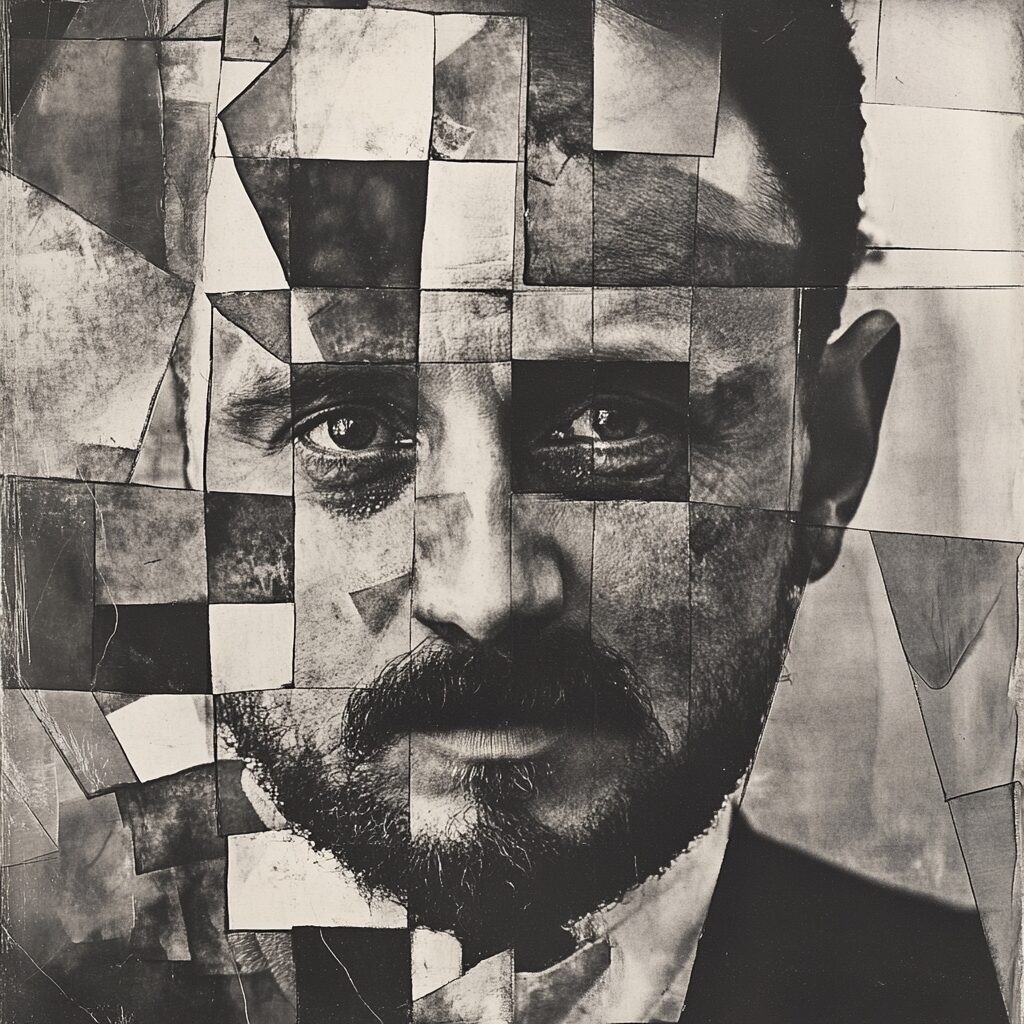
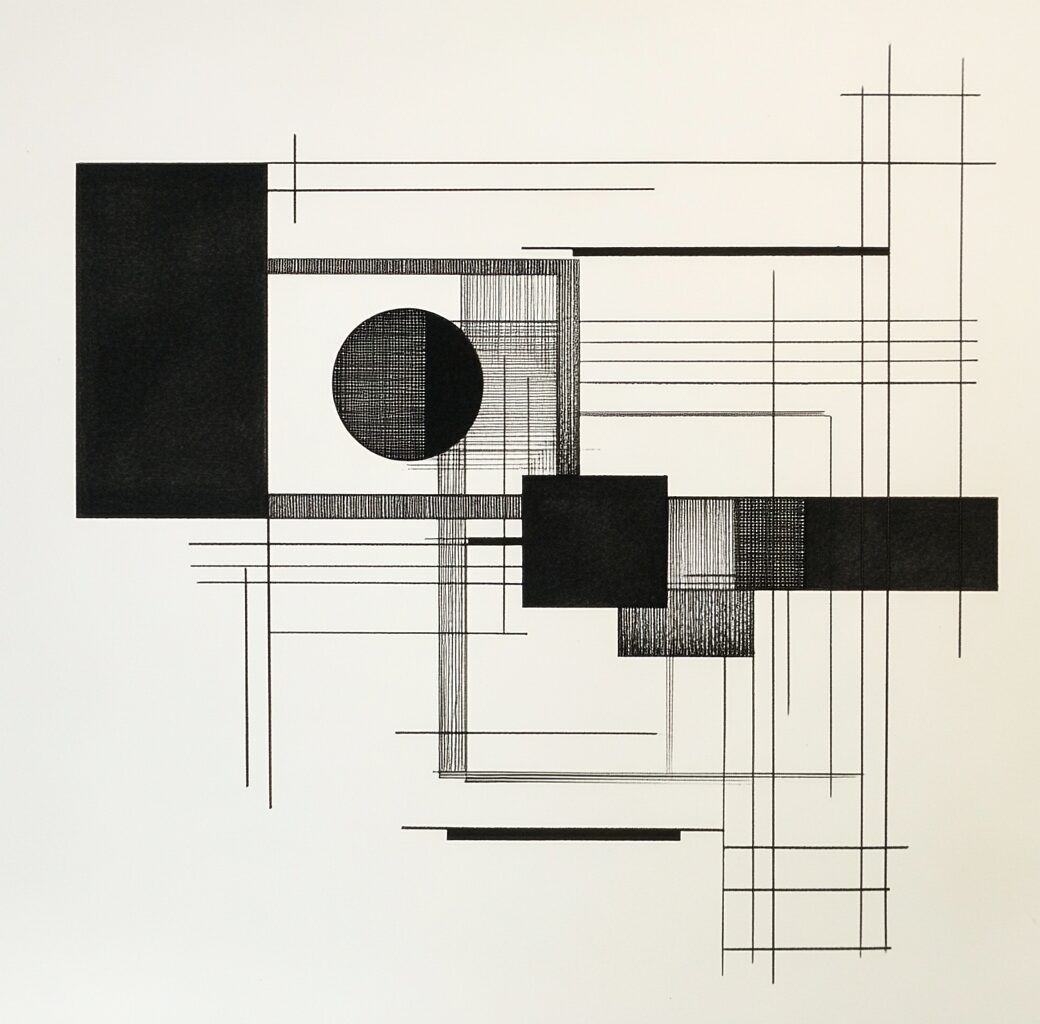
Quantum Leap is a new programme where past and future meet in a journey through art, technology and innovation. From ELIZA to ChatGPT, from Duchamp to Klingemann, from Klee to Nake; we will explore together how yesterdays innovations are shaping tomorrow. A dialogue between human creativity and digital tools, from virtual reality to synthetic landscapes, redefining the boundaries of the possible. An appointment for those who want to understand the future through the processes that build it.
Paul Klee was a pioneer in considering art as a quest for essential forms. In his writings, such as Creative Confession, and in his courses at the Bauhaus, he explored themes related to rhythm, seriality, and the geometric construction of forms, ultimately stating in 1918 that, “Art does not reproduce the visible but makes it visible.”
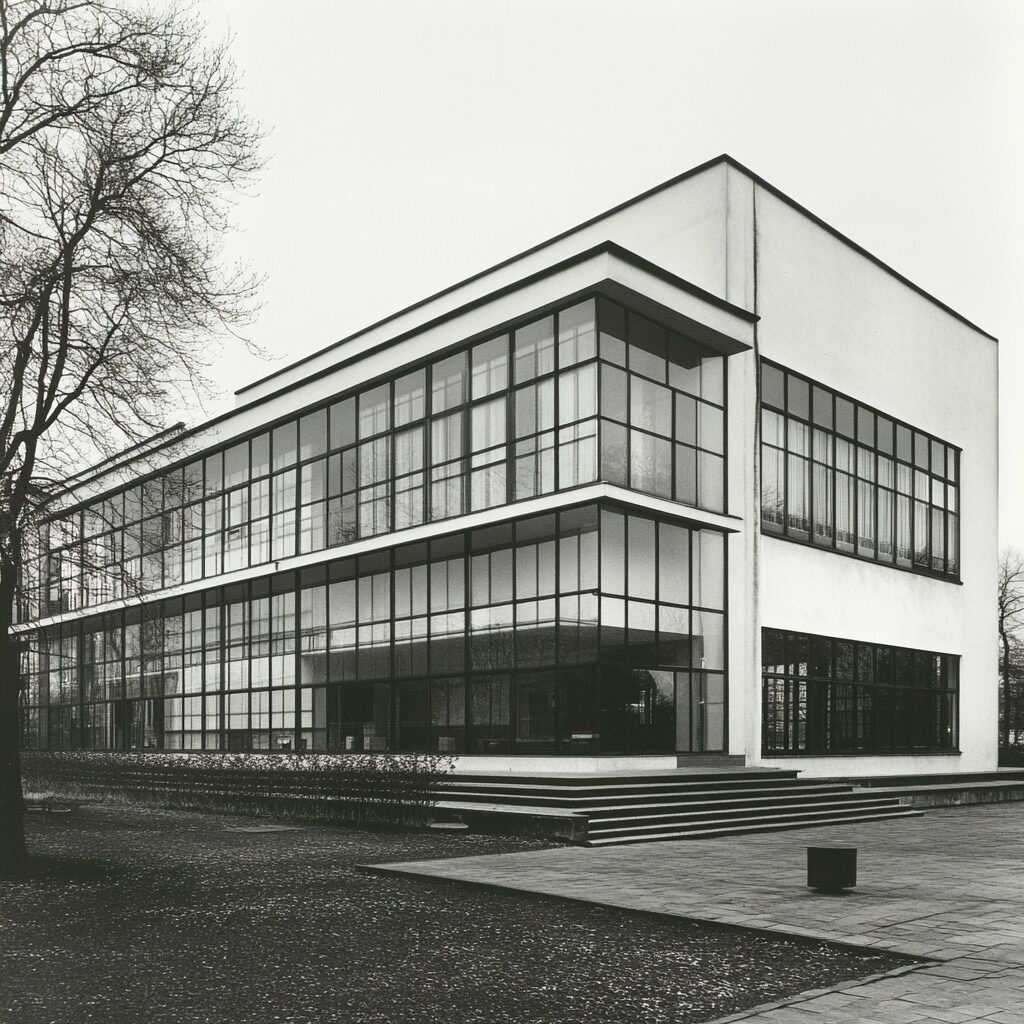
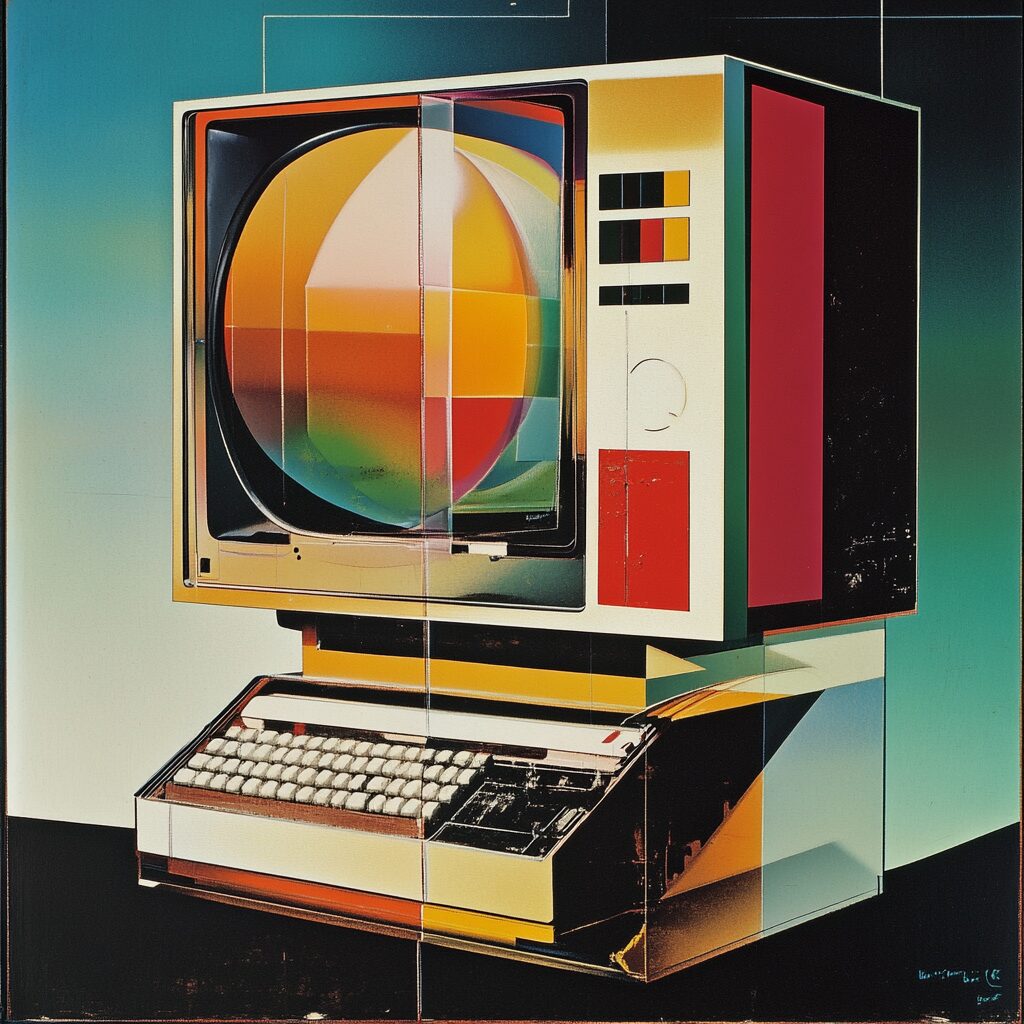
Among the pioneers of Computer Art is Frieder Nake, a mathematician and artist who used algorithms to create works. Nake, working with computers and plotters (notably the legendary Zuse Graphomat Z64), explored the intersection of randomness and rule, also translating principles of abstract art into a digital context. Works like Homage à Paul Klee (1965) clearly pay tribute to Klee, transforming his concepts of structure and harmony into a new generative language.
Abstract art, characterized by structure, rhythm, seriality, and geometry, provided an ideal field of exploration for Computer Art artists. Vera Molnár was influenced by the aesthetics of Mondrian and Malevich; Manfred Mohr drew inspiration from Mondrian’s compositions; and Georg Nees found fascination in Bauhaus geometry. This opened the door to new aestheticswhere programming and algorithms became tools for artistic creationleading to what would be termed an “Algorithmic Revolution.
Rebecca Pedrazzi is an art historian and critic specialised in AI Art, curator and journalist. Born in Milan, she graduated in Art History and Criticism at the University of Milan with the thesis Il Mercato dellArte Contemporanea (The Contemporary Art Market) and began working as an Art-Advisor in an art management company, also developing an in-depth knowledge of Old-Masters. In 2017 he founded the online art and culture magazine NotiziArte.com, and in 2018 he became a freelance journalist. Since then he has written more than 3,500 articles on national and international art and culture events, now with a targeted focus on the most current topics of the latest technologies applied to the art world. In 2021, he published the book Possible Futures. Art Scenarios and Artificial Intelligence Publisher Jaca Book. She currently lectures for courses and masters on AI and the world of Art and is active, on the educational side, with publications, conferences and dedicated webinars. She has collaborated with various organisations such as VAR Digital Art for the VDA Award, and with CINECA for the GRIN S+T+ARTS Residencies project. She is a member of the Gallery Climate Coalition (GCC) and collaborates with the Neuromarketing and Metaverse Department AINEM and the European project PERCEIVE. She co-curated the exhibition Lopera darte nellepoca dellIntelligenza Artificiale Parma, Palazzo Pigorini, the first collective exhibition dedicated to Italian AI Art. In 2024 she worked in the Artificial Intelligence Observatory team at the European Institute of Design (IED) where she currently teaches Phenomenology of Contemporary Arts.




© COPYRIGHT THE BUNKER 2025. ALL RIGHTS RESERVED.
THE BUNKER MAGAZINE is a registered publisher at the Florence Court Register of Press, n.6214 / 03.03.2025