


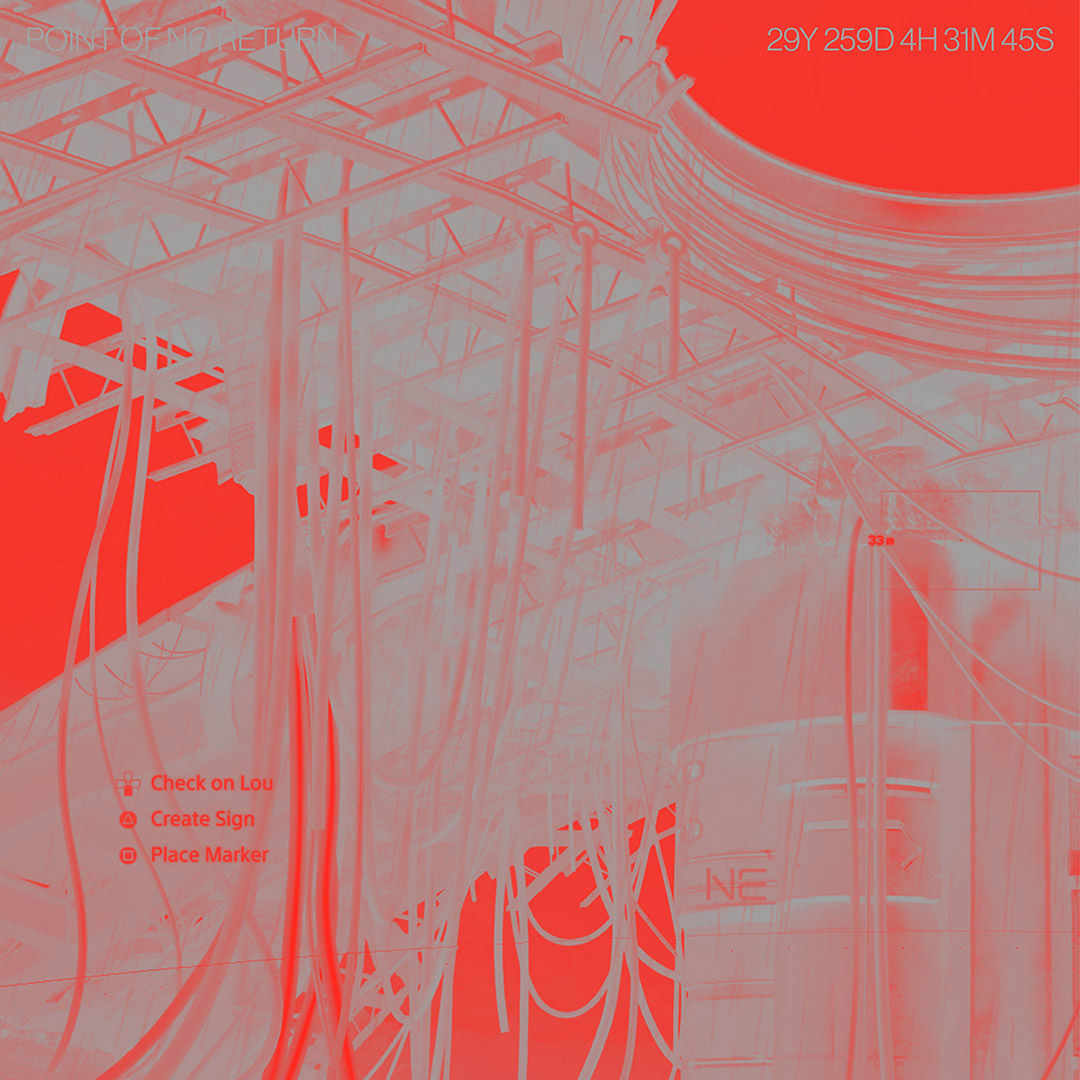
At the beginning of 2020, Belgian artist Benny Van den Meulengracht-Vrancx used Death Stranding (Kojima Productions, Sony Interactive Entertainment, 2019) to create the illustrations for the online section of the climate change exhibition Point of No Return, which he curated for the Cultural Center of Ekeren (Antwerp). I think [Death Stranding] more so painted an image of a world after the point of no return, the artist wrote to us. But when the pandemic began, our world became even more similar to the one depicted in the video game, where people live underground, connected through delivery workers and the internet. Almost as if to emphasize this close connection, came the introduction of the photo mode, promoted together with British photographer Pete Rowbottom, who explained in a video how to apply traditional photography principles to the game.
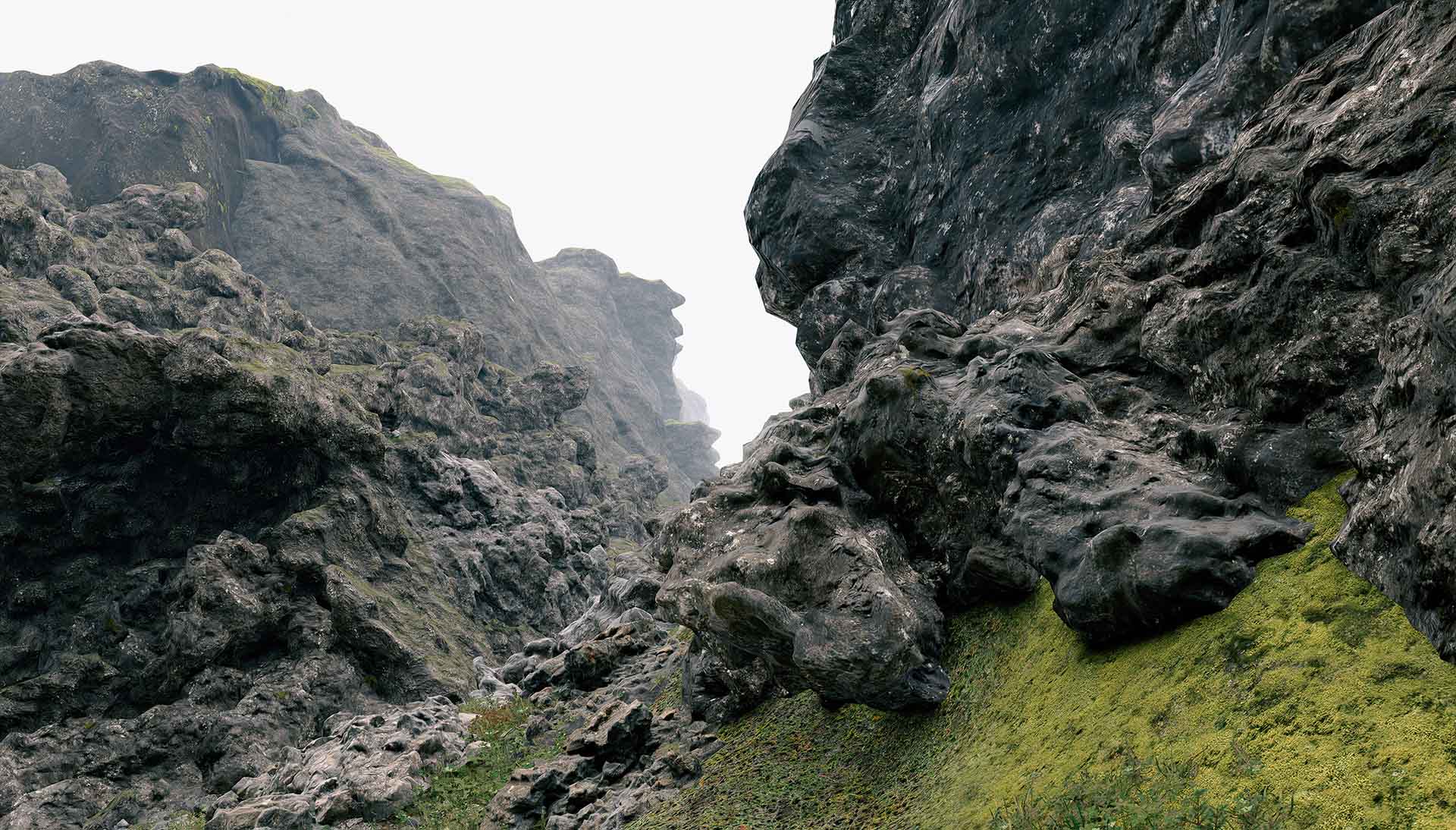
It was unsettling to play Death Stranding during the pandemic, says Italo-Swiss photographer Pascal Greco, who during those months was supposed to travel to Iceland. When the trip was cancelled, Greco decided to take his shots within the virtual landscapes of Death Stranding, which are inspired by Icelandic terrain. The path he began with that project, which culminated in the book Place(s) (2021), continued with the machinima Place(s) Space(s) (2025), which opens with slow shots from photorealistic video games, including Death Stranding. My intention was really to make people who discovered the film without knowing what it was about believe that these images are real, Greco states.
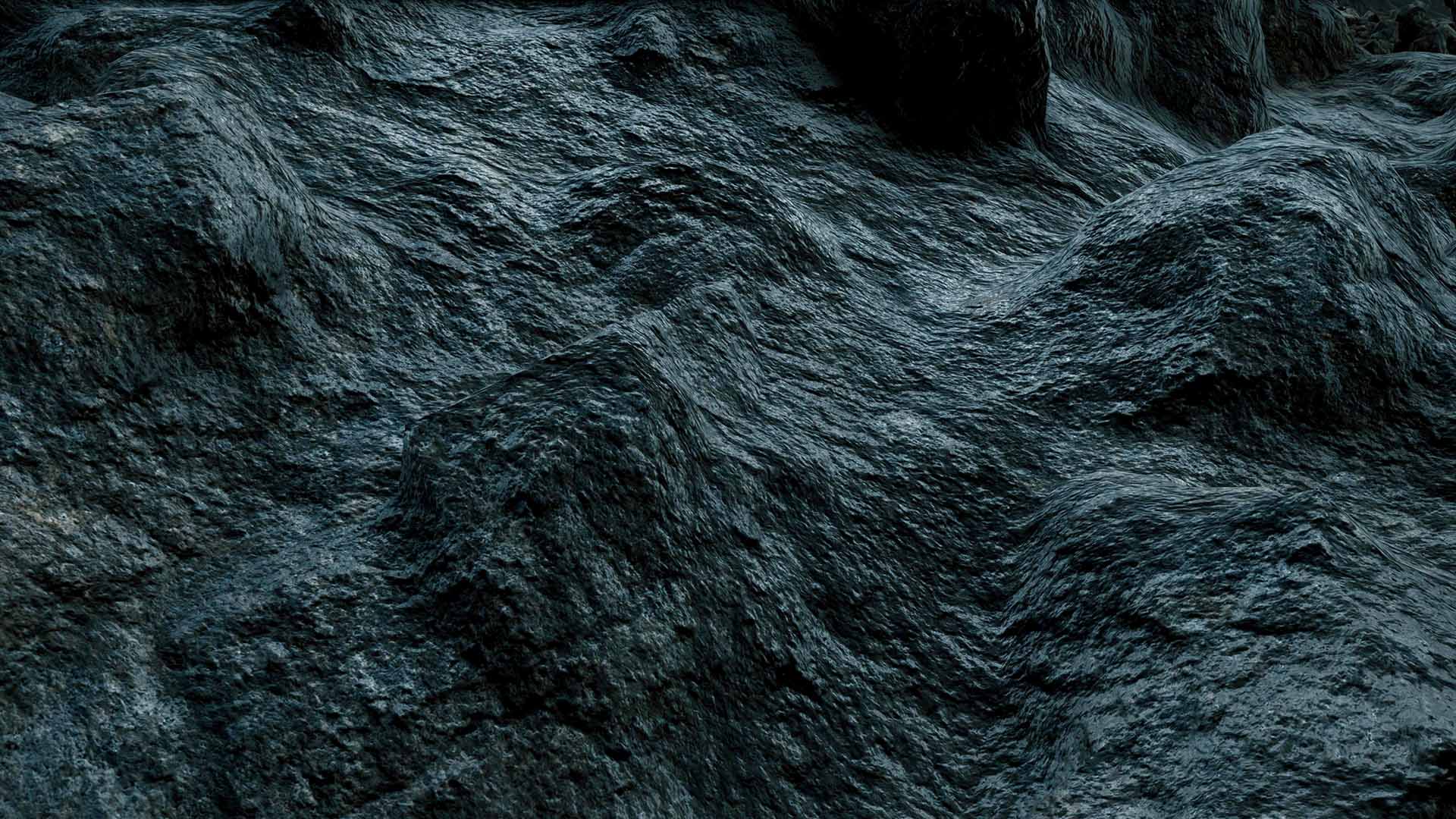
To what extent are the physical and the virtual equivalent? Rowbottom explains via email that, when it comes to photography, in real life you have to plan more, and also adapt to constant changing conditions whereas in the gaming world you can really take your time. In the second part of Place(s) Space(s), the virtual spaces begin to unravel, to glitch. They not only reveal the illusion of the trompe-lil, but claim a dignity of their own.
Matteo Lupetti writes about art criticism, digital art and video games in publications such as Artribune and Il Manifesto and abroad. He has been on the editorial board of the radical magazine menelique and the artistic direction of the reality narrations festival Cretecon. His first book is ‘UDO. Guida ai videogiochi nell’Antropocene” (Nuove Sido, Genoa, 2023), a reinterpretation of the video game medium in the age of climate change and within the new multidisciplinary paths that foreground the non-human and its agency.