


In The Philosophy of Super Mario Bros. (Mimesis, 2025), philosopher Matteo Bittanti identifies four non-mutually exclusive approaches through which digital artworks reinterpret Nintendo’s Super Mario video games:
1. Functional subtraction, the “removal of rules and objectives.”
We could place in this category all interventions that detach the video game from the traditional gaming logic by altering not so much the rules, but the affordances of the toy/video game. That is, it’s not about how the toy is used but how it is made (how it is programmed, in the case of video games). Example: in mario battle no. 1 (Myfanwy Ashmore, 2000) the code of a NES console game is modified to trap the protagonist Mario in a landscape devoid of architecture, obstacles, rewards, or goals, and therefore without progression.
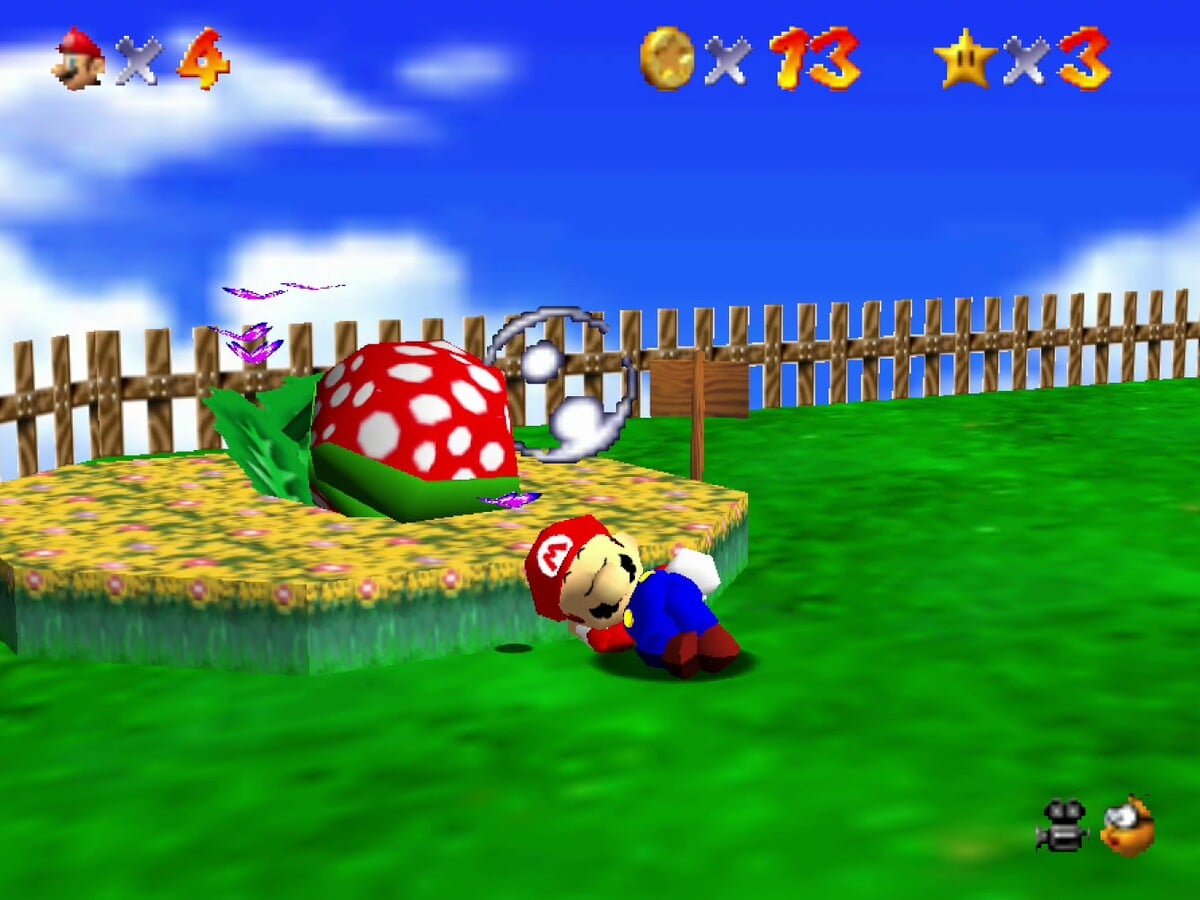
According to Bittanti, such subtraction is the most prevalent feature in Game Art, which legitimizes not “the video game as such, but rather the artistic intervention that removes it from its utilitarian logic.” Indeed, several discussed works (Super Mario Sleeping by Miltos Manetas, Naptime by Cory Arcangel, El sueño de Mario by Rewell Altunaga) show Mario sleeping, that is, effectively escaping his (video)ludic function. And perhaps dreaming.

2. Iconic reduction, visual abstraction also aimed at critical analysis.
Example: Mario Soup (Ben Frey, 2003) reassembles visual elements extracted from Super Mario Bros. (1985).
3. Procedural derailment, exposing and subverting the rhetoric and limitations of the machine.
Example: El sueño de Mario (2011), a machinima in which Mario passes through hyper-realistic, war-torn video game landscapes.
4. Curatorial (and infrastructural) recontextualization.
According to Bittanti, a video game becomes art only when it “is extracted from its original economy and recontextualized within a curatorial grammar” in a museum or a gallery. Example: Super Mario Clouds (Cory Arcangel, 2002), a work now firmly established into the canon of contemporary art.