


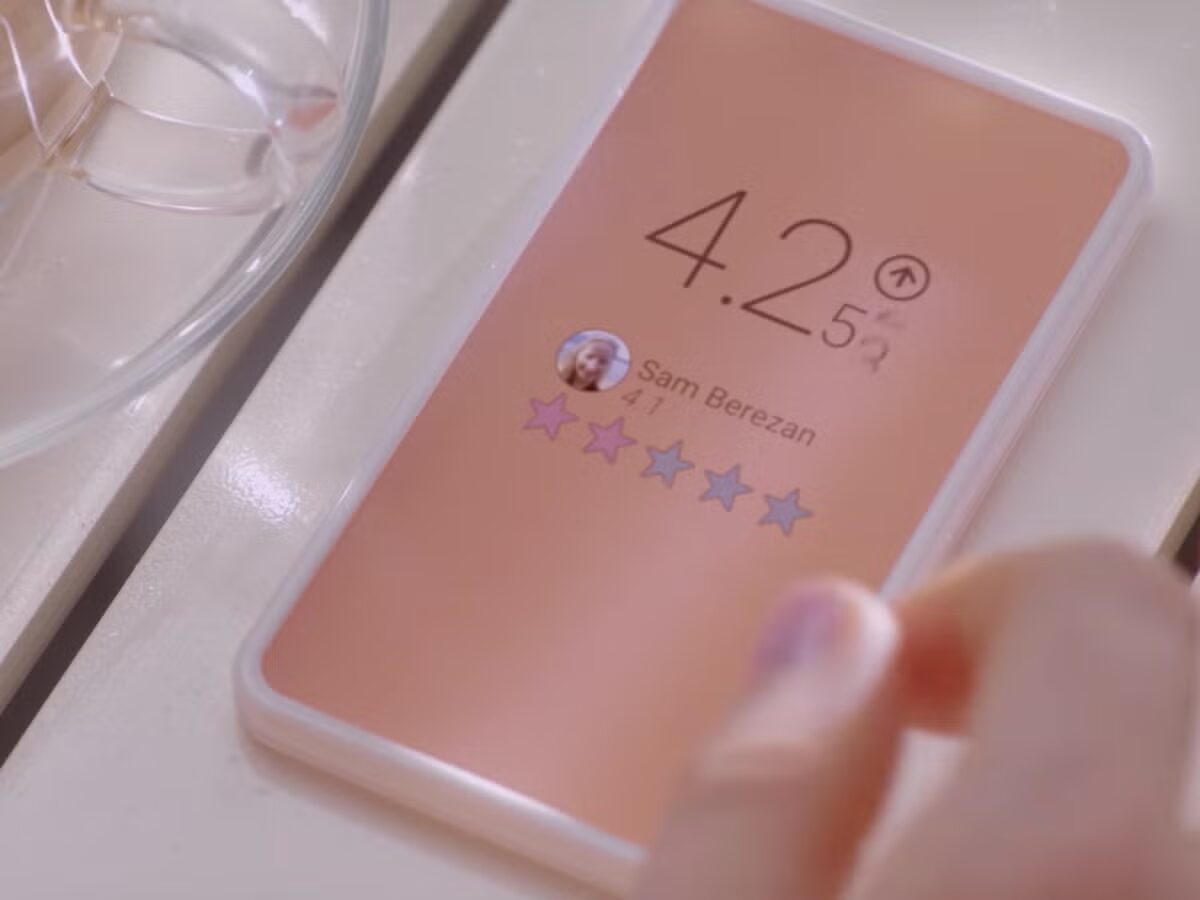
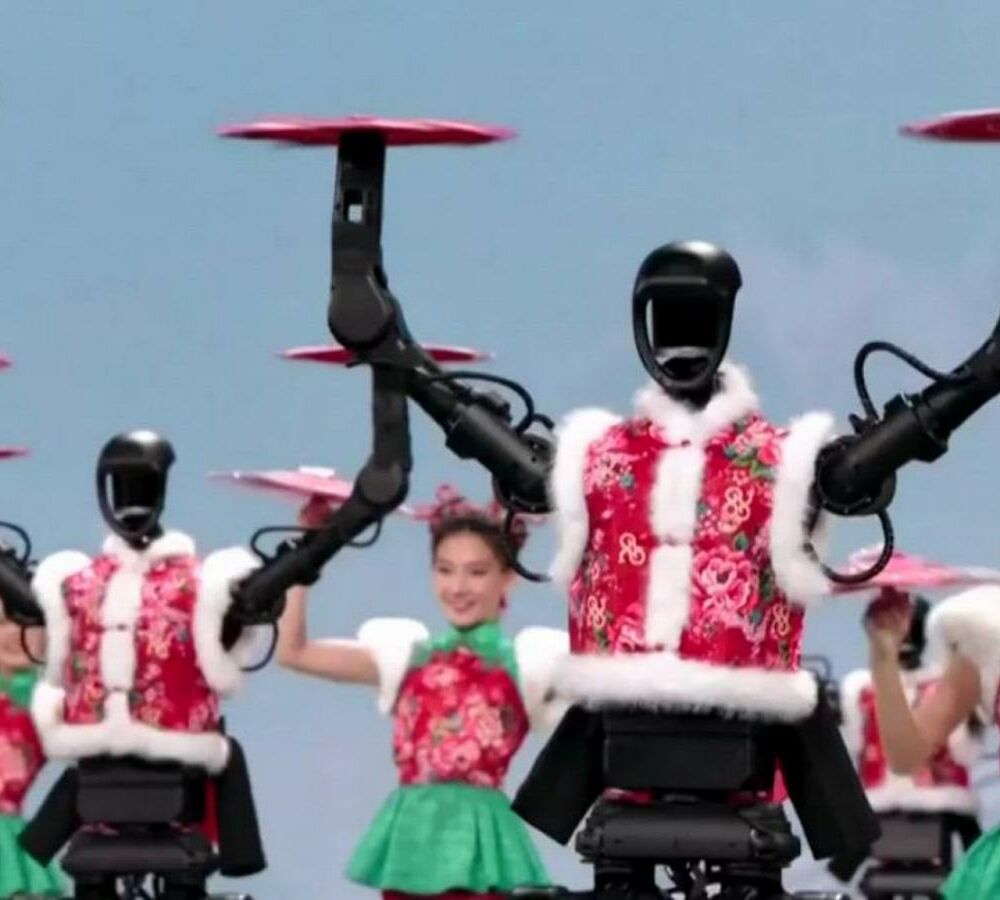
In the West, we live in the Black Mirror phase of technologywe fear it, we expect it to betray us, to invade us, to steal our jobs. In China, on the other hand, its the Star Trek phase: technology is a tool for progress, improvement, something that can make life easier.
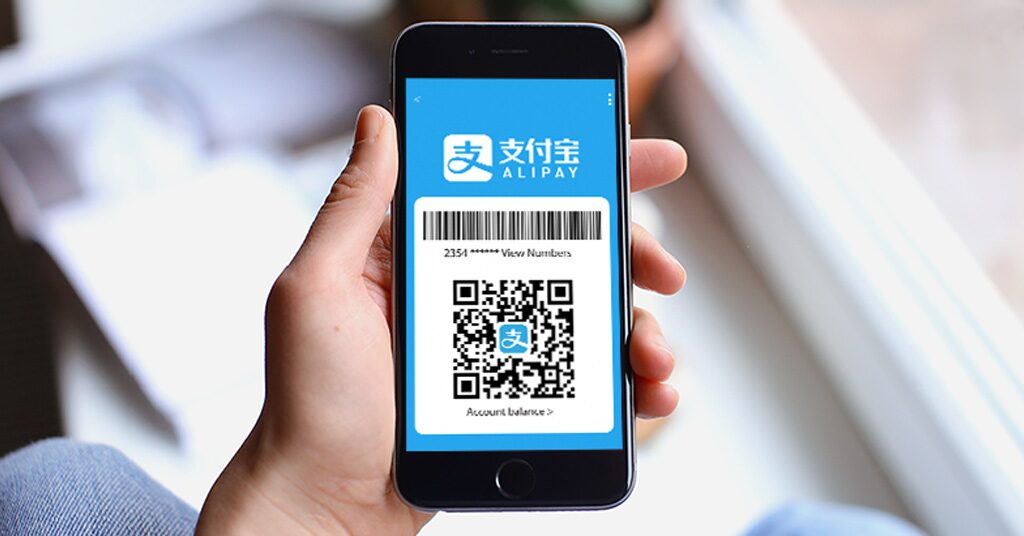
The first time I arrived in Shanghai, in 2016, I was amazed at how cash had become practically useless. Pulling out a banknote felt awkward, outdated, almost folkloric. Everything was paid via QR code: the taxi, the steaming hot baozi bought on the streeteven the beggar on the corner had a QR code to ask for alms. When I returned to Italy, I would talk about how convenient it was not to need a wallet when leaving the house. That was the precise moment I had the clear sensation that China was light-years ahead of Europe in terms of technology. But it wasnt just about tools, devices, or infrastructure. There was something deeper: a different way of seeing technology as a resource.
Looking back at the articles Ive written for this column, Ive realized I often draw parallels with Black Mirror. Whats happening in China seems to precede the episodes of the famous British dystopian seriesperhaps also because we, in the old continent, continue to view technology with a certain suspicion.
Not long ago, while listening to a podcast, I came across a quote from Kaiser Kuo, former communications director at Baidu and a clear voice bridging East and West. He said something like this: In the West, we live in the Black Mirror phase of technologywe fear it, we expect it to betray us, to invade us, to steal our jobs. In China, instead, we are in the Star Trek phase: technology is a tool for progress, for improvement, something that can make life easier.
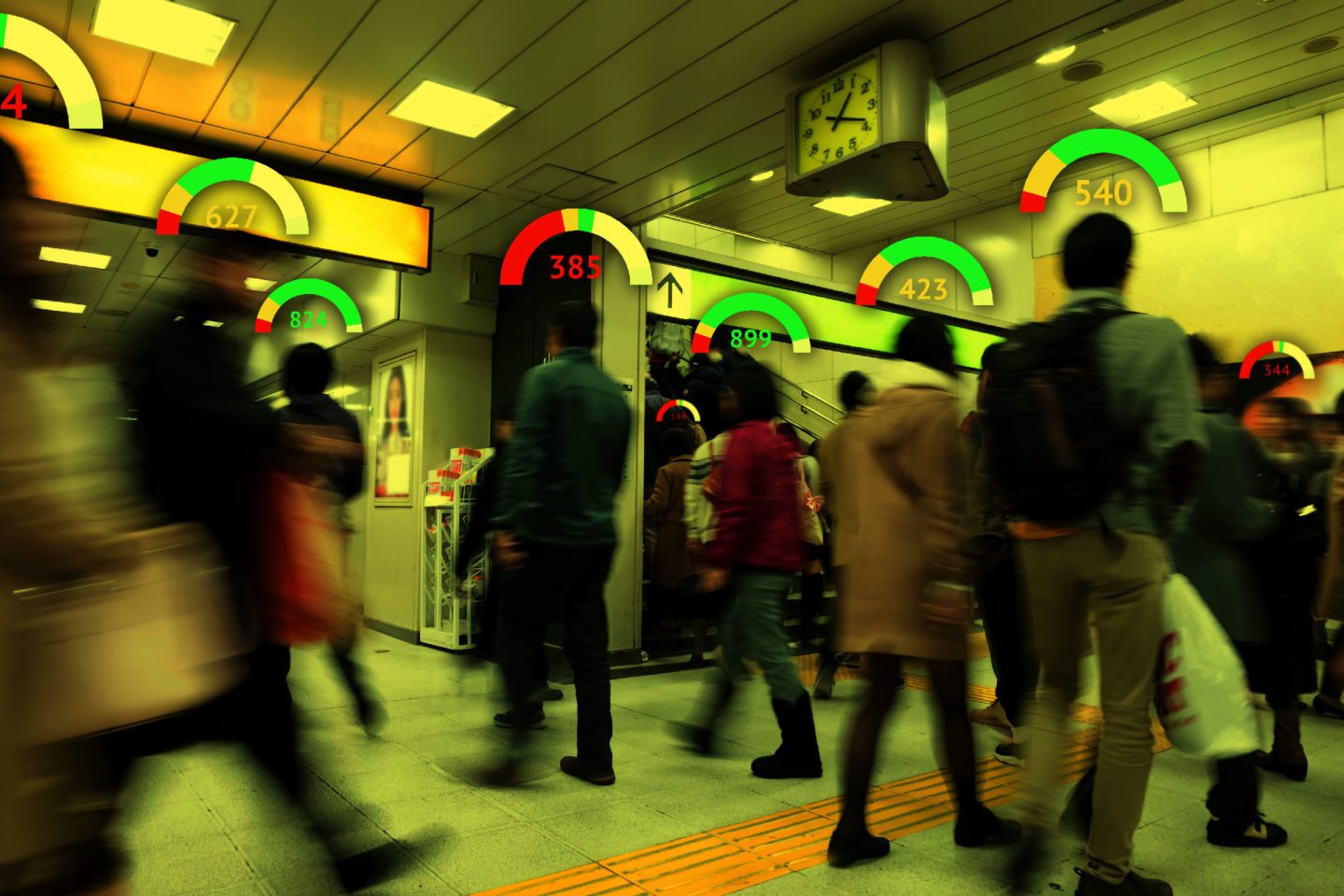
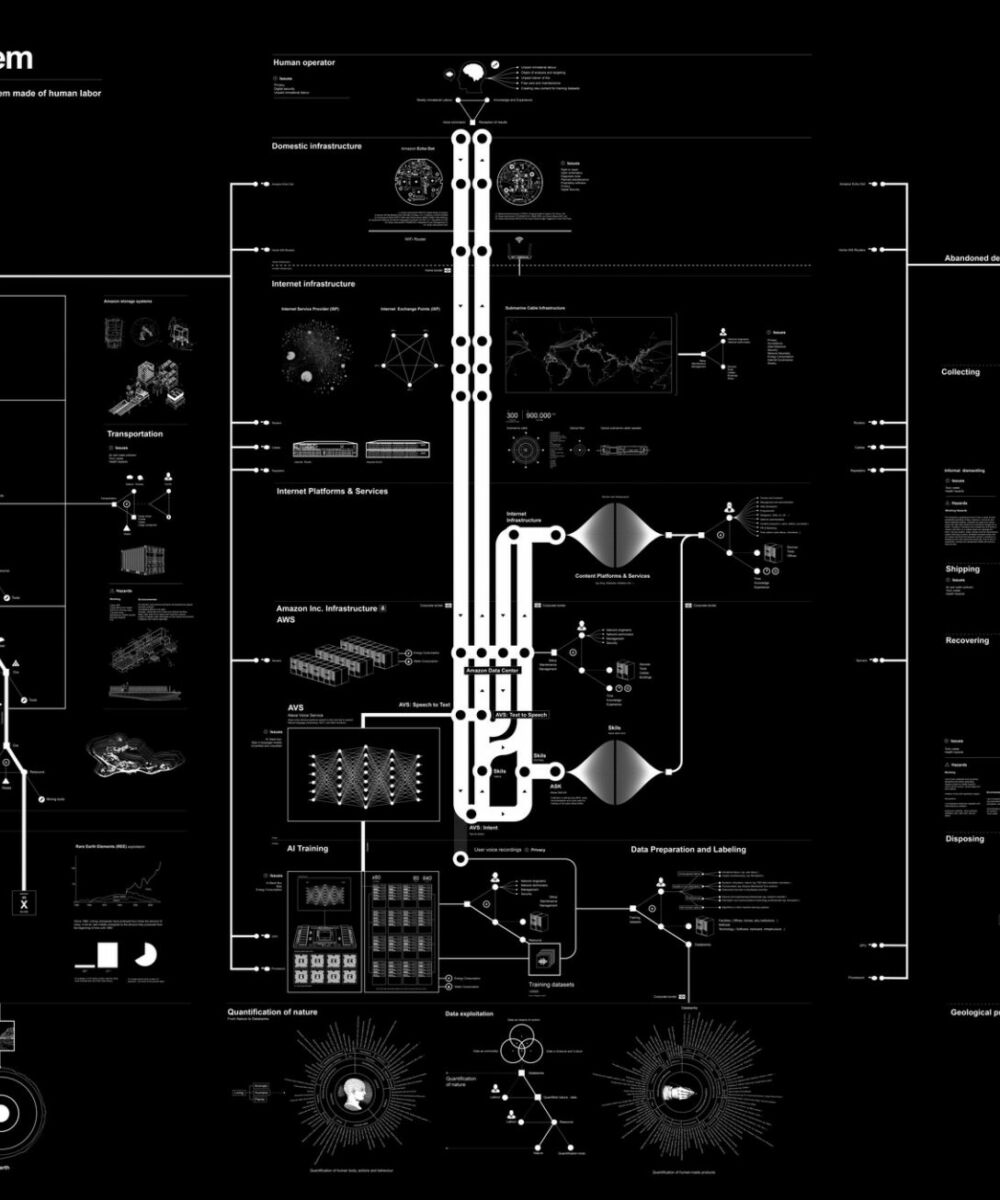
In Europeand perhaps even more so in the United Statesour technological imagination is filtered through an anxious lens. Dystopian series, cyberpunk narratives, op-eds about the dangers of AI: everything seems to scream that were rushing headlong into an abyss. Theres a constant feeling that every advancementan algorithm, a new app, a machine that listens to usis a threat to our privacy, our freedom, or simply our humanity.
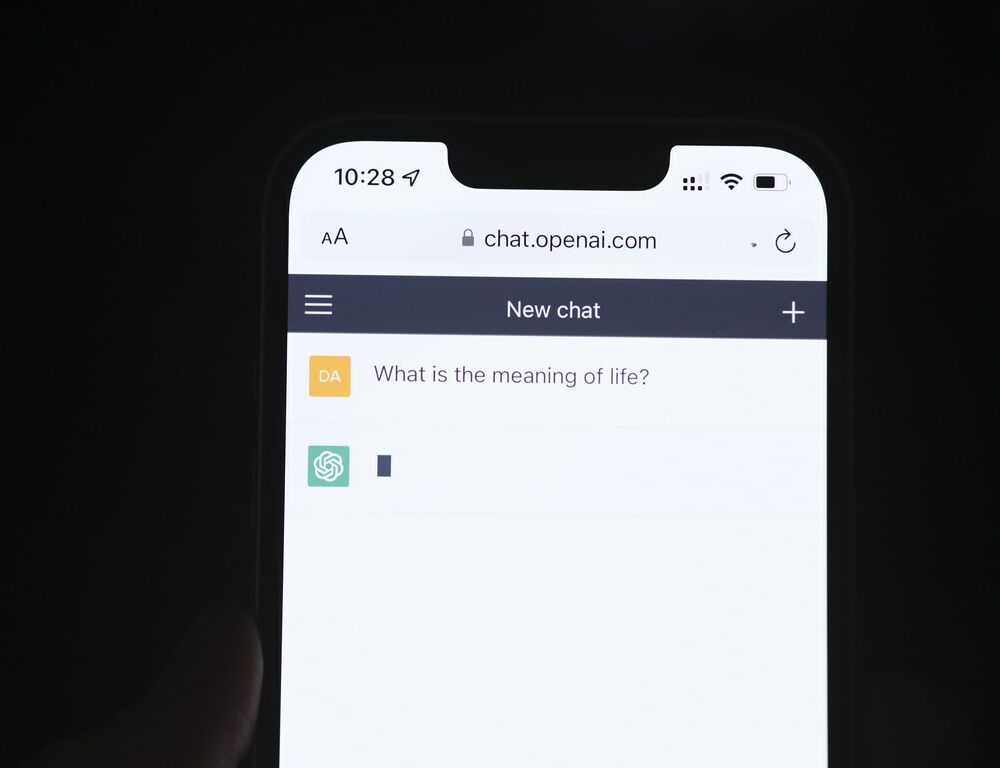
This isnt a completely unfounded paranoia. Weve seen the side effects of digital surveillance, platform capitalism, and information bubbles. But its also true that the dominant narrative in the West is profoundly pessimistic: its as if every innovation must be analyzed, weighed, and sometimes rejected, as though theres always a trap behind it. We use new technologies, but not without a subtle distrust. We like to confide in ChatGPT, yet criticize AI-generated images and videos.
This attitude stems from our history and myths: the same ones in which Prometheus is punished for stealing fire from the gods, or Frankenstein creates a monster. Every step forward seems to inevitably lead to something negativeweve internalized suspicion as a form of protection.
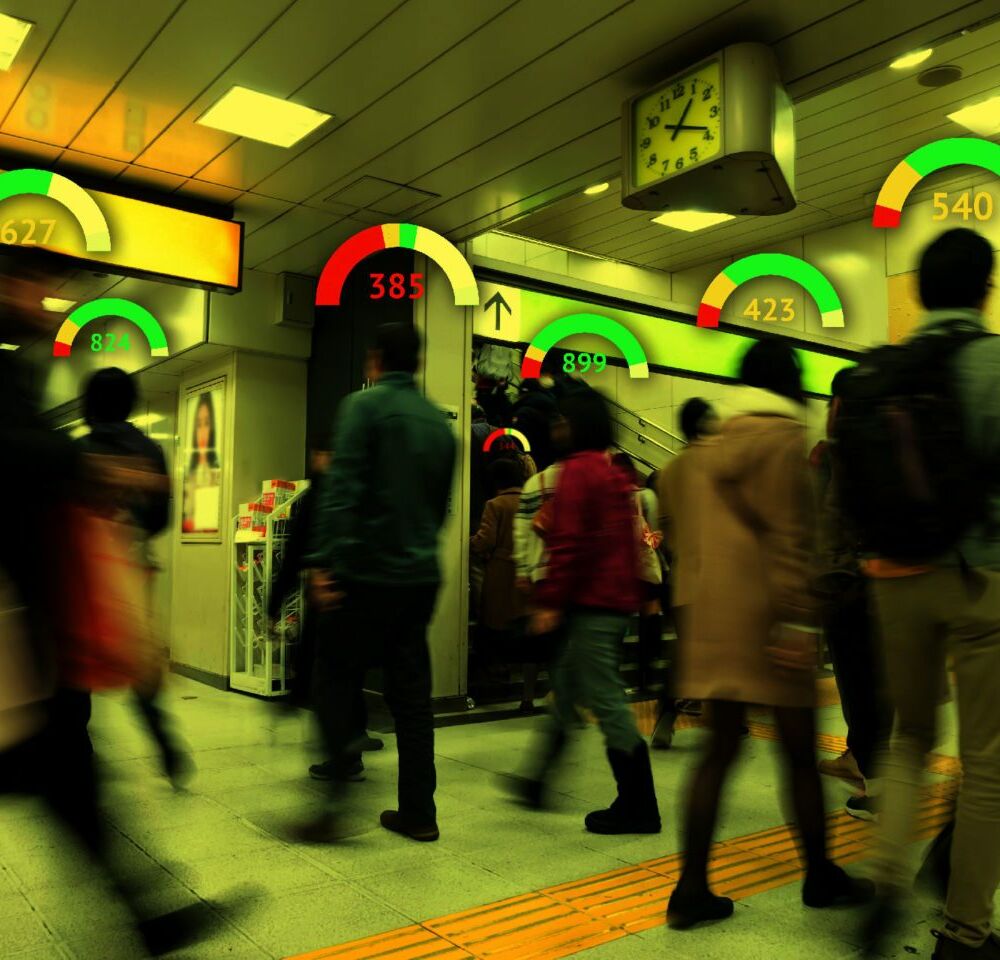
In China, the dynamic is different. Technology is not perceived as a threat, but as a real opportunity. Its part of everyday life. AI suggests your grocery shopping on Taobao, books a doctors appointment in less than three clicks, and digital payments prevent any kind of tax evasion. Its fully integrated into daily life and is welcomed with an almost disarming trust.
I remember a conversation with a Chinese friend. I asked her if it didnt bother her that the government could access so much of her personal data. She looked at me, surprised, as if my question was out of place. If technology helps me live better, why should I be afraid of it?
China didnt go through the trauma of the Industrial Revolution like Europe did, nor the post-70s privacy reckoning like the U.S. did. The approach is more pragmatic: if something works, you use it. Period. If it improves efficiency, comfort, or productivity, its enthusiastically adopted. This doesnt mean theres no debateChina also has critical voices about smartphone addiction or the impact of apps on younger generationsbut the general tone is different. Anxiety isnt the dominant feeling; curiosity is.
The divergence between these two visions is not just geopolitical or technological, but cultural. In the West, were obsessed with the concept of the individual, with personal freedom, with control. In China, where the collective has always played a more central role, innovation is also judged by the benefits it brings to the communityurban efficiency, general well-being, quality of life. The result is a more fluid, less conflictual relationship with technology.
The Chinese approach isnt necessarily better. There are gray areas, of course, and complex ethical issuesespecially when it comes to privacy and government surveillance. But its interesting to observe how the Western imagination is often trapped within itself.
Black Mirror scares us, but the title of the series itself is inspired by the reflection we see of ourselves on the black screens of our smartphones.
China scholar and photographer. After graduating in Chinese language from Ca Foscari University in Venice, Camilla lived in China from 2016 to 2020. In 2017, she began a masters degree in Art History at the China Academy of Art in Hangzhou, taking an interest in archaeology and graduating in 2021 with a thesis on the Buddhist iconography of the Mogao caves in Dunhuang. Combining her passion for art and photography with the study of contemporary Chinese society, Camilla collaborates with several magazines and edits the Chinoiserie column for China Files.

![The Topologies of Zelda Triforce (Patrick LeMieux, Stephanie Boluk, 2018) [image from itchio]](https://www.the-bunker.it/wp-content/uploads/2025/11/The-Topologies-of-Zelda-Triforce-Patrick-LeMieux-Stephanie-Boluk-2018-image-from-itchio-thegem-product-justified-square-double-page-l.jpg)








© COPYRIGHT THE BUNKER 2025. ALL RIGHTS RESERVED.
THE BUNKER MAGAZINE is a registered publisher at the Florence Court Register of Press, n.6214 / 03.03.2025