


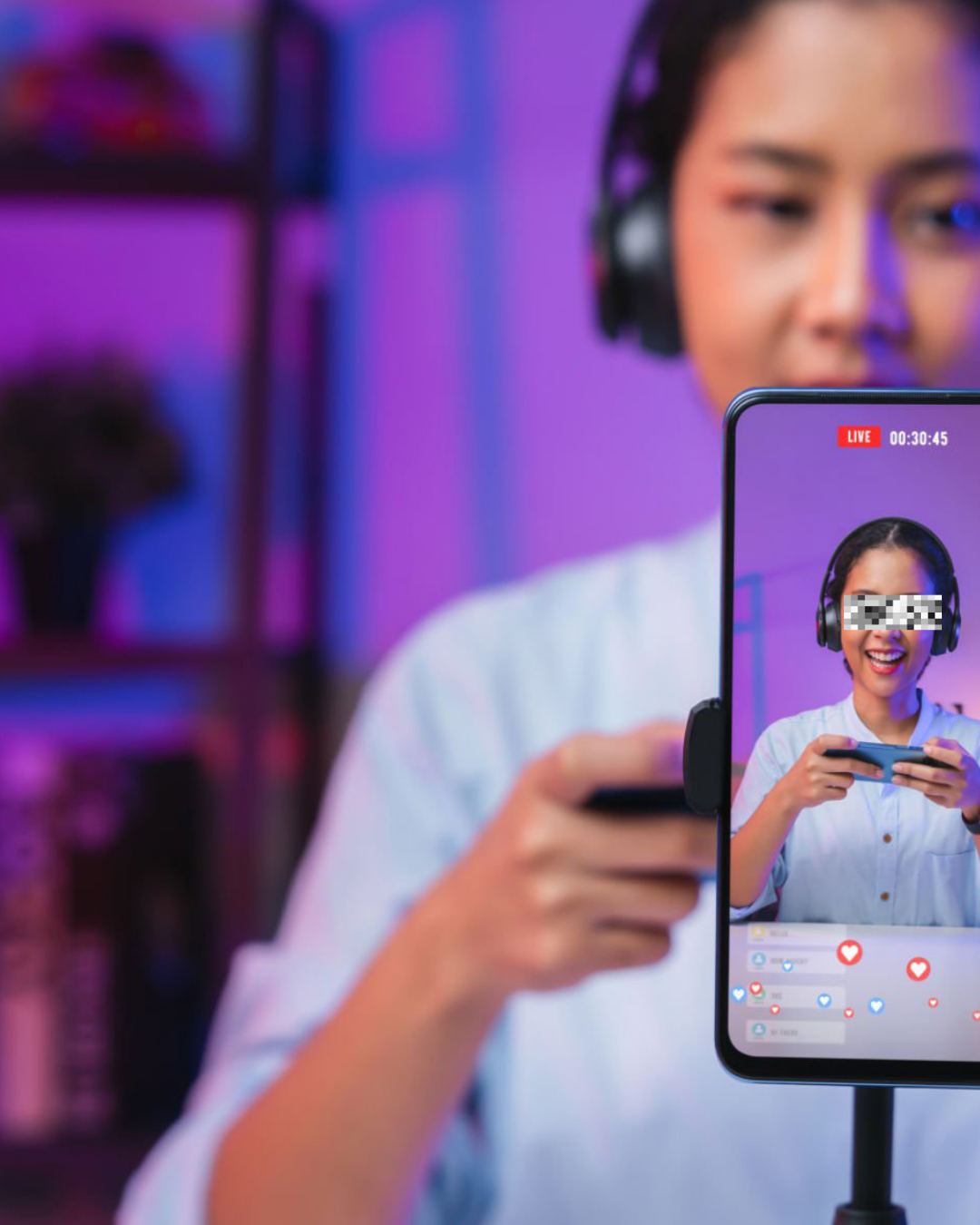
Behind the camera, the lives of Chinese livestream seller-hosts are far less glamorous than they appear. What they do is an essential cog in the e-commerce machine on social platforms like Douyin (the Chinese equivalent of TikTok), but it is also often synonymous with exploitation and unsustainable working hours. In China, many of them are mini-celebrities paid on commission from sales; although they often lack formal professional talent, they make up for it with charisma, quick wit, and a willingness to spend hours and hours each day live-streaming to entertain their audiences on social media.
The recent case of Wang Yefei, 39, has become symbolic: the so-called “Sister Wang Zha” collapsed live during a clothing sales marathon and died shortly afterward in the emergency room. Wang, a single mother with a four-year-old daughter, used to broadcast seven to ten hours a day and had a following of around 130,000 people. Her tragedy has reignited debate about the backstage reality of Chinese livestream sellers—a spectacle that generates hundreds of billions of dollars a year and pushes many people to their limits in pursuit of fame and higher earnings.
Many of their careers began during the lockdown. In February 2020, at the height of the pandemic, Taobao Live (China’s leading e-commerce platform) recorded a 719% increase in new sellers.
Behind the smartphone camera, streamers are mostly young people looking for a second source of income at the end of the month. As explained by the manager of an MCN (Multi-Channel Network) interviewed by Sixth Tone, it is “like being a street performer: you offer your skills and in return receive the generosity of strangers; there’s nothing to be ashamed of.” The rule is to sell as much as possible, using increasingly extravagant formats to keep viewers glued to the screen and encourage them to take advantage of offers always presented as “last minute.” During live sessions, it is crucial to play on viewers’ FOMO, but also to entertain them and avoid disappointing them. For many streamers, this is a full-time job, structured like a show broadcast every day from their bedrooms.During the livestreams, products are unboxed, makeup is tested, questions are answered, and everything is offered—from luxury lipstick to clothing—while chasing the perfect discount. The most interesting aspect is that viewers often do not buy the product itself, but rather the emotional connection with the streamer: the search for companionship is central. Lin, a 20-year-old who earns just 1,000 yuan (about €126) a month, confirms this, as she spends hours chatting with fans from her university dorm room. In the end, it is like becoming a sort of “digital pet” to be observed from afar: always smiling in front of the camera, yet aware that beyond the screen there are no other human connections.
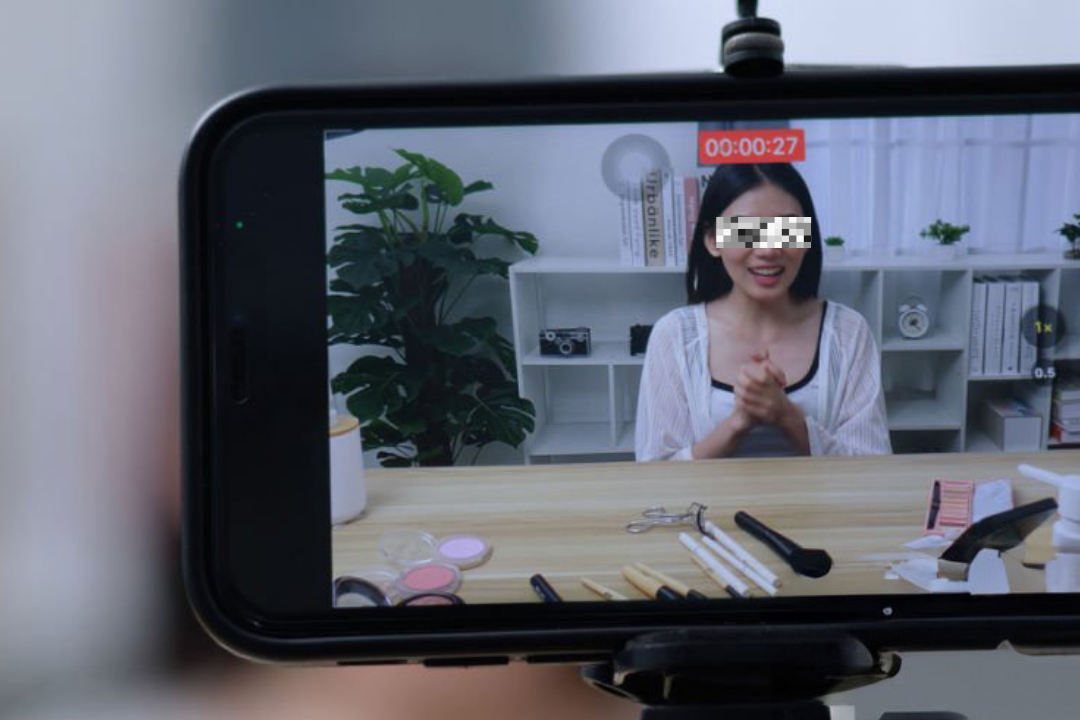
The other side of the coin is chronic fatigue. Some wake up at 4:30 a.m. to go live; others report overnight streams without breaks, spending up to seven consecutive hours talking, singing, or doing whatever it takes to sell. After graduating, Wu Xiao chose to become a full-time streamer: she now broadcasts six to seven hours a day and ends each session with a handful of throat medicines, irritated from speaking nonstop during her livestreams. Years ago, before each broadcast, she suffered from anxiety and panic attacks; on some days she earned as little as five yuan—just over 50 cents. “You have to deal with numerous problems: constant stress, anxiety, job insecurity, all the online hate and criticism,” says another student streamer, describing the emotional “roller coaster” of this profession. When the cameras turn off, the silence is deafening, because those who do this job have no time to devote to other social activities.
Market dynamics add to institutional pressure. If in the past livestream shopping opened the doors to wealth—with influencers like Li Jiaqi and Viya achieving sales of 53 billion yuan in 2020—today the Chinese state is knocking on the doors of those who profit from selling products online with heavy fines. Viya was fined 1.34 billion yuan for tax evasion, while Li Jiaqi and other celebrities have faced investigations, and platforms are penalized if they fail to censor content deemed vulgar or pornographic. Moreover, the business is increasingly seen as a kind of social target practice: some studies warn of a cycle of digital addiction, where the obsession with likes and virtual gifts wears down both body and mind.
Yet fans continue to make thousands of donations, convinced they are pampering their virtual friends. For the average Chinese viewer, these streamers are a window into entertainment, and meaningful friendships have often formed between audiences and these sellers, forged to alleviate the loneliness of everyday life in large cities.
Camilla Fatticcioni