


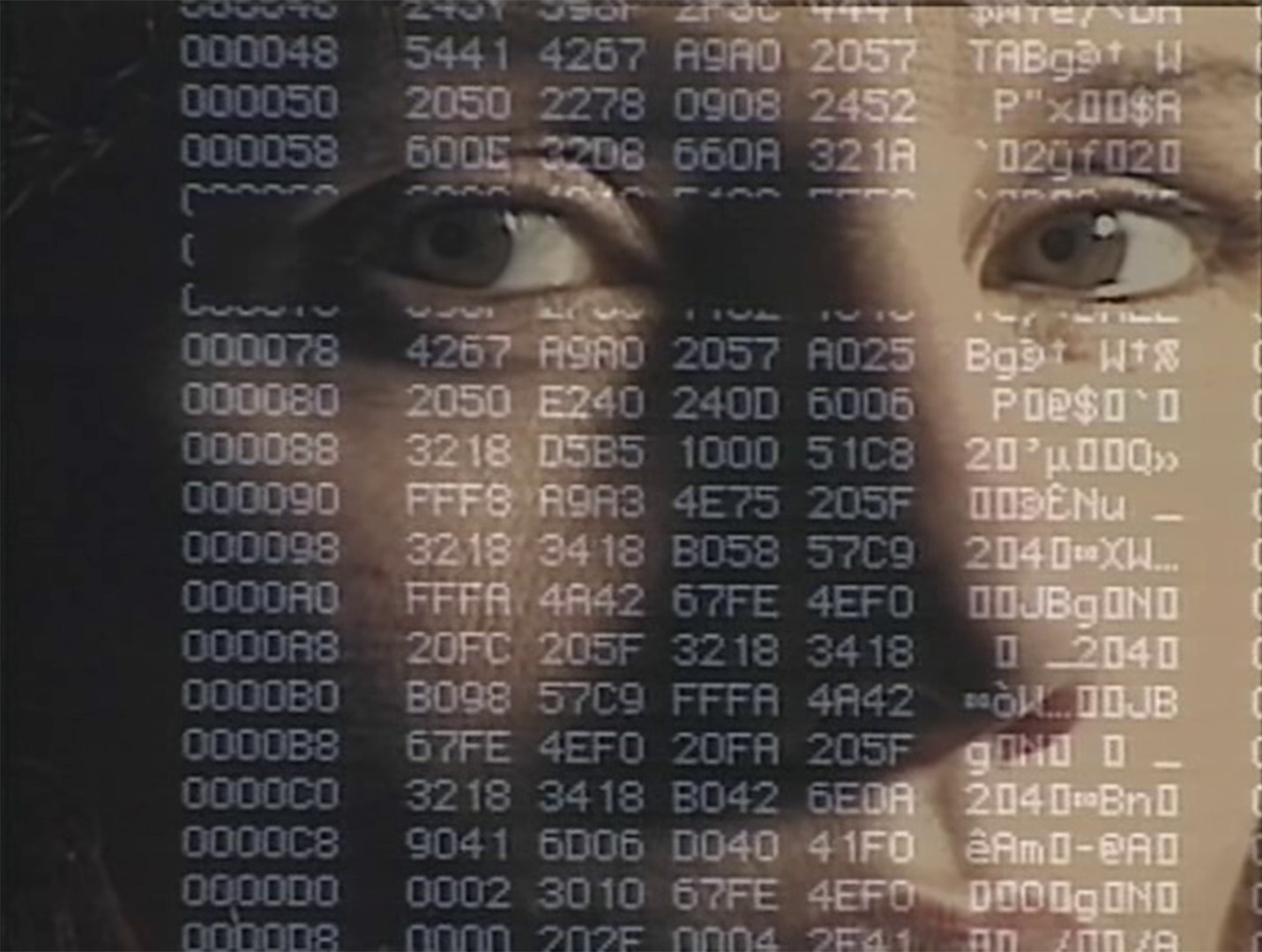
“Strategy games are made to win back lost battles, aren’t they?” observes Laura (Catherine Belkhodja) in Level Five (1997), a film by French director Chris Marker. “Did you really believe a player would be capable to spend his nights watching history repeating itself, and convincing himself that his own history would also just have a single way to be played?” In a series of video diaries, Laura recounts her attempt to complete the work of her late partner: a video game meant to reconstruct the Battle of Okinawa (June 1945) between Japanese and American troops—the final clash of World War II.
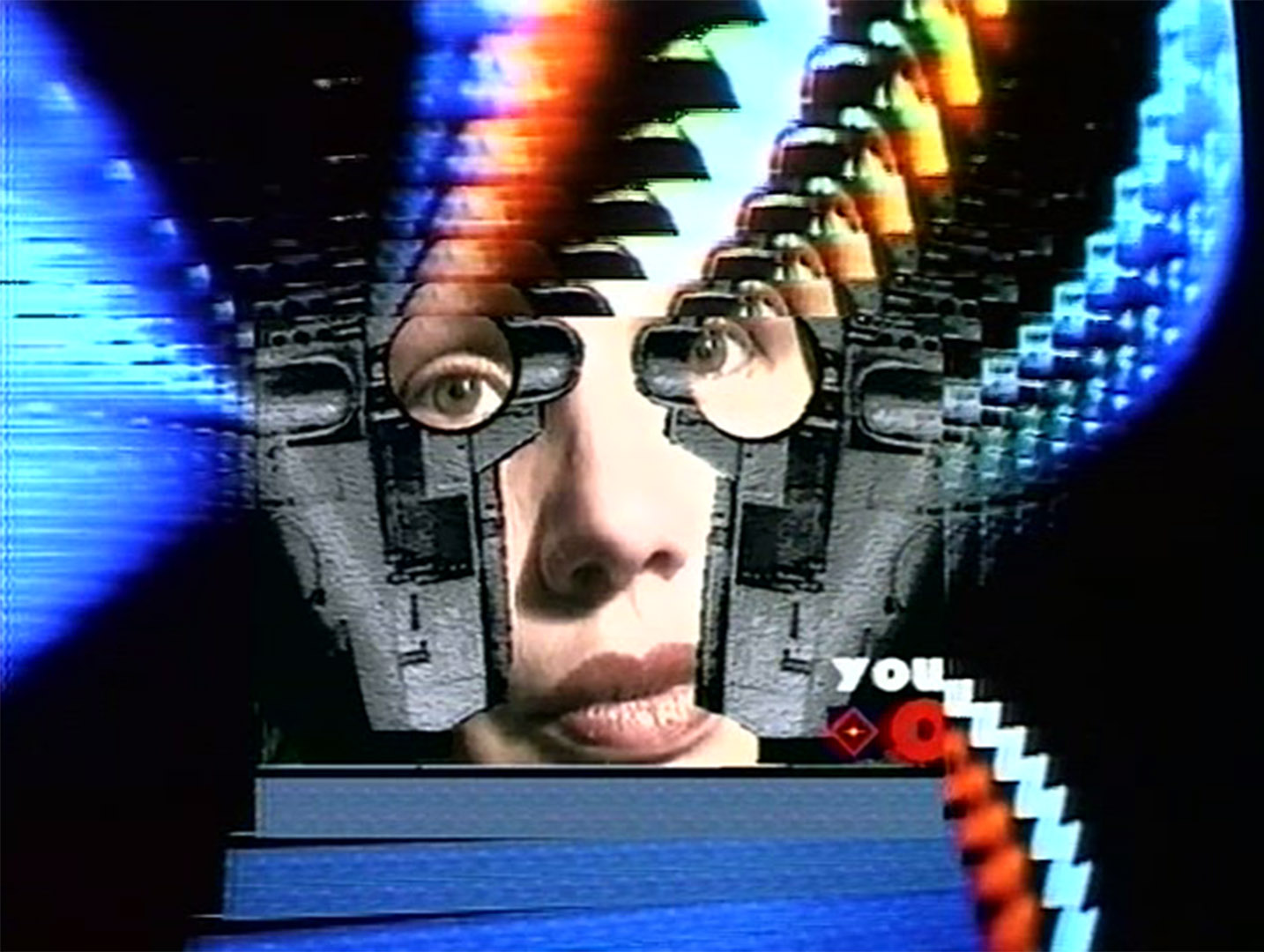
In Fictional Games. A Philosophy of Worldbuilding and Imaginary Play (Bloomsbury, 2022), video game scholars Stefano Gualeni and Riccardo Fassone discuss these fictional games—games that exist only as elements within fictional worlds (for instance, in a novel). These are games we cannot, at least for now, actually play, perhaps because they require science-fictional technologies or because they are described only incompletely, meant above all to raise questions and stimulate our imagination. The game in Level Five is doubly incomplete: for us and for Laura, for whom finishing its development becomes, in turn, a puzzle—a game. Even a struggle against simulation itself. “Why do material objects display such endless, willful mockery?” the protagonist wonders again.
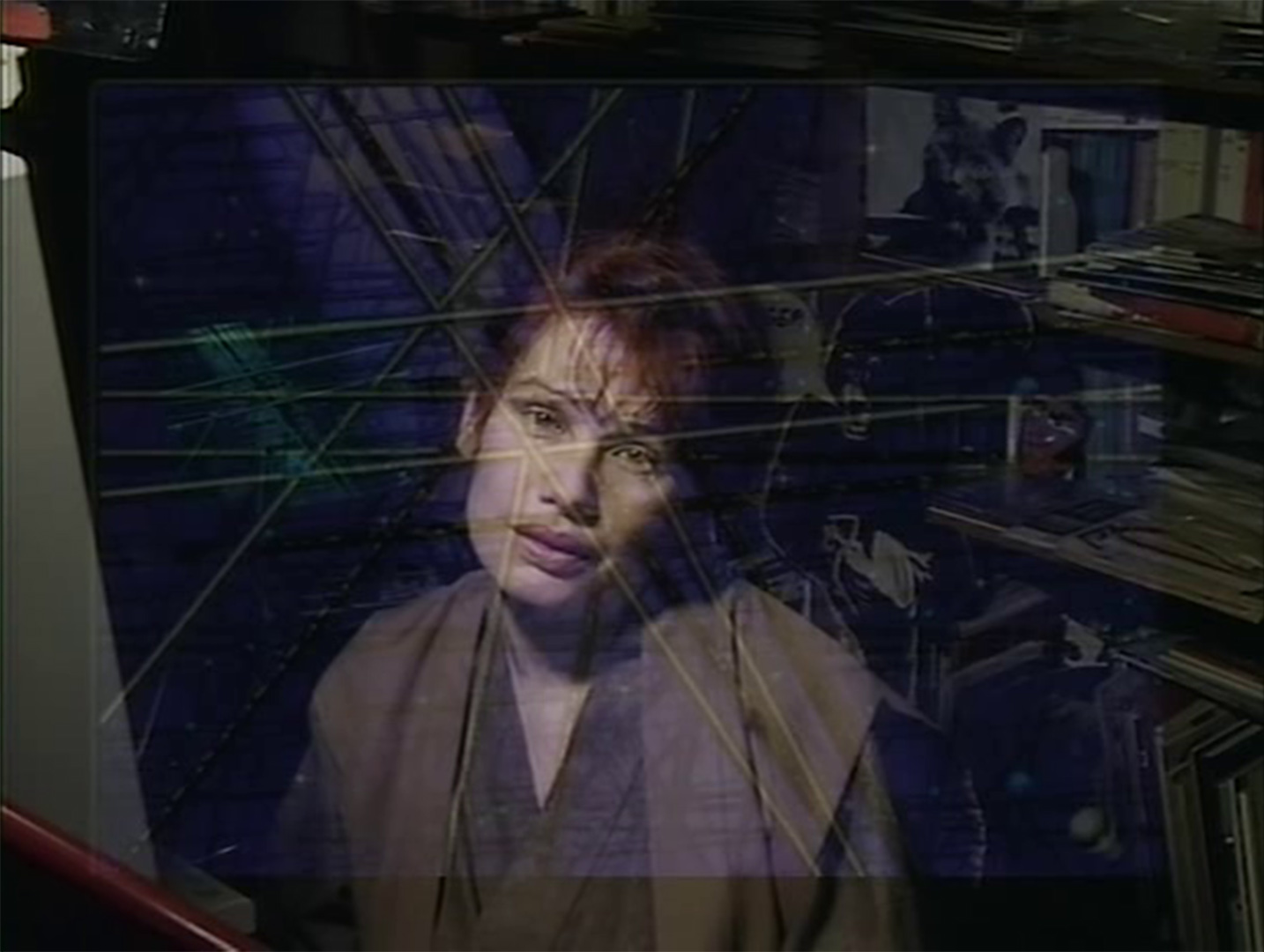
Following Laura’s research through historical sources and through a collage of interviews and testimonies, Marker builds within this framework a documentary about the battle—and above all about the victims of the mass suicide ordered by the Japanese army. The video game medium here becomes an instrument for making history, thanks to its ability to break and question the linearity of memory and its official representation—just as cinematic montage and the hypertextuality that Marker explores in his multimedia CD-ROM Immemory (1997) also do.
Matteo Lupetti writes about art criticism, digital art and video games in publications such as Artribune and Il Manifesto and abroad. He has been on the editorial board of the radical magazine menelique and the artistic direction of the reality narrations festival Cretecon. His first book is ‘UDO. Guida ai videogiochi nell’Antropocene’ (Nuove Sido, Genoa, 2023), a reinterpretation of the video game medium in the age of climate change and within the new multidisciplinary paths that foreground the non-human and its agency.