



China’s digital revolution is nothing new: as early as 2016, paying for coffee with a smartphone, organizing the day through an app, and living within a single digital ecosystem was already the norm. Everything that in Europe we are still partly getting used to today was already standard in China ten years ago, where digital payments were already common at street markets, in taxis, and even requested by people begging on the street via QR code.
Many of these transactions take place through WeChat, which is practically omnipresent in China: with over 1.2 billion active users overall, this app combines chat, social media, payments, maps, shopping, taxis, bookings, and news in one single space. In practice, for Chinese users WeChat is the Internet itself, smarter and more comprehensive than what we are used to in the West.
In 2017, Tencent, the tech giant behind WeChat, launched mini-programs, or “apps within the app.” These mini-apps are lightweight programs (written in JavaScript and customized XML) that live inside WeChat: they do not need to be downloaded from app stores, you simply open them within WeChat. Less than a year after their debut, there were already 580,000 of them, and their use exploded: by 2021 they had already surpassed 450 million daily active users.
Thanks to mini-programs, the experience is much smoother: with just a few clicks, users can book a medical appointment or buy a train ticket, order at a restaurant by scanning a QR code on the table, pay a fine, or listen to the explanation of a work of art inside a museum, all without ever leaving WeChat and without logging in or registering on other platforms.
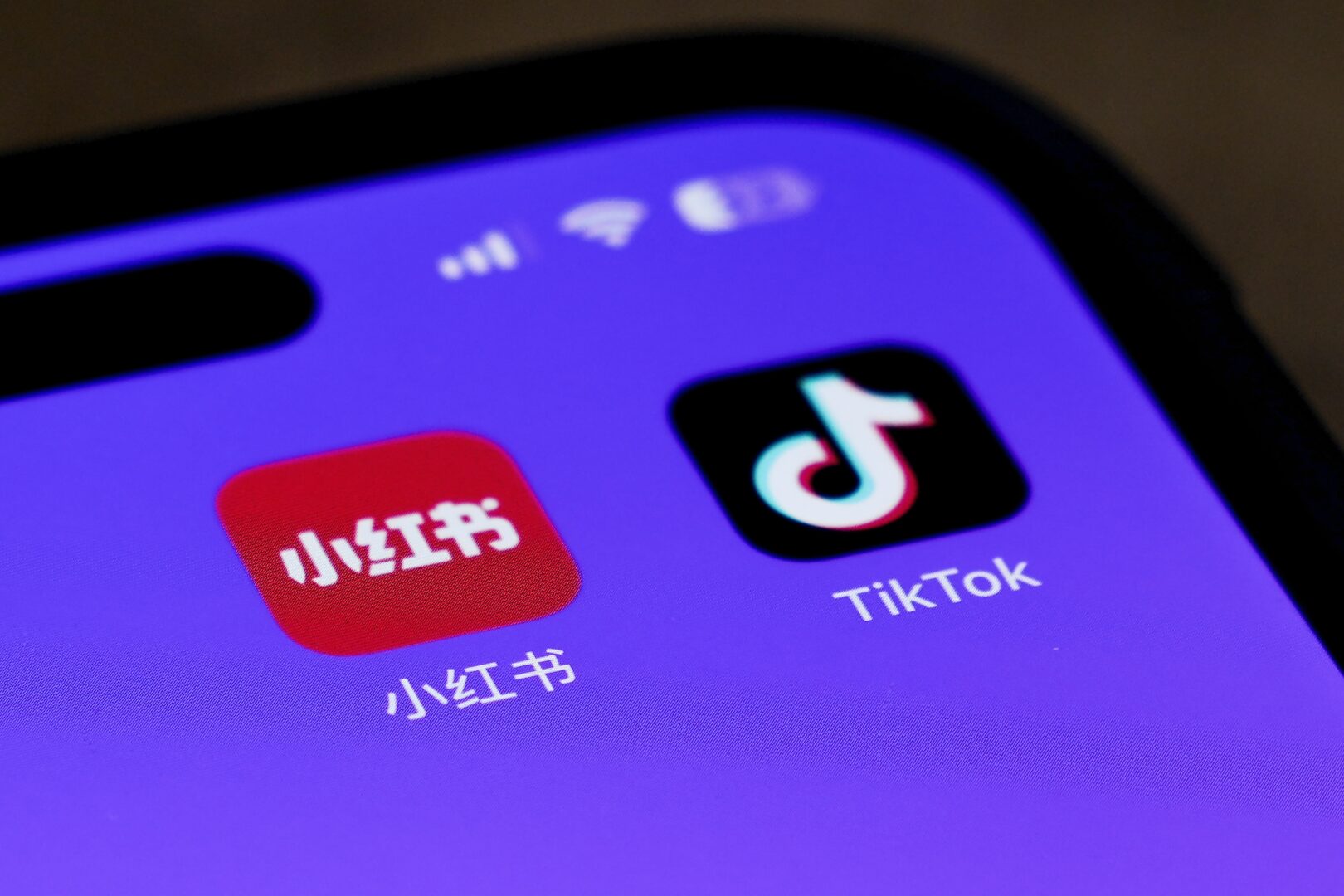
Alongside WeChat, many other apps reflect this integrated “all-in-one” mindset. Xiaohongshu (also known as RedNote or “Little Red Book”) is a social network that blends social content with e-commerce functions. With over 300 million monthly active users, Xiaohongshu works like a vast collective diary of recommendations: users post “notes” with text, photos, and videos about clothes, cosmetics, and travel.
Each post is at once a review, a tutorial, and often a direct link to the product, which does not redirect to an external website, as we are still used to seeing on Instagram today, but instead leads straight to the purchase. The Chinese model is not just about technology, but about an approach focused on concentrating services and reducing the number of steps between platforms.
This digital leap has been facilitated by several unique factors. In China, the very limited spread of credit cards made it possible to leap directly from cash to smartphones. At the same time, a particularly favorable regulatory and social infrastructure accelerated the process: the government invested heavily in digital infrastructure (from 5G networks to artificial intelligence courses in schools) and experimented on a large scale with innovative services.
For example, China is already introducing its own digital currency (the so-called electronic yuan) in many cities, further simplifying electronic payments. Smart cities are also already a concrete reality: hundreds of Chinese cities are testing traffic management systems based on algorithms, autonomous vehicles, “intelligent” traffic lights, and real-time monitoring of public transport.
What until a few years ago seemed like science fiction — living in a city that is “digital by default” — has now become everyday routine for Chinese people. The smartphone has become a constant interface for every essential service, from unified login for digital identity documents to the immediate booking of a bus or a hospital appointment.
If today leaving the house without a mobile phone in our pocket is sometimes unthinkable for us, in China it has already become impossible, and it is easy to understand why many innovations already seem ready there while here they are still as complicated as helping one’s parents recover their SPID.
Camilla Fatticcioni