


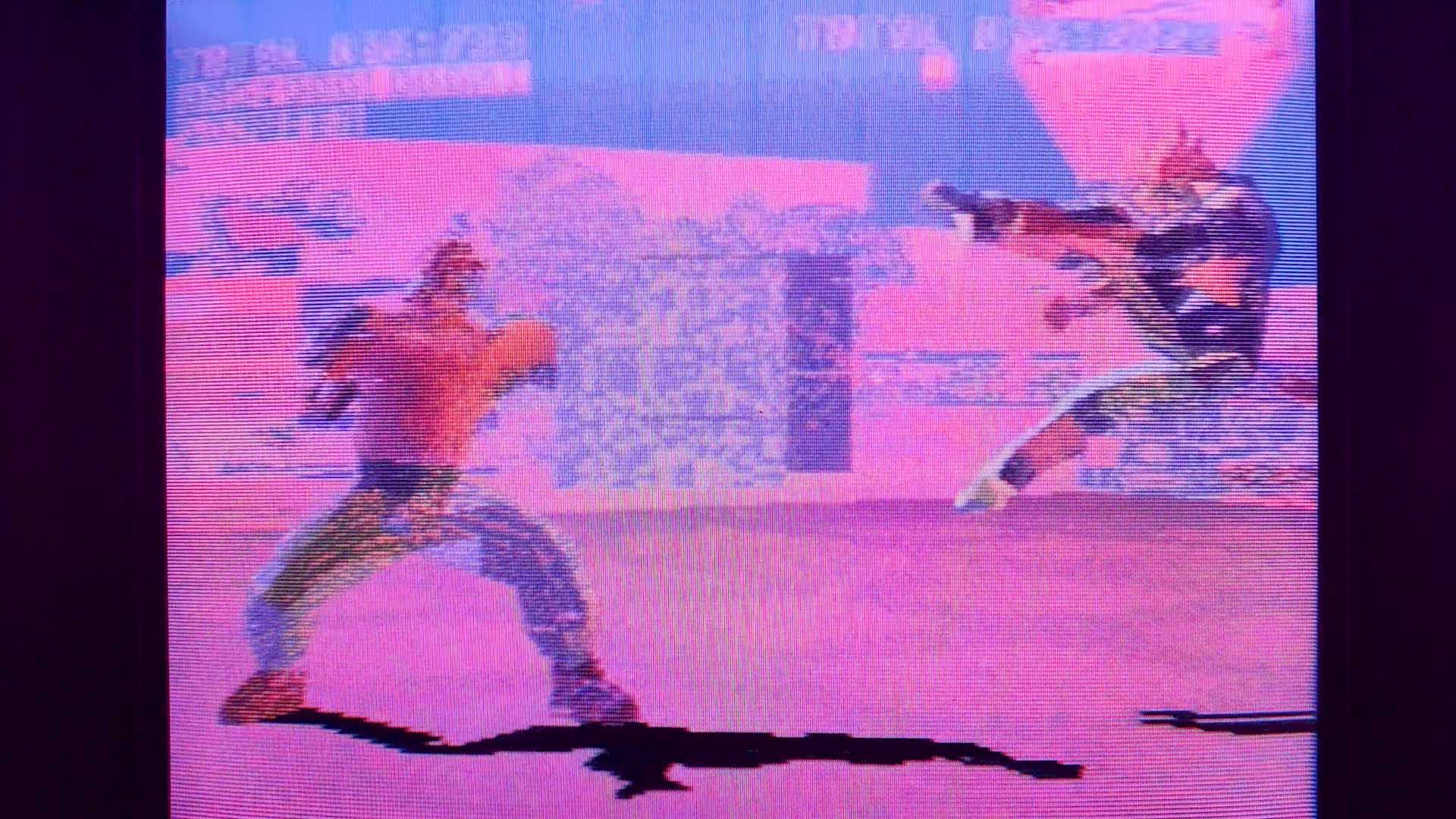
Circuit bending is the practice of modifying the circuits of electronic devices to create connections that were not originally designed, and therefore new outputs. It starts in the audio field, on musical toys and synthesizers, then expands to video equipment and finally to video game consoles. We can, for example, solder new connections between the console’s circuits and add keys and buttons to activate them at will, generating real-time video glitches while the game is running.
“My first attempt with consoles was the PlayStation,” Jacopo “Pushkar Brand” Condò tells us. “At the time it had never been modified before, even though LoFi Future was working on it in Germany at the same time, and that’s how we started exchanging information.” Circuit bending is in fact a collective and collaborative practice, in which knowledge is shared freely.
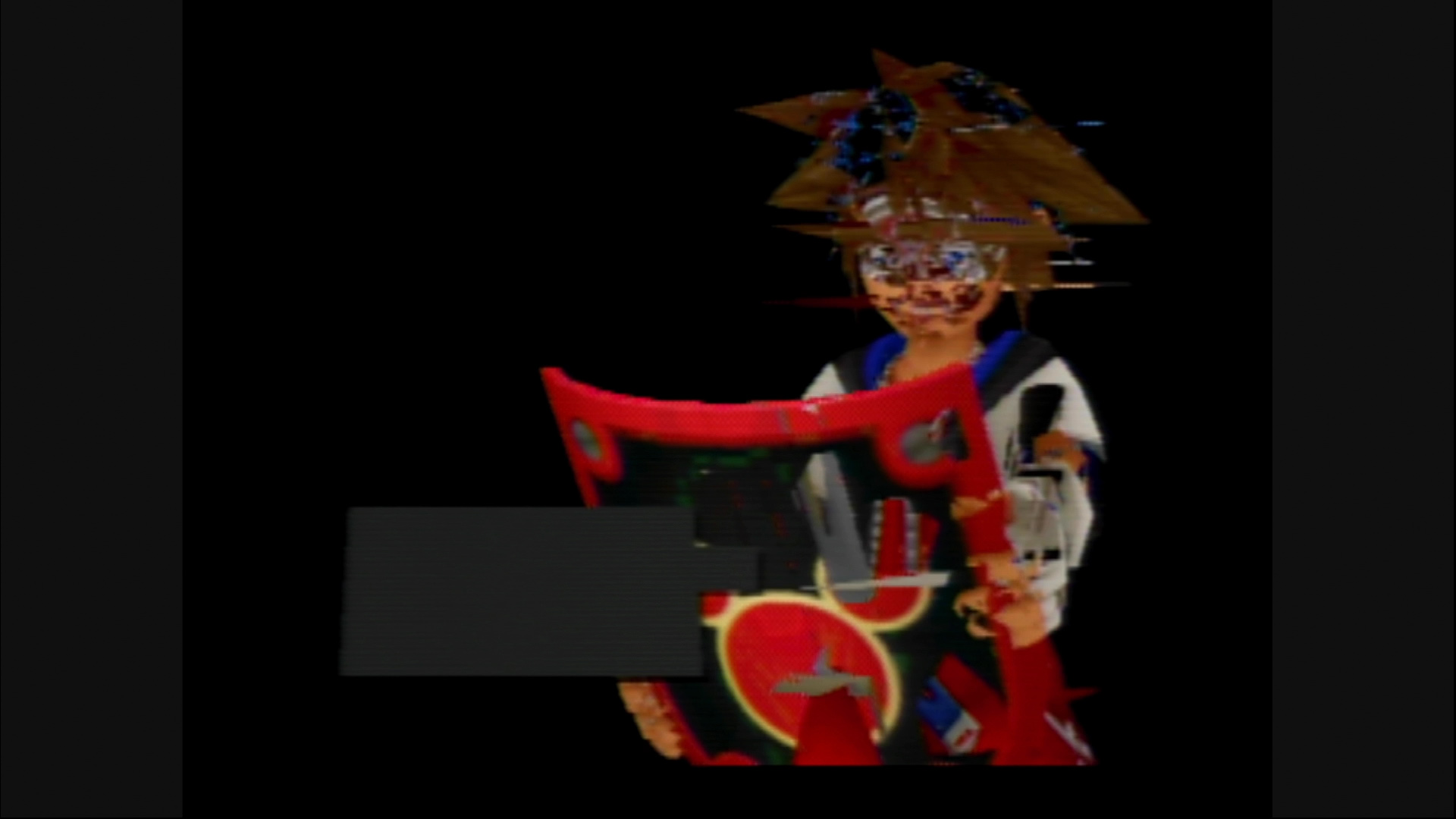
“I like making different machines interact. Maybe a signal starts from a modular synthesizer when there’s a snare drum hit, it reaches the PlayStation 2 and triggers a certain glitch,” continues Condò, who stumbled upon circuit bending while searching for a visual aesthetic consistent with his music. “There’s still a lot to explore and that’s what’s interesting to me.” Among other things, only a few people are experimenting in this field: in addition to Pushkar Brand and LoFi Future, Condò mentions the U.S. projects BPMC Glitch (Oregon), Gleix (New York), DrugsTM (California), and Tachyons+ (Florida).
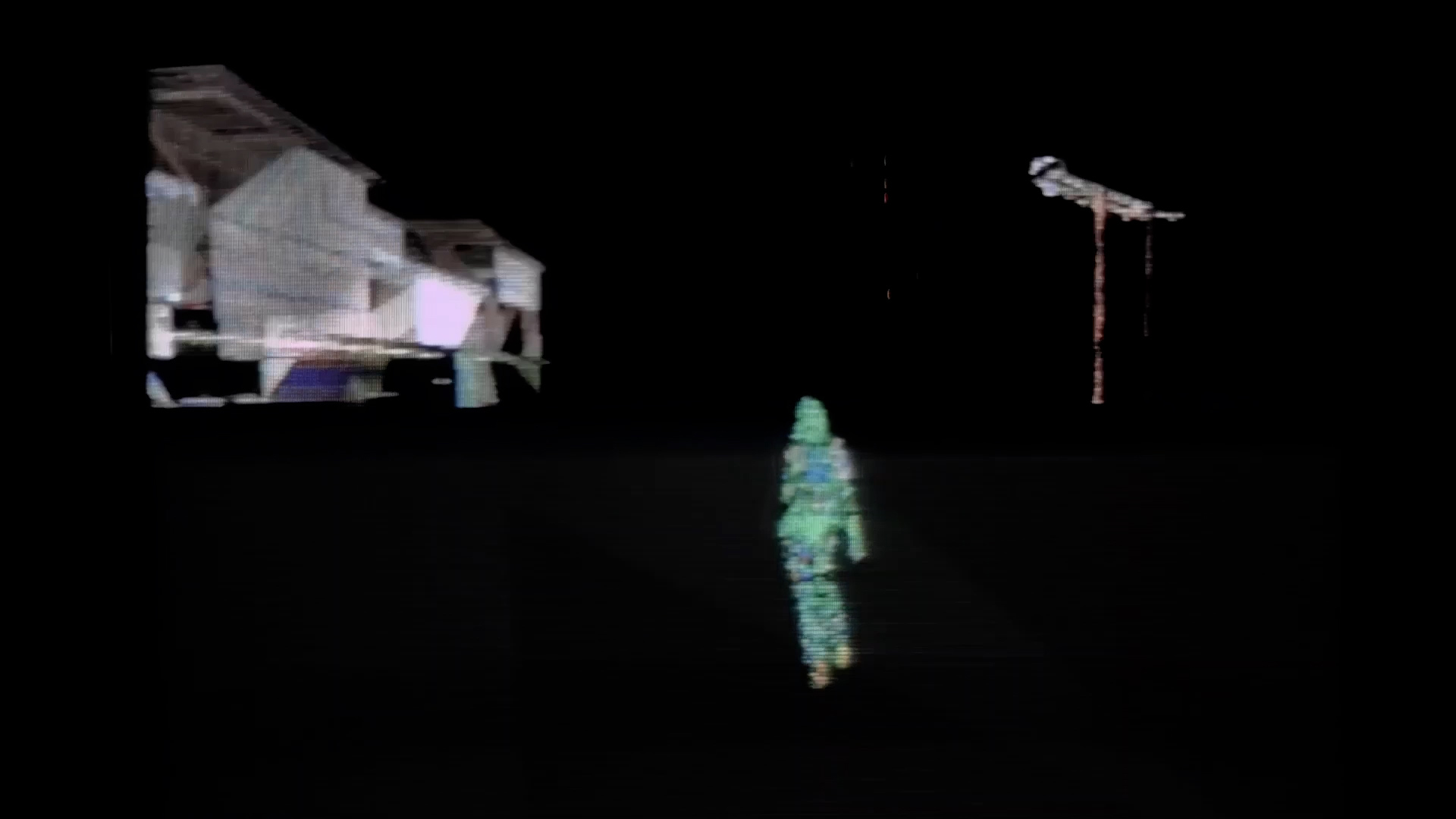
With circuit bending we play with the machine and learn to understand it by taking it away from the control of industry and the market. But we also accept that we don’t have full control over it either: what we do is open up these devices, freeing potential they already have but that wasn’t foreseen by those who built them. “I see analogies with human identity,” Condò concludes. “With the idea that we have a specific role while inside us there’s a sea of potential that is normally considered just errors.”
Matteo Lupetti writes about art criticism, digital art and video games in publications such as Artribune and Il Manifesto and abroad. He has been on the editorial board of the radical magazine menelique and the artistic direction of the reality narrations festival Cretecon. His first book is ‘UDO. Guida ai videogiochi nell’Antropocene’ (Nuove Sido, Genoa, 2023), a reinterpretation of the video game medium in the age of climate change and within the new multidisciplinary paths that foreground the non-human and its agency.