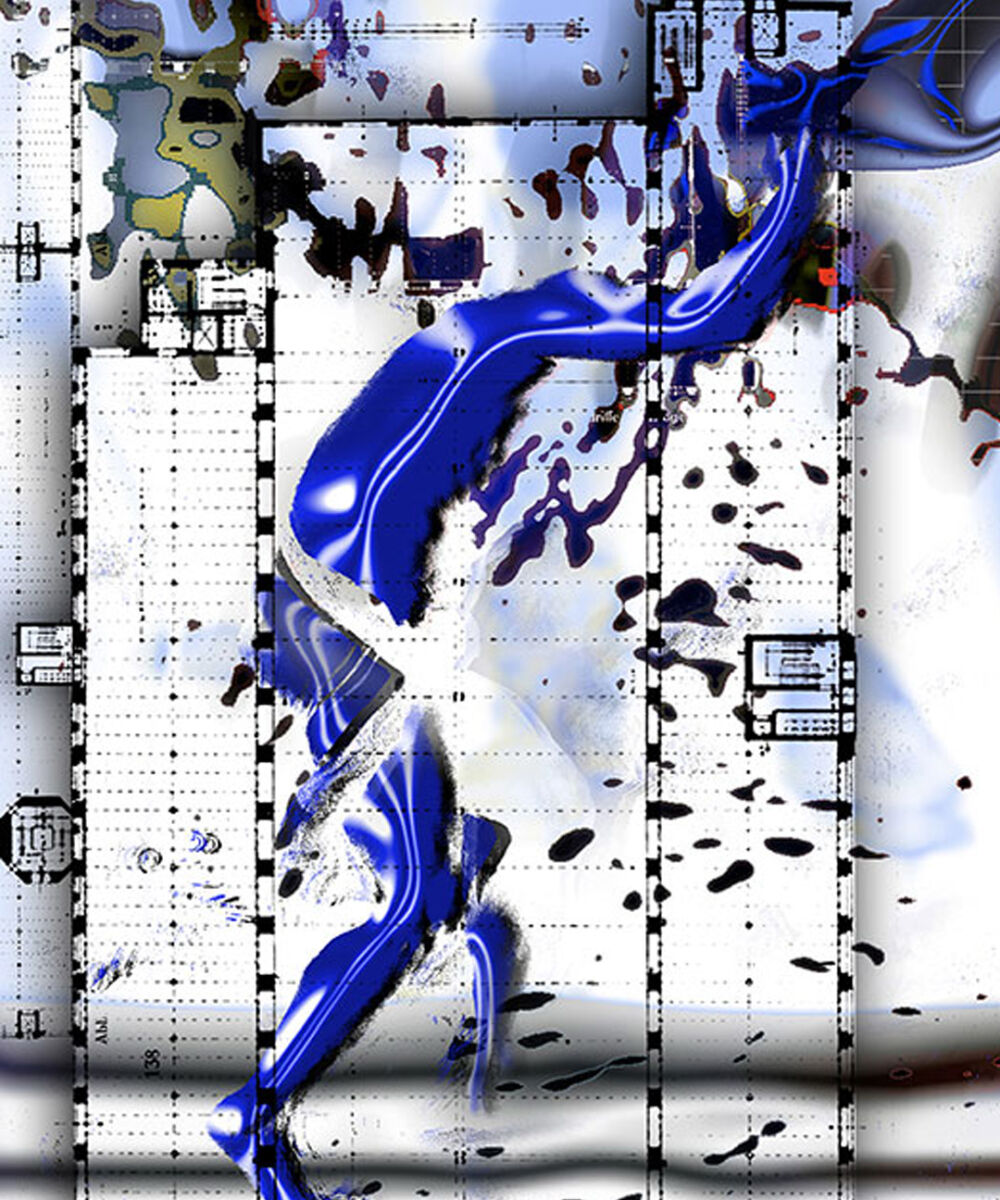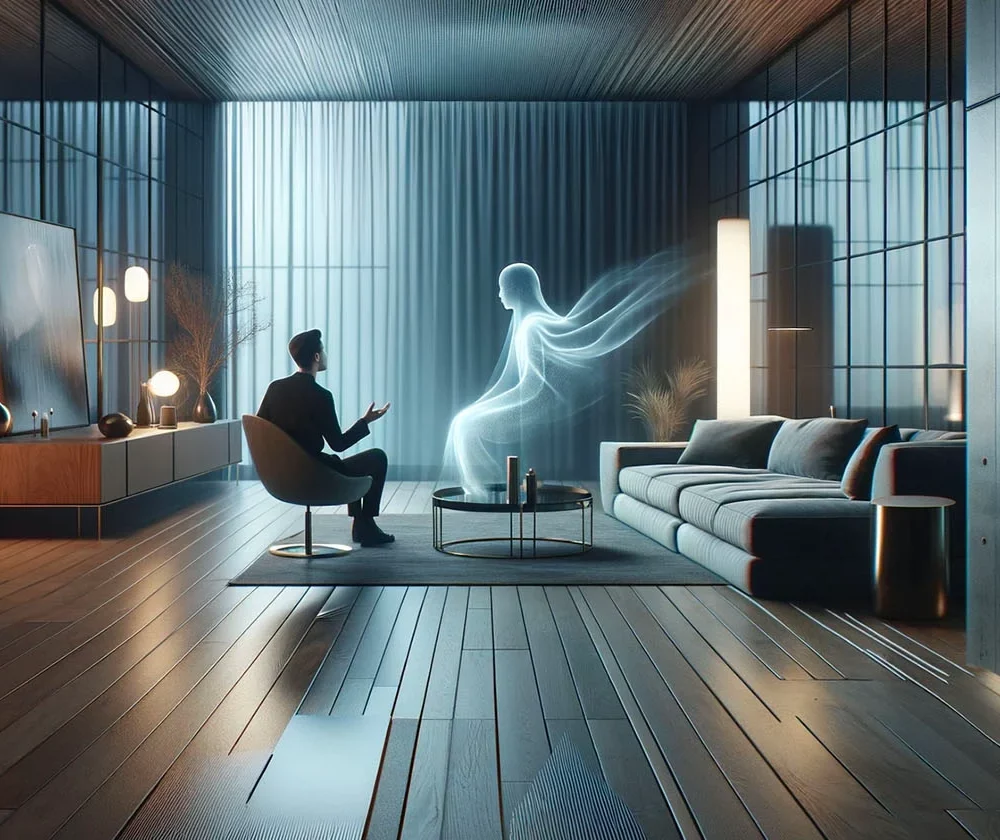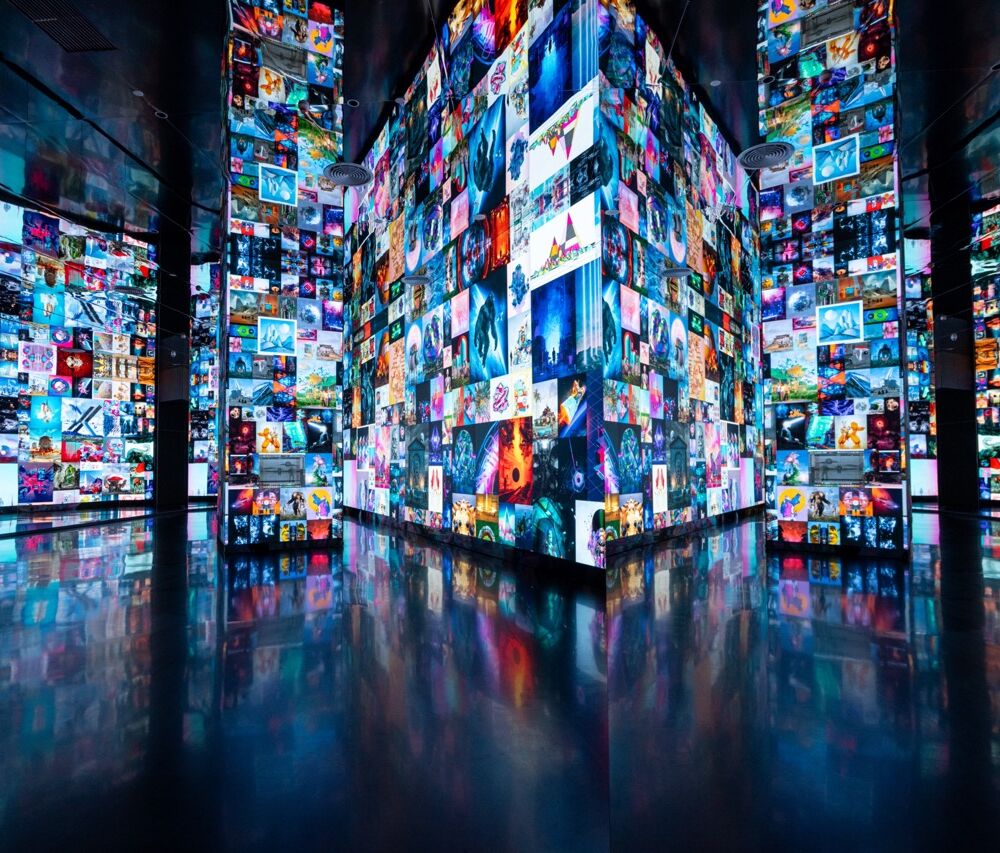
Certain physical entities are so vast in time and space that they transcend human perceptual and cognitive scales. These are hyperobjects, as philosopher Timothy Morton defines them, whose exact extent and precise boundaries elude us: phenomena such as climate change, ocean pollution, or biodiversity loss, whose effects are not visible over a single lifetime but manifest over dozens of generations. Consequently, these phenomena operate on scales that exceed direct human experience, impeding full awareness of the consequences of our actions.
Although they are beyond immediate comprehension, creating new metaphors and images to visualize them is crucial to addressing the ecological crisis. Consider, for example, greenhouse gases accumulating in the atmosphere or microplastics invading the oceans. These are entities we cannot see with the naked eye, yet they profoundly impact life on Earth. The ability to visualize them allows complex data and processes to be translated into comprehensible images, making the issues tied to the ecological crisis more tangible.
Furthermore, visualizing hyperobjects helps overcome the fragmentation of time and space. These phenomena operate on scales that challenge our daily perception, but representational toolswhether artistic, technological, or scientificenable us to expand our field of vision and grasp the connections between local actions and their global effects.
In confronting the enormity of hyperobjects, the very concept of human undergoes profound transformation. Recognizing that we are part of an interconnected system, where our actions have global consequences, implies abandoning the notion of humanity as the center of the world. Visualizing these phenomena compels us to rethink our role, not as masters of nature but as beings limited in time and space, a minute part of a fragile and interdependent equilibrium.
A crucial aspect is the role visualization plays in fostering a new ethic of responsibility. Clearly and comprehensibly showing the impact of our actions can stimulate empathy and awareness, driving us to feel responsible not only for our present but also for the planet’s future. This challenge largely falls into the hands of artists, who, through the use of digital technologies, engage with the complexity of these phenomena, redefining human perception and our relationship with geological temporality.
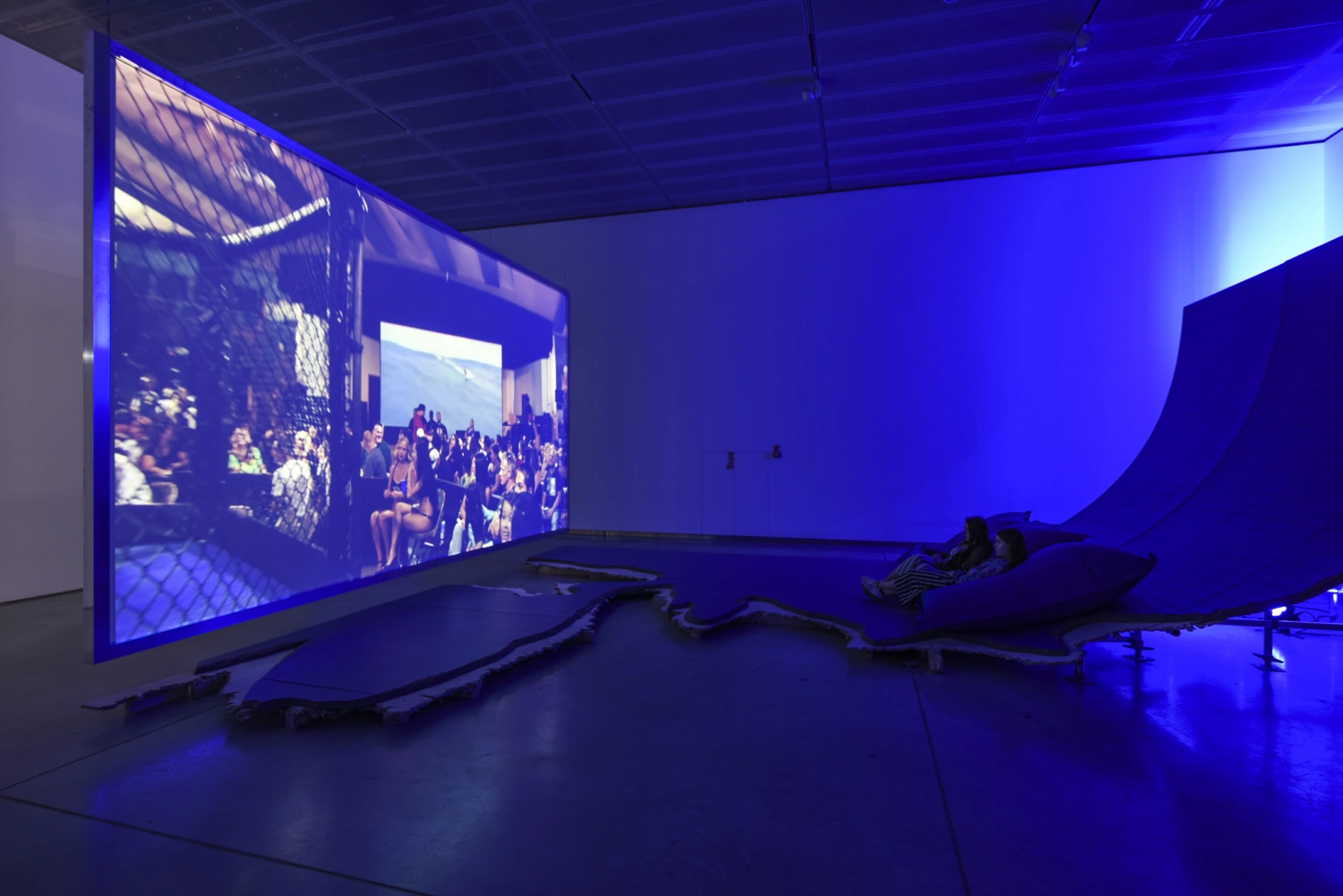
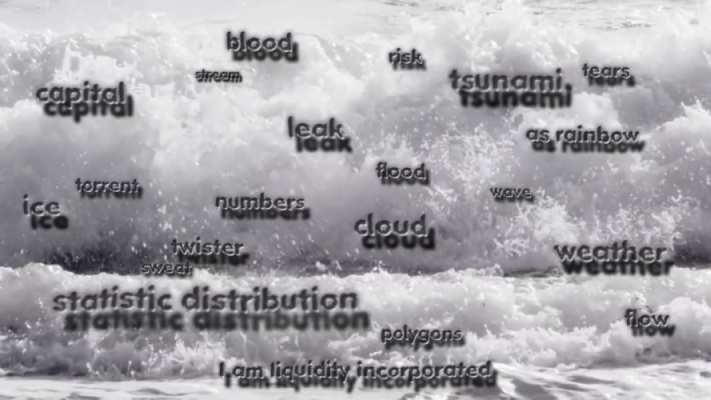
An example is Hito Steyerls Liquidity Inc. (2014), which addresses the elusive and interconnected nature of global systems. The video installation tells the story of Jacob Wood, a financial analyst who becomes a mixed martial arts fighter after losing his job in the 2008 crash. Featuring computer-generated waves and images of hurricanes, the work uses water and extreme weather as metaphors for the fluidity of financial assets, digital information, and collective instability. The concept of liquidity encapsulates the instability of global economies and environmental transformations, presenting them as hyperobjects that cannot be contained or explained by linear narratives. The work thus reflects on how digital technology can simulate the experience of being immersed in systems too vast to comprehend.
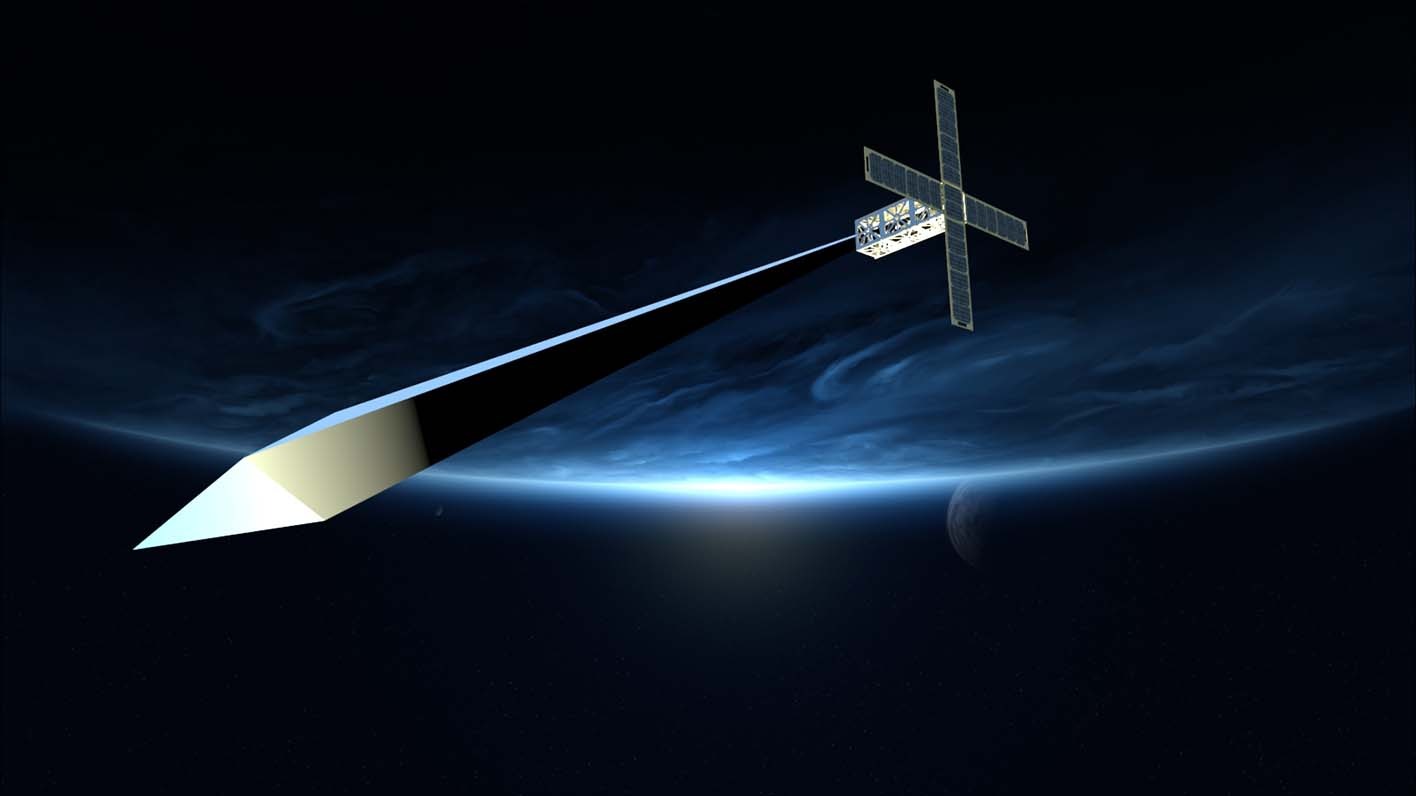
Similarly, in Orbital Reflector (2018), Trevor Paglen brings art into space, making visible the invisible infrastructure of Earths orbits. The artistic satellite, designed to reflect sunlight, invites us to reconsider human impact beyond Earths boundaries. The sculpturemade of lightweight, highly reflective polyethylene and housed in a small box-shaped satellitewas intended to be launched into space, becoming an artificial star as bright as those of the Big Dipper. Paglens project emphasizes the idea of humanity extending its impact far beyond its understanding, transforming space into a hyperobject that reflects both our creative potential and our ecological responsibilities.
The geological and historical consequences of nuclear testing in the Pacific are the focus of As We Used to Float (2018) by Julian Charrière, a work that combines underwater imagery capturing traces of human activity on once-pristine ecosystems, blending historical memory with geological time. Through evocative use of digital technologies, Charrière prompts reflection on the irreversibility of environmental transformations. The work highlights how the concept of human dissolves in the face of deep time and the awareness that our actions have effects far beyond our temporal existence.
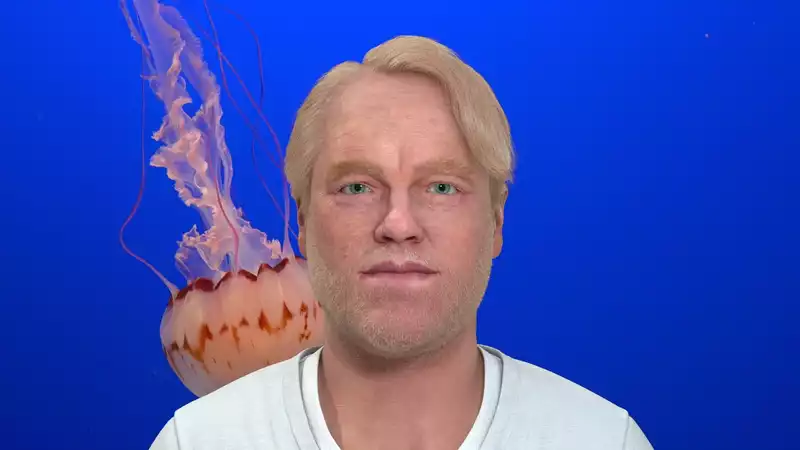
The intersection of human identity and digital temporality is central to Cécile B. Evans Hyperlinks or It Didnt Happen (2014). The video installation, featuring a CGI version of Philip Seymour Hoffman, explores digitization as a process that transforms memory and time, creating collective entities that persist as hyperobjects in cyberspace. Through a fragmented and nonlinear narrative, Evans represents the fluidity of identity and memory in the digital age, showing how digital networks amplify our perception of infinity. With disarming effectiveness, this work redefines humanity as part of a system where digital technology and ecological forces intertwine, challenging traditional notions of autonomy and control.
In conclusion, the works of these artists are just a few examples demonstrating how technology, in the hands of artists, is one of the most effective tools for addressing hyperobjects, making visible what exceeds human comprehension. Through visual metaphors, immersive representations, and innovative use of new media, these artists invite us to confront the interdependence between humanity and the environment, redefining our place in geological time and the cosmos. Today, the challenge of visualizing the immeasurable forces us to rethink not only the concept of humanity but also how we can act responsibly in a world dominated by forces beyond us
Is an art historian specialising in art and new technologies and new media aesthetics. Since 2019 she has been collaborating with Artribune (for which she is currently in charge of new media content). In 2020 she founded Chiasmo Magazine, an independent and self-funded Contemporary Art magazine. From 2023 he is web editor for Sky Arte, and from the same year he takes care, for art-frame, of the column New Media, dedicated to digital art.