


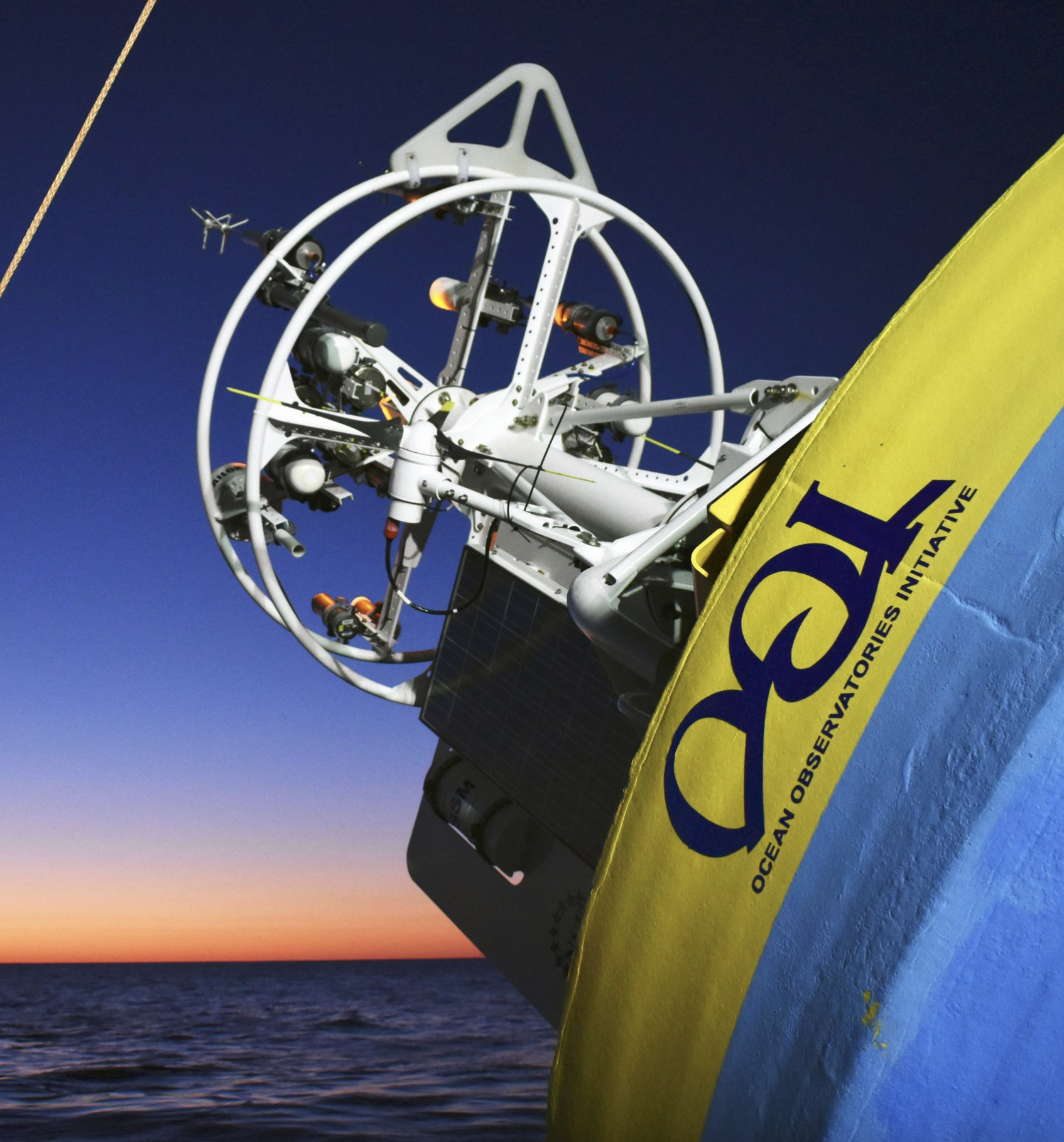
The oceans are the planet’s main climate regulator: they absorb around 25% of the anthropogenic carbon dioxide emitted each year and more than 90% of the excess heat accumulated by Earth as a result of global warming. Yet, just as climate change is accelerating, a debate has opened in the United States over a federal plan concerning one of the most important tools for understanding the health of the seas: the ocean monitoring system.
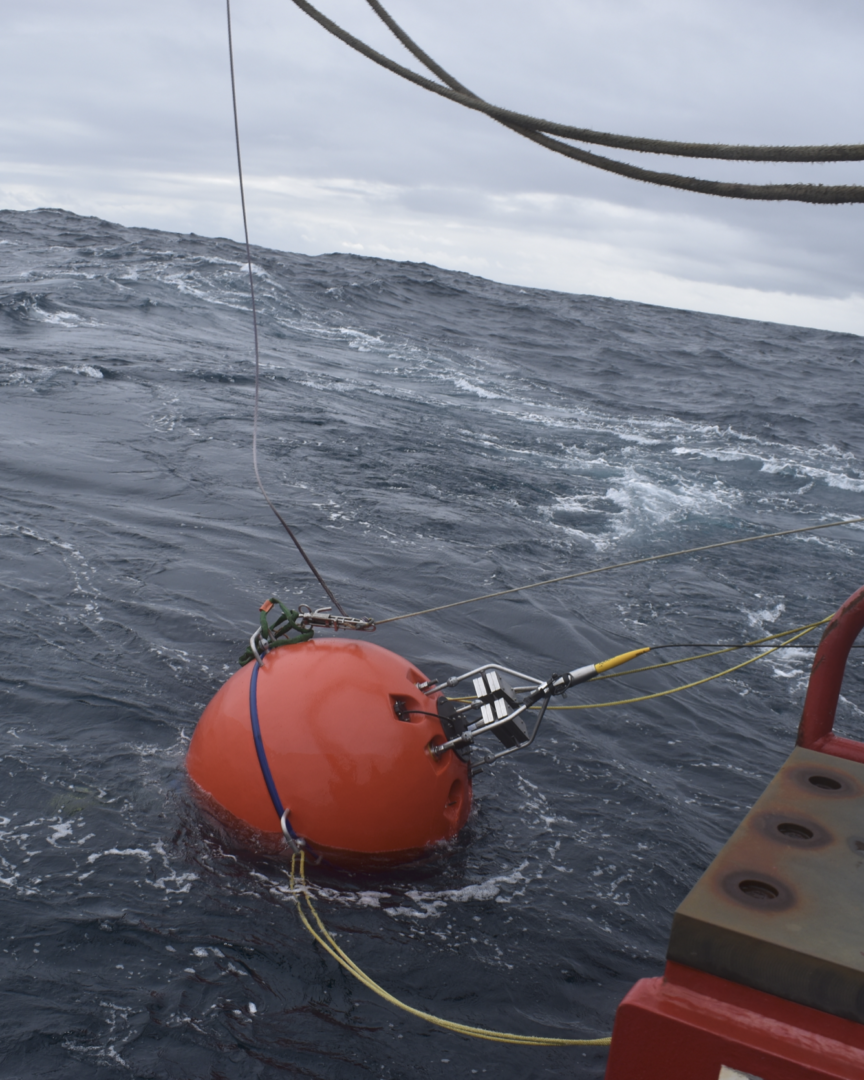
The Trump administration is, in fact, considering a major overhaul of the Ocean Observatories Initiative (OOI), a vast oceanographic monitoring infrastructure funded by the U.S. National Science Foundation (NSF), with an overall value of approximately $368 million. The system combines an extensive network of underwater systems, autonomous underwater vehicles and anchored surface platforms, with the aim of collecting continuous ocean data and making them available to researchers, policymakers, educators and maritime-sector operators around the world.
The initiative, which extends along both U.S. coasts and into areas of the North Atlantic and the Southern Ocean, has been used to study key phenomena such as marine heatwaves, harmful algal blooms, seismic activity in subduction zones, ocean acidification and fishery dynamics. Any downsizing or dismantling of the system would result in the loss of an essential component of the Global Ocean Observing System (GOOS), a United Nations-coordinated system through which various countries collect ocean data for weather and climate purposes. It could also compromise estimates of ocean heat, which are fundamental for weather forecasting, El Niño predictions and fisheries management.
This is precisely why the news immediately raised concern within the scientific community. According to a study published in Nature, dismantling the system would significantly increase uncertainty in annual estimates of the ocean warming rate.
Speich, a co-author of the study, said: “Ocean heat content is the most reliable indicator of climate change we have, not only for what happens in the ocean, but also across the entire climate system. Vertical temperature profiles, which provide ocean heat content, are among the simplest measurements we can make,” she added.
“Forecasts would continue, but they would deteriorate, sometimes dangerously. Atmospheric observations alone are not enough,” Speich continued. “Ocean data are essential for early warning systems for tropical storms, cyclones and El Niño. And the consequences would not be limited to science: the economic costs would be felt in the United States itself, from agriculture and insurance to emergency management.”
It is no coincidence that the latest El Niño episode, which developed between 2023 and 2024, was classified among the five strongest ever recorded and contributed to the record rise in global temperatures observed in 2024. This is because forecasts related to climate phenomena such as El Niño are used by farmers in the United States and across much of South America to plan planting and harvests months in advance. The ability to predict periods of drought or exceptional rainfall influences many agricultural decisions and represents an essential tool for reducing economic losses.
Not to mention the fact that removing U.S. observations alone from the global monitoring network would lead to a 163% increase in the error of annual ocean warming estimates. This figure clearly highlights the strategic role played by American observation infrastructure within the international data collection system.
The numbers do appear to support this view. According to data from the National Oceanic and Atmospheric Administration (NOAA), between 1980 and 2024, the United States recorded more than 400 climate and weather disasters causing damages of over one billion dollars each. In 2024 alone, the overall cost of these events reached around $177 billion. Paradoxically, the well-known federal database that tracked these extreme events will no longer be updated, a decision the agency attributed to a shift in institutional priorities.
The concerns of the scientific community are also shared by John P. Abraham, professor of engineering at the University of St. Thomas in Minnesota and co-author of the study. Abraham described the possible dismantling of the OOI as “a short-term saving that risks turning into a huge expense in the long run.”
“The U.S. government wants to save less than a billion dollars by eliminating sensors that represent the eyes and ears of the ocean,” he explained. “We have hundreds of billions of dollars in climate costs every year. The cost of the observing system is a fraction of the climate costs caused by hurricanes and storms hitting the United States.”
There is one positive aspect to this whole affair: the European Union has confirmed a €92 million investment in the OceanEye project, more than half of which will be allocated specifically to the Global Ocean Observing System.
This contrast highlights how ocean monitoring is now considered a strategic component not only for scientific research, but also for managing climate risks and the economic activities that depend on the sea. Beyond the immediate consequences for weather and climate forecasting, the matter raises a broader issue: the need to maintain a global, coordinated and continuous observation network.
The oceans cover more than 70% of Earth’s surface, and many of the processes affecting them occur far from coasts and below the surface, in areas that cannot be monitored solely through satellite observations. For this reason, detection infrastructures distributed across the world’s seas represent an essential component of contemporary environmental research. In a context of increasingly rapid climate change, reducing observation capacity also means limiting our ability to understand precisely how the Earth system is evolving and to build effective responses to challenges that, by their very nature, do not respect national borders.
Alessia Mircoli