


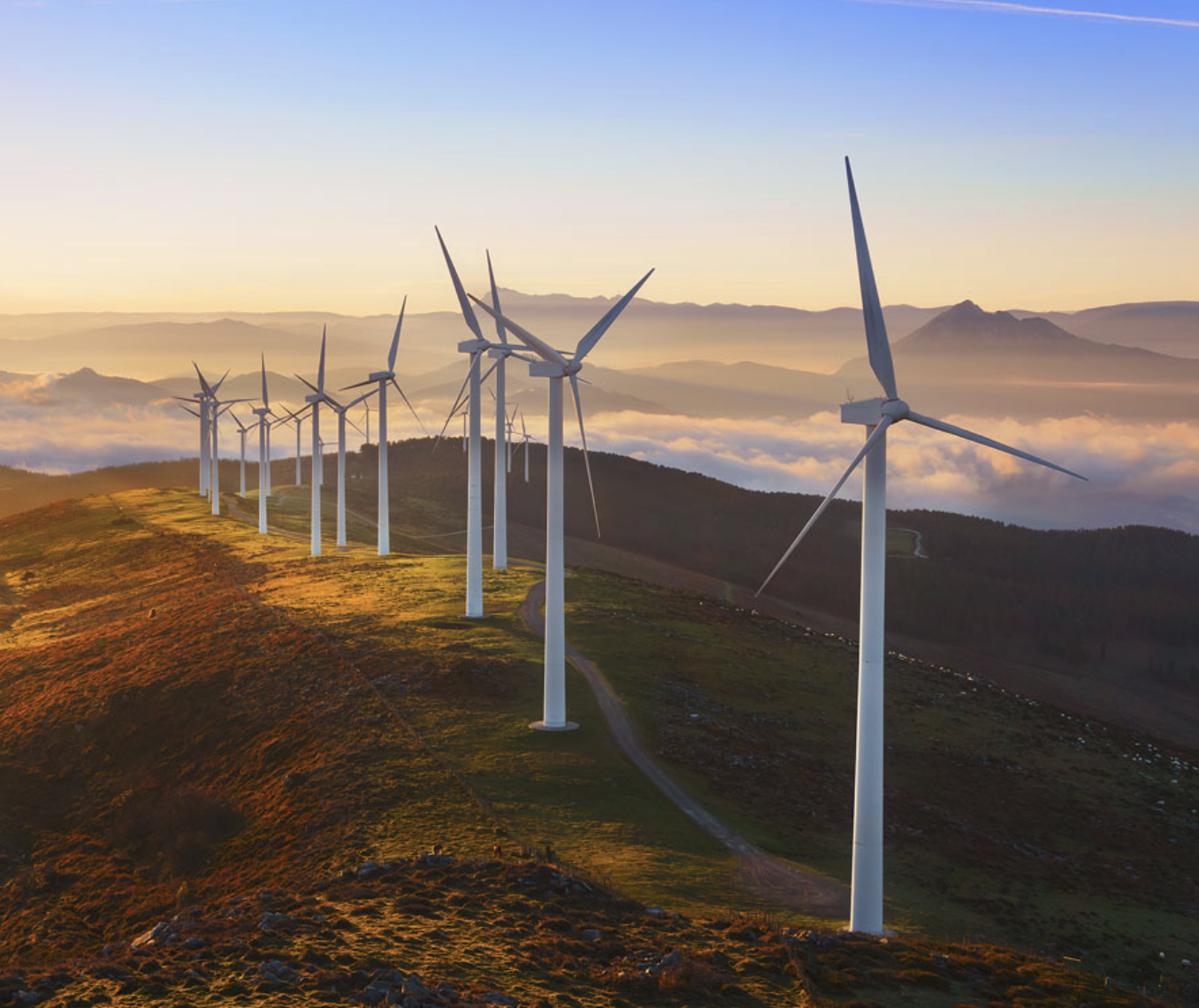
For years, the energy transition was presented almost exclusively as a way to reduce greenhouse gas emissions and tackle climate change. In recent months, however, Spain has been demonstrating another, often underestimated benefit of renewable energy: its ability to protect a country from international energy crises. As renewed geopolitical tensions in the Middle East have once again put pressure on gas and oil markets, Spanish consumers have faced far smaller price increases than those in other European countries. This is no coincidence, but the result of a transformation of the electricity system that began years ago and accelerated after the energy crisis triggered by Russia’s invasion of Ukraine.
Looking back, the Iberian Peninsula has seen an unprecedented expansion of solar photovoltaic and wind power installations since 2022, although growth in wind capacity has been more limited. Initially, this development only partially cushioned the shock caused by Russia’s invasion of Ukraine because the necessary infrastructure was still being completed. During the recent turmoil in the Middle East, however, it proved to be a formidable defence. Despite heavy bombing and serious concerns over a complete closure of the Strait of Hormuz, a crucial chokepoint that in the past would have sent shockwaves through markets worldwide, Spanish citizens benefited from what amounted to a genuine shield against higher electricity prices. This is documented in detail by an analysis from the prestigious British think tank Ember, according to which Spain’s sustainable shift has effectively insulated the country from rising electricity costs, saving each household an average of ten euros per month.
The gap between Spain and the rest of the continent has been clear and, in some respects, surprising. While other European countries have once again had to contend with the impact of gas prices on wholesale electricity rates, Spain has been able to rely on a crucial ally: exceptionally favourable spring weather. The conflict in Iran unfolded during a particularly favourable season in Spain for wind, solar and hydroelectric power, which worked together to replace gas-fired generation. The high water levels in reservoirs also made a decisive contribution, reaching their highest point following an autumn and winter marked by record rainfall. These climatic conditions created a perfect storm, but one with the opposite effect from those of the past, allowing clean energy sources to generate electricity at extremely low cost and eliminating the need to burn fossil fuels.
Ember’s data reveal a genuine reversal of the previous trend and show how the structural relationships within the market are changing. During the first five months of 2026, gas set electricity prices for only 9% of total hours, compared with a dramatic 52% during the same period in 2021. This sharp retreat of fossil-fuel generation is mainly attributable to a 37% increase in green electricity production between 2021 and 2025. The declining influence of natural gas on Spain’s electricity system is a sign of growing independence, which is being strengthened further in recent months by the widespread adoption of energy storage systems and next-generation batteries capable of stabilising the grid even when sunlight is unavailable.
Without this structural transformation, the surge in gas prices that began in March as a result of international tensions would have increased electricity bills for Spanish households on regulated tariffs by around 19%. By breaking the direct link between natural gas prices and the cost of electricity, Spain and Portugal secured places among Europe’s three cheapest electricity markets during the first months of 2026. This situation stands in stark contrast to Italy, whose strong and long-standing dependence on conventional fuels pushed average electricity prices in March to €143 per megawatt-hour, exactly three times the €42 recorded in Spain during the same month. This price gap does not merely represent savings for households. It also gives Spanish companies a major competitive advantage over their Italian counterparts.
In recent months, numerous international energy and climate experts have cited Spain as a global example of the tangible benefits that can be achieved by moving away from fossil fuels. In March, Simon Stiell, Executive Secretary of the United Nations Framework Convention on Climate Change, praised the Iberian model, describing it as a global benchmark for decarbonisation. Stiell noted that solar and wind power, supported by the collapse in battery technology costs, now offer far greater security and economic value than any fossil-fuel source. The UN’s argument is clear: abandoning fossil fuels is no longer merely a moral duty towards the planet, but a strategy driven by straightforward economic self-interest, benefiting both public finances and citizens’ household budgets.
The path towards energy independence has nevertheless had to overcome severe challenges and periods of intense domestic tension. The most striking example was the massive blackout of April 2025, which left more than 60 million people across Spain and Portugal without electricity and handed supporters of nuclear power and traditional fuels an easy opportunity to attack the intermittency of clean energy sources. Ember’s report stresses, however, that despite the scale of the incident, the growth of renewable energy retained its momentum. Since then, combined monthly wind and solar generation has remained stable at an average of 1.3 gigawatt-hours, a figure even higher than that recorded the previous year, demonstrating that the incident did not deter investment.
On the contrary, the blackout crisis prompted institutions to introduce regulatory reforms aimed at unlocking the development of battery storage systems, whose capacity is expected to quadruple by the end of 2026. Experts from Fundación Renovables emphasise that this is only the beginning. By removing the remaining gas-related emergency protocols, which were introduced temporarily to manage grid instability after the 2025 blackout, and by updating grid regulations, the savings for citizens could become even greater. With many renewable energy facilities already technically capable of maintaining voltage stability and the large-scale expansion of batteries on the horizon, Spain is turning its initial defensive shield into a form of structural protection. The “Swiss Army knife” of energy storage will help overcome the remaining obstacles, demonstrating to the world that energy autonomy is the best insurance policy against the next inevitable geopolitical storms.
Alessia Mircoli