


Artificial intelligence can seem almost weightless: invisible algorithms, conversational chatbots, images generated in seconds, servers humming somewhere in the cloud. The infrastructure behind it is anything but.
Every prompt and every newly trained language model depends on a vast network of data centers whose appetite for electricity is growing rapidly. In the United States, that building boom is raising concerns about public health, widening a debate that has largely focused on jobs, water consumption and the promise of technological progress.
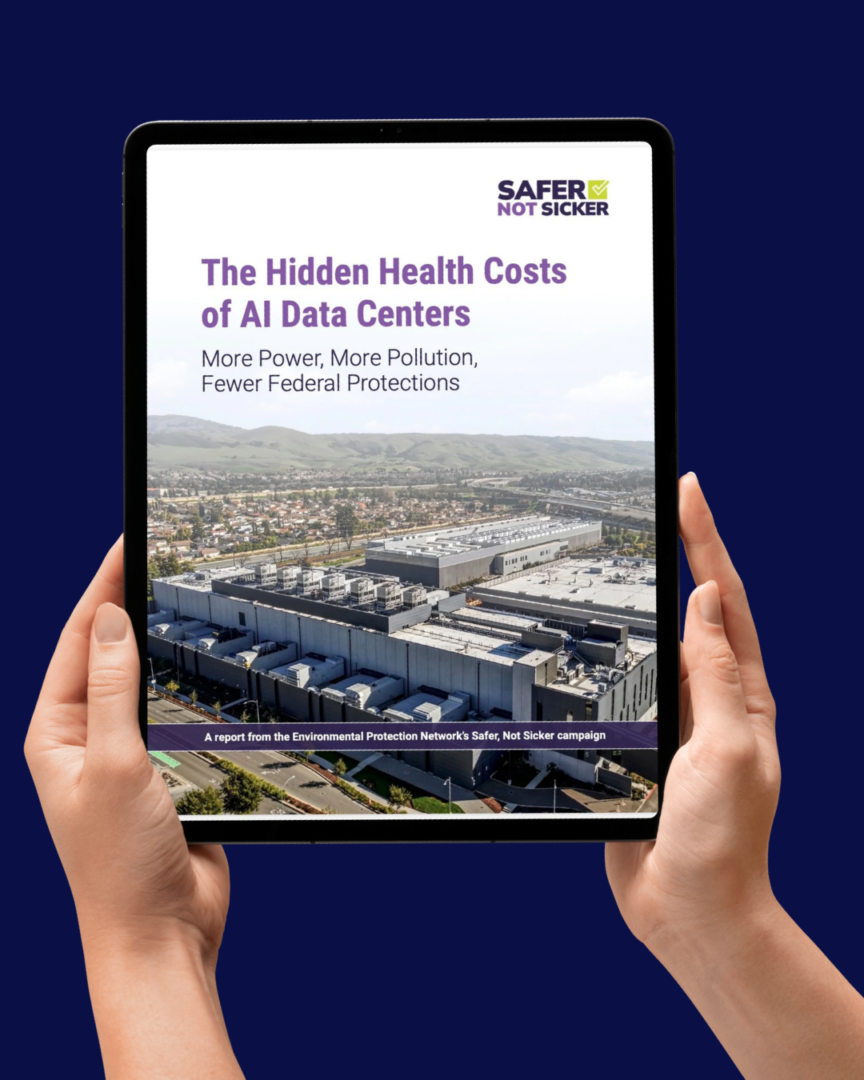
A report from the Environmental Protection Network, an independent organization of more than 800 former Environmental Protection Agency employees and experts, offers a stark warning: The costs of expanding the nation’s computing infrastructure could fall on Americans’ lungs and the health care system.
The reason is straightforward. The enormous demand for electricity is not being met by clean energy alone. It is also driving greater reliance on gas-fired power plants, combustion turbines and backup diesel generators.
Academic modeling cited in the report projects that, by 2028, air pollution associated with powering data centers could impose more than $20 billion a year in health-related costs. The estimated human toll includes roughly 600,000 episodes of asthma symptoms and about 1,300 premature deaths annually.
More than 90 percent of those health effects would occur around the fossil-fuel power plants supplying the electricity, rather than necessarily in the immediate vicinity of the data centers themselves.
These are projections, not a tally of illnesses and deaths already recorded in hospitals. They describe what could happen in the coming years. But they point to a clear trajectory.
The energy demands of artificial intelligence are also colliding with changes in federal environmental policy. The Environmental Protection Network identified 30 actions and regulatory initiatives by the Trump administration that, in the group’s assessment, could sharply weaken pollution protections or rush approvals for new energy infrastructure.
Among the measures it challenges are relaxed rules for backup diesel generators, procedures that would allow construction to begin before facilities have secured all required air pollution permits, and exemptions for off-grid gas-fired power plants from federal acid rain limits.
Other measures would make it easier to restart coal- and gas-fired plants that have been idle for years. The group also points to efforts to repeal carbon emissions standards and restrictions on some wind and solar projects.
Dr. Lynn Goldman, a pediatrician, former EPA assistant administrator and dean emerita of George Washington University’s Milken Institute School of Public Health, has expressed concern about the role federal agencies are playing.
Weakening safeguards against pollution in the name of technological competition, she argues, means making decisions that will directly affect the air Americans breathe, the water they drink and even the food supply.
Marc Boom, a former EPA policy adviser, makes a related point: Promises to protect household finances should extend to the costs of ill health. If the administration says families should not face higher electricity bills because of artificial intelligence, he argues, the same principle should apply to medical expenses and illnesses caused by the pollution that accompanies its expansion.
There is also the question of who will enforce the rules that remain.
Larry Starfield, a former senior official in the EPA’s enforcement office, has warned that agency staffing is at its lowest level in four decades. With fewer inspectors in the field and reviews becoming faster and less thorough, the agency’s ability to oversee hundreds of new data centers and their associated power plants is inevitably diminished.
Shaolei Ren, a professor of electrical and computer engineering at the University of California, Riverside, who led the analyses cited by the Environmental Protection Network, cautions that the current estimates may understate the eventual toll. The models do not account for the recent rollback of environmental regulations. The consequences for public health, he says, could be considerably worse.
Professor Ren also identifies a gap in the way technology companies describe their environmental footprint.
The companies regularly publish figures on energy use and greenhouse gas emissions, often alongside investments in clean power intended to offset those emissions. Local air pollution receives far less attention.
That distinction matters. Carbon dioxide affects the global climate, and its emissions can, in theory, be offset by reductions elsewhere. Particulate matter, nitrogen oxides and soot harm people living near the facilities that release them. Buying green credits thousands of miles away cannot offset the damage to those communities’ lungs.
The United States already has more than 1,000 operating data centers, with more than 2,000 others being planned or built. Their proliferation is fueling opposition that cuts across political lines.
Polling cited by The New York Times indicates that most Americans oppose having a data center in their community. The issue is becoming an increasingly contentious political question, with the potential to influence elections.
The federal administration, meanwhile, has vigorously defended the industry’s expansion. It argues that communities rejecting the infrastructure risk being left behind economically, while its stated goal remains to establish the United States as the world capital of artificial intelligence.
For the former EPA officials and researchers raising the alarm, the implications are clear. The debate over artificial intelligence must account for the health of the people who live near the infrastructure that makes it possible.
Water use, noise and carbon emissions remain important concerns. But so do the less visible costs of local air pollution. Addressing them, the experts argue, will require rigorous monitoring, strict emissions controls and a greater role for communities in decisions about what gets built around them.
Without transparent, effective oversight, the price of technological innovation—and of Big Tech’s profits—may be paid in the health of the public.
Alessia Mircoli