


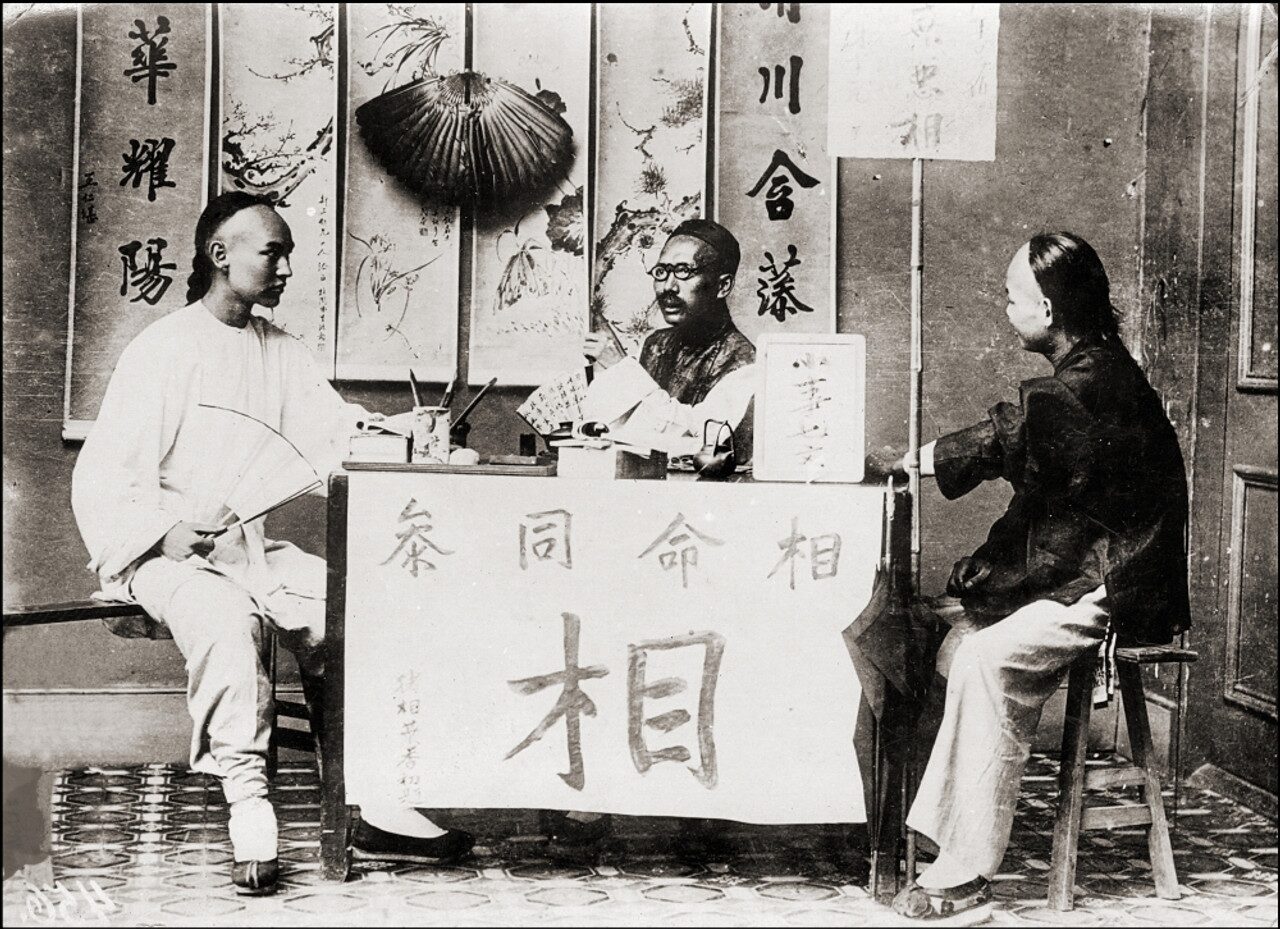
In China, anxiety over unemployment and instability is pushing young people toward online divination: from horoscope-reading apps to Artificial Intelligence dressed up as a tarot reader.
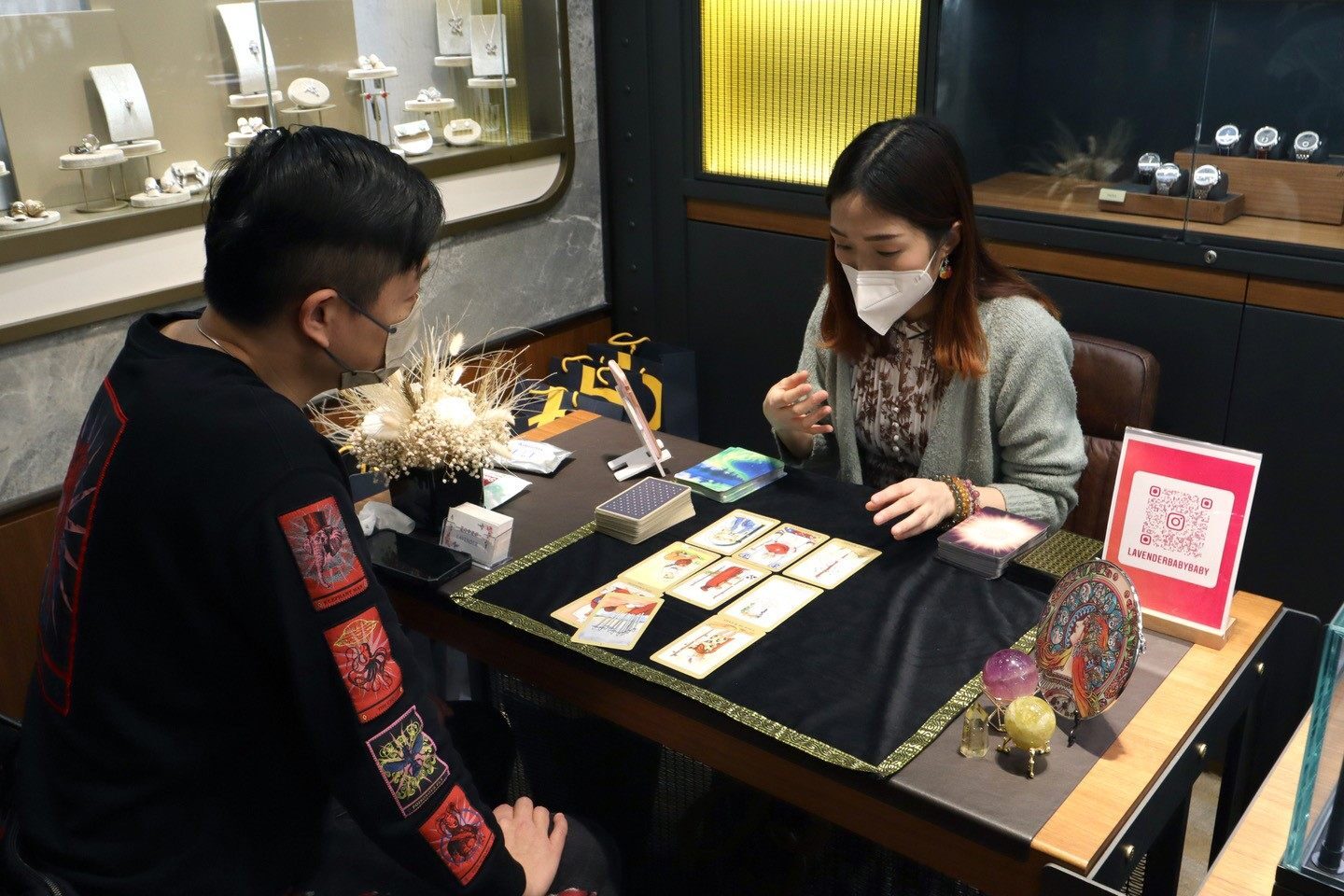
Passing an exam, finding love, becoming rich: even the most skeptical have, at least once, been curious about knowing their future. Divinatory arts have centuries-old roots in China, but today it is anxiety that drives many young Chinese to turn to spiritual and divinatory practices in search of answers and comfort in a relatively uncertain historical period. In China, where economic challenges and high unemployment loom large, young people are increasingly turning to online spiritual services for guidance—from apps where users can read their horoscopes to AI-powered tarot readers.
The phenomenon took shape especially after the January 10, 2025 launch of DeepSeek-R1, the Chinese AI chatbot competing with ChatGPT, which in February sparked more than two million posts on WeChat under the hashtag “DeepSeek fortune-telling.” Ancient divinatory practices such as Ba Zi, or the “Four Pillars of Destiny,” are now being digitally reinterpreted. Ba Zi is a traditional system that analyzes the date, time, and place of birth to assess the balance of the Five Elements (wood, fire, earth, metal, water) and generate predictions about one’s career, relationships, and financial luck. Today, you just input that data into DeepSeek, request an elemental analysis (fire, metal, earth…), and receive predictive narratives about your life in seconds.
I too tried asking DeepSeek about my future using a prompt suggested online:
“You are a BaZi master. Analyze my fate—describe my physical traits, key life events, and financial fortune. I am a (sex), born (date), at (time) in (where).”
The result is a summary describing past, present, and future, and offering fairly detailed descriptions of my appearance and personality. These types of predictions are rarely negative.
Today, such rituals combine algorithmic reassurance with cultural romanticism: the AI doesn’t offer miracles, but it sounds plausible and scientific—acting as a cognitive placebo that soothes anxiety, even if it lacks empirical rigor. The economic context—with a youth unemployment rate around 14.5% in June 2025 and one of the lowest GDP growth rates in decades—makes the search for control and meaning almost inevitable.
Many spiritual platforms emerge in digital secrecy or operate under the radar in the form of apps and online chats: mysticism occupies a delicate position in Chinese society and is not viewed favorably by the Party. Last year, state media reported that nearly 300 people had been prosecuted since 2018 for activities related to spiritualism, with some individuals sentenced to up to 17 years in prison. Still, psychics often find ways to circumvent the ban—sometimes advertising in English or using the crystal ball emoji to signal fortune-telling services. Despite this, many people continue to hold individual beliefs in Taoism, Buddhism, and other forms of spirituality, and praying to deities or ancestors for luck and guidance is common.
This cultural momentum has fueled an ecosystem of social tutorials on how to craft effective AI prompts, the sale of premium reports costing up to 2,888 yuan (about 400 dollars) per session, “lucky charm” promotions by influencers, and parallel apps modeled on DeepSeek for foreign markets—such as in the case of Fate Tell.
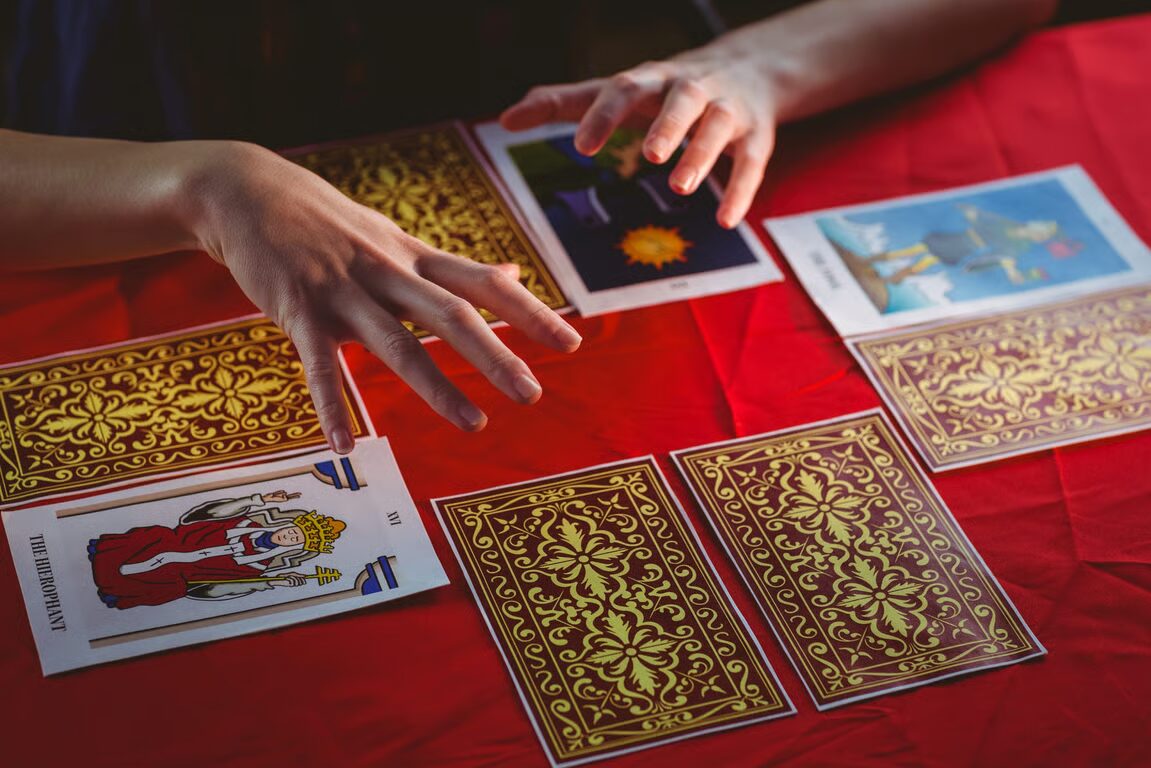
One of the most popular apps in China is Cece, which offers horoscopes, Chinese zodiac readings, and audio chats with “master” experts who interpret charts and offer advice on careers or relationships for just a few yuan per minute—easily moving from public services to more intimate digital voice clubs. In May 2025, active users on the app reached 2.57 million, a 36% increase from the same period in 2024.
Apps like Cece, while skirting the edge of superstition, aim to stay under the radar of censorship targeting spiritual practices, masking their names with symbols or English words to keep operating. The result is a paradox: a growing market shaped by anxious clients who waver between skepticism and fascination, finding in AI chatbots a temporary oasis of trust and meaning.
China scholar and photographer. After graduating in Chinese language from Ca’ Foscari University in Venice, Camilla lived in China from 2016 to 2020. In 2017, she began a master’s degree in Art History at the China Academy of Art in Hangzhou, taking an interest in archaeology and graduating in 2021 with a thesis on the Buddhist iconography of the Mogao caves in Dunhuang. Combining her passion for art and photography with the study of contemporary Chinese society, Camilla collaborates with several magazines and edits the Chinoiserie column for China Files.