


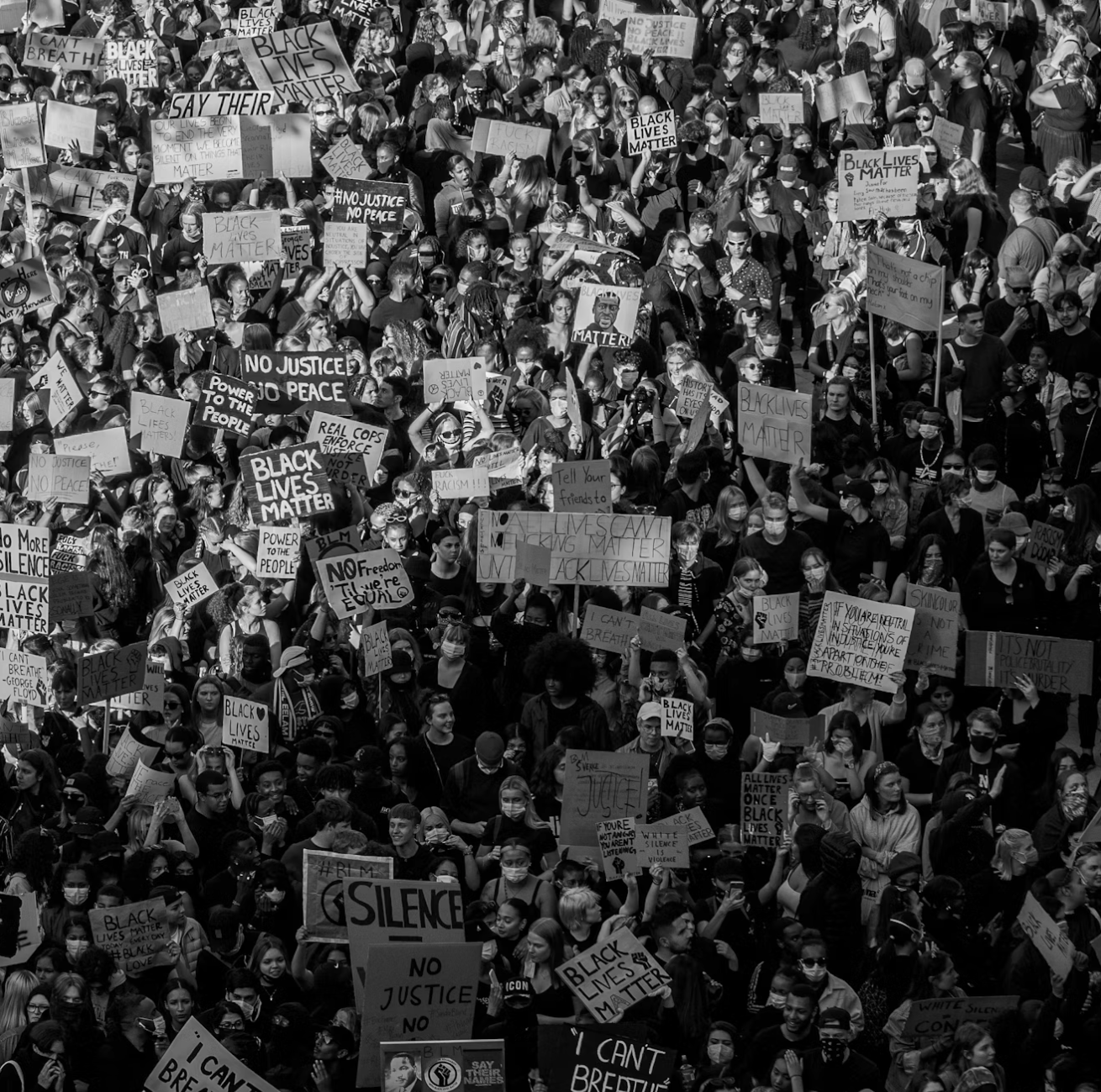
There was a time when taking to the streets meant showing your face. People armed themselves with signs and enthusiasm, convinced that being seen was the first essential step toward being heard. Today, however, showing your face literally means handing it over to a facial-recognition algorithm, crossing your fingers and hoping that whichever government database is on duty will take pity on you. Taking part in democratic life now entails a systemic risk: solidarity and political opposition are treated by the state—whether it is openly authoritarian or merely claims to be democratic—as a clandestine operation. To survive, protesters are forced to behave as though they were underground. And so we have arrived at one of the great paradoxes of our time: in order to make yourself heard, you must first learn how to hide.
We are not talking about dystopian science fiction, but about everyday reality. When dissent is turned into a flood of data ready for state analysis, the consequences are immediate. In the United States, activists and foreign students have found themselves forced to flee the country after being profiled by artificial intelligence and placed directly on immigration-agency blacklists. At the same time, federal agencies have no qualms about sending subpoenas to Big Tech companies to obtain the data of users who take part in demonstrations, casually sidestepping traditional legal safeguards.
Algorithmic surveillance is, ironically enough, frighteningly democratic in its global spread. If in Washington smartphone metadata are being combed through, in Tehran security forces useadvanced cameras and facial-recognition software to identify, track, and arrest anyone who dares to protest against the regime. Visibility, once the historic engine of social change, has now become a handicap in every sense. Researchers define this new paradigm as “self-shielded contention”: a historical phase in which the future—and even the survival—of protest depends entirely on the ability to evade the omnipresent digital eye.
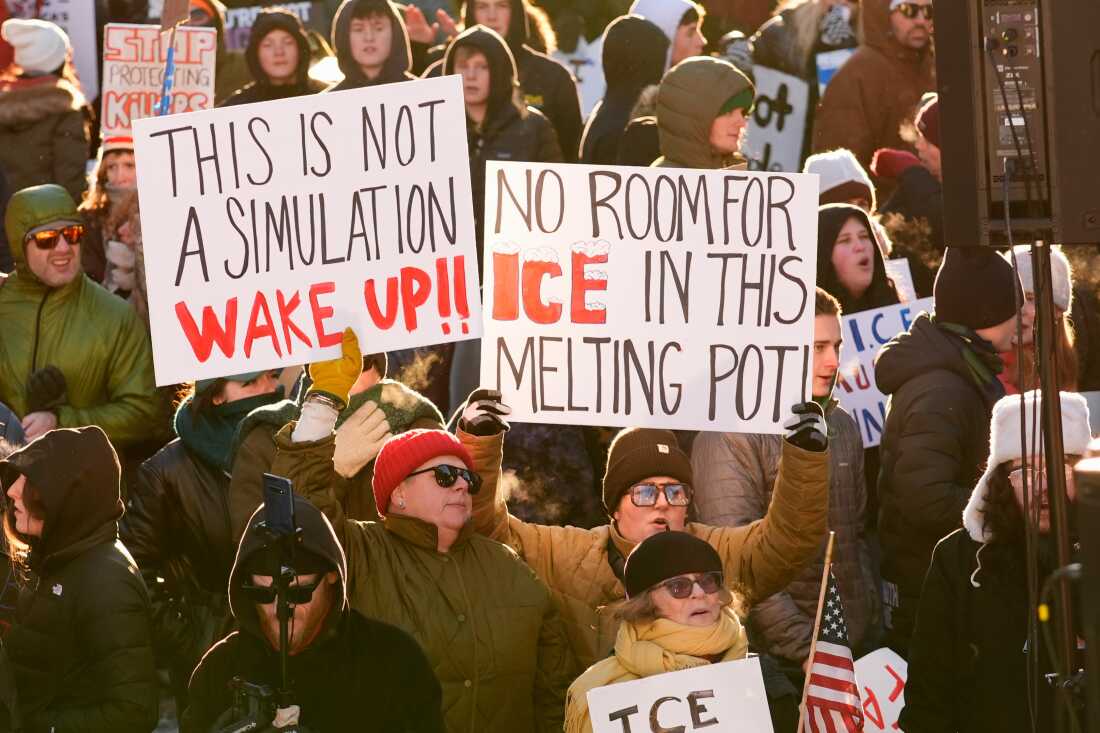
So how does one protest in an age when every step leaves an indelible digital footprint? The first shield to take up is technological invisibility. Bringing your personal smartphone to a march is the modern equivalent of voluntarily handing over your diary and your web history to the first police officer you come across. The main advice, then, is to use a burner phone or at the very least place your device in a Faraday cage—a special shielded pouch that blocks all radio, Wi-Fi, and GPS signals. Do not fool yourselves into thinking airplane mode is enough: countless apps silently record location data offline, ready to send it to their servers the moment they regain even the flimsiest connection.
If you do decide to bring your main smartphone with you, disable biometric unlocking immediately, whether fingerprint or facial recognition. In the event of detention, in many jurisdictions law-enforcement officers can physically force you to unlock it by holding it up to your face, whereas a strong alphanumeric password of at least eight characters is almost everywhere protected by the inalienable right not to incriminate yourself. Communications with other protesters should also take place exclusively on end-to-end encrypted apps such as Signal, always remembering to activate disappearing messages that automatically delete themselves after a few minutes.
Then there is the need to protect your biological hardware—your body. Surgical masks, scarves, caps pulled low over the forehead, and thick sunglasses are the bare minimum needed to deceive less sophisticated visual-surveillance systems. For more advanced ones, asymmetric makeup techniques and geometric hairstyles specifically designed to confuse artificial intelligences are becoming the new, stylish uniform of urban resistance. And finally, a simple open umbrella, besides shielding you from a sudden downpour, is also highly effective at deflecting the downward gaze of drones overhead.
Claiming one’s civil rights should never require a master’s degree in cybersecurity or counterintelligence tactics, yet there is no denying that the public square has now become an open-air panopticon. Those who govern it stopped listening to chants and reading banners long ago, preferring instead to focus on the mass collection of our metadata. To continue fighting for our rights in the light of day, the first rule must therefore be to defend our inalienable right to digital anonymity and privacy.
Alessandro Mancini