


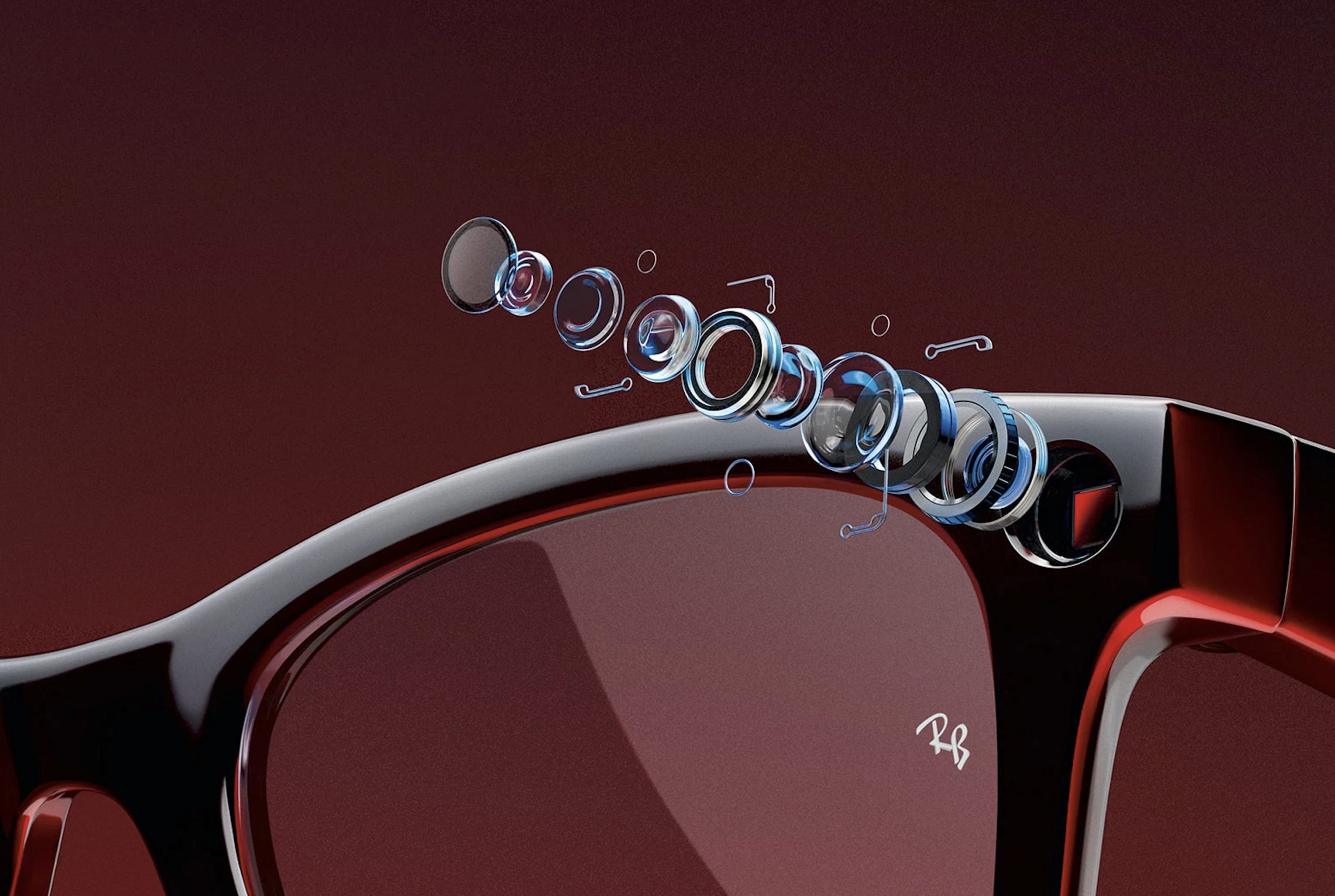
When Meta launched its smart glasses in collaboration with Ray-Ban and Oakley, the promise was tempting: a pair of glasses that can record, make calls, and interact with an integrated artificial intelligence system. What the company did not describe with the same emphasis, however, is who is really watching on the other side of the device.
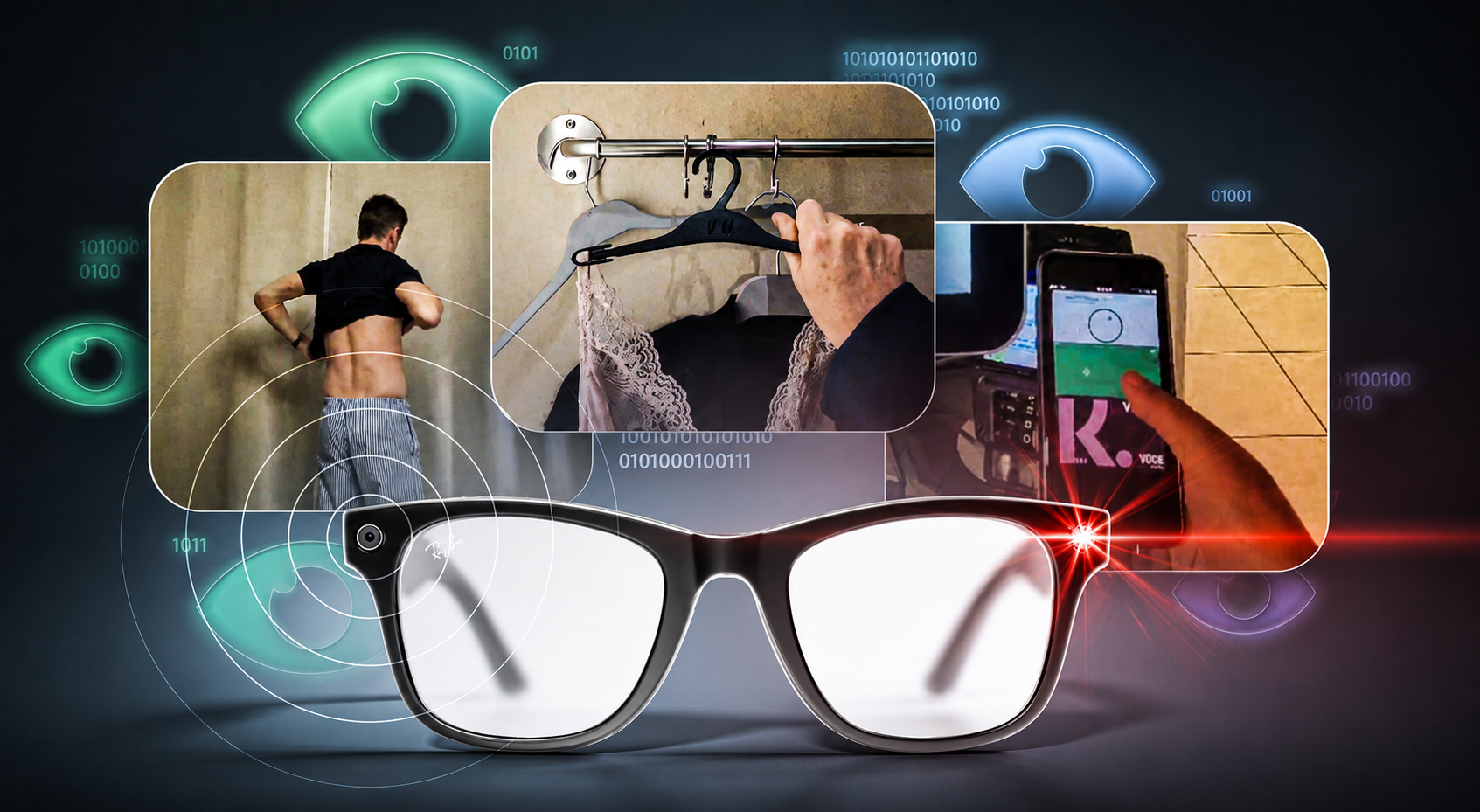
An investigation by the Swedish newspapers Svenska Dagbladet and Göteborgs-Posten revealed that videos recorded by users are reviewed by workers at Sama, a contracting company based in Nairobi, tasked with manually labeling the objects contained in the clips in order to train Meta’s AI systems. The reviewers interviewed said they had seen everything: people in bathrooms, sexual encounters, someone watching pornographic content, as well as transcripts of private conversations with the voice assistant.
When contacted by the BBC, Meta confirmed that it relies on “external collaborators” to improve the performance of its products, arguing that this practice is specified in its privacy policy, though without indicating where in the document human reviewers are mentioned. The company says the content is filtered to protect the privacy of the people recorded, while the workers contacted by the Swedish journalists say the opposite: the filters do not always work, and faces can sometimes be recognized.
Sama’s name, moreover, is not new to investigations of this kind. In 2023, it had already emerged that the same company had employed Kenyan workers paid less than two dollars an hour to moderate toxic content used to train ChatGPT. This is what researcher Mary L. Gray calls “ghost work”: the invisible labor that sustains the illusion of an autonomous, magical artificial intelligence.
The paradox is twofold. On one hand, there is a wearable device that, thanks to a small light on the frame, signals to people nearby that it is switched on, while most users do not imagine that the footage might be viewed by third-party eyes thousands of kilometers away. On the other, there are workers subjected to a mirror-image form of surveillance: Sama reviewers said they were not allowed to use their phones at work and were constantly monitored by cameras.
It is the usual chain of delegation running through the AI economy. A consumer in Berlin or Milan accepts terms of use they have not read; a worker in Nairobi, paid a few dollars, watches their most intimate moments to teach an algorithm to distinguish a sofa from a toilet. In between stands a multinational corporation that calls all of this “user experience.”
The problem is not simply smart glasses violating our privacy: we keep imagining AI as a depersonalized, fluid entity, when behind the screen there is always someone made of flesh and blood, watching and moderating what we see for a few coins a day.
Alessandro Mancini